


Today is St. Patrick’s day and I’d like to reflect some of the actual historical underpinnings of this holiday.
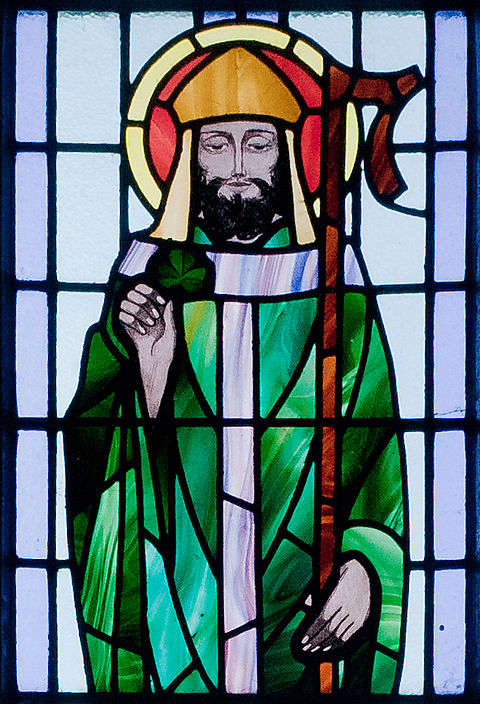
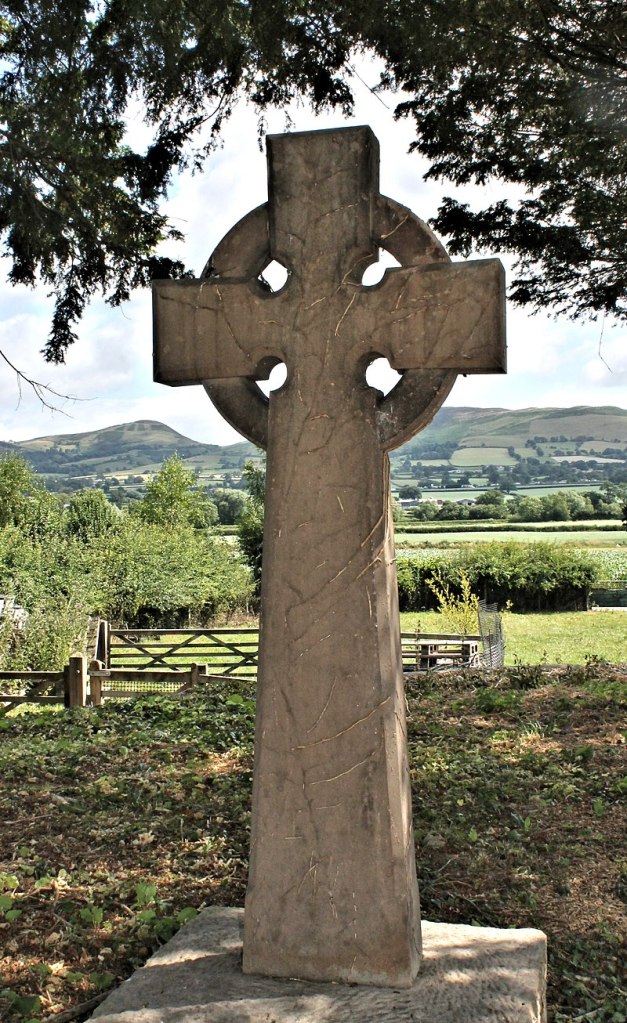
For one thing, Patrick was born in Britain, not Ireland, in the 5th century era of what is known as the Romano-British culture. He came from a relatively well off family (his father, Calpurnius, was a Decurian, that is a Senator and tax collector as well as being a Deacon). When he was around 16, he was abducted by Irish pirates and enslaved in Ireland for six years. He eventually escaped his captivity and travelled back to Britain and even studied on the European continent at Auxerre in the province of Gaul, and was consecrated as a bishop in Rome. When he returned to Ireland as a Christian missionary he assumed the Latin name of Patricius (“father of the people”) where he converted a lot of the pagan people to Christianity, using the shamrock symbol to explain the Trinity among other cultural links. But the legend that he introduced the Celtic Cross as a ways of merging the Christian cross with a pagan sun cross isn’t supported by archeological records, as it didn’t appear until later.
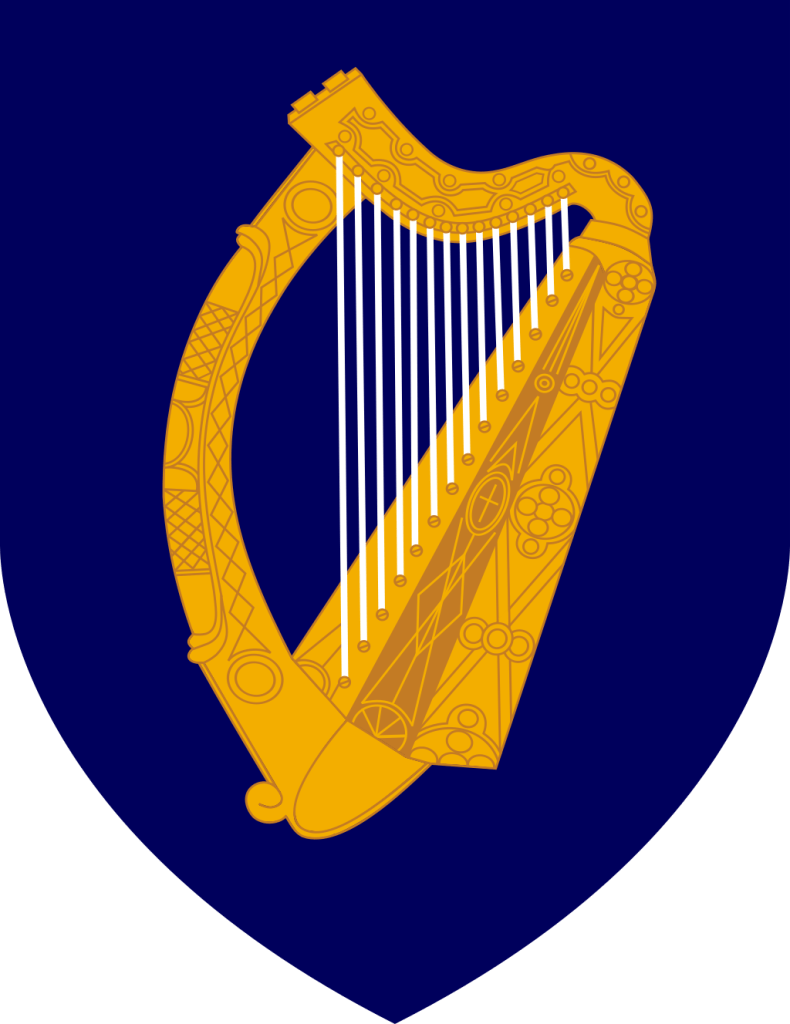
As for the official color of St. Patrick, there are several accounts, some saying blue and some saying green. But really it appears that these are later embellishments, with the English King Henry VIII establishing the Irish coat of arms as a golden harp upon a blue background in 1541 and the British King George III creating the Order of St. Patrick with its official color of “St. Patrick Blue” (essentially Sky Blue) in the 18th century.
Then with growing divide between Ireland and Britain, the color green and the shamrock became the symbolic representations of Irish identity. Source: https://www.smithsonianmag.com/arts-culture/should-st-patricks-day-be-blue-180954572/

 Munedawg Communications
Leave a comment