


Boris FX recently hosted a zoom call that streamed live on YouTube entitled: How to Edit an Avatar Film [Boris FX Live #52]: https://www.youtube.com/live/pfH_naBqcGU?feature=share featuring First Assistant Editor Justin Yates, Assistant Editor Ben Murphy, and Lead VFX Editor Justin Shaw from Avatar: The Way of Water, hosted by Ben Brownlee from Curious Turtle and Steve Hullfish from Art of the Cut.
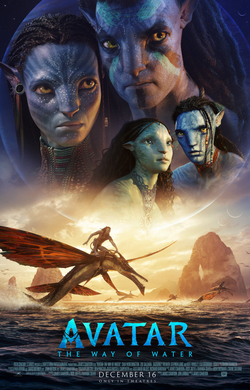
These guys described the elaborate shooting and post production process involved in realizing James Cameron’s sci-if cinematic vision. In this second installment of the franchise, they had to integrate a workflow that included live action, motion/performance capture, underwater motion/performance capture, CGI renders, and Cameron’s unique technique of using a virtual camera to shoot and direct a VFX heavy film. And as the zoom call reveals, editorial is involved at essentially every stage of the production and post-production process. Initial shooting was on what were known as “volume stages” which allowed the crew to film the actors performances and facial expressions to be mapped onto the digital characters.
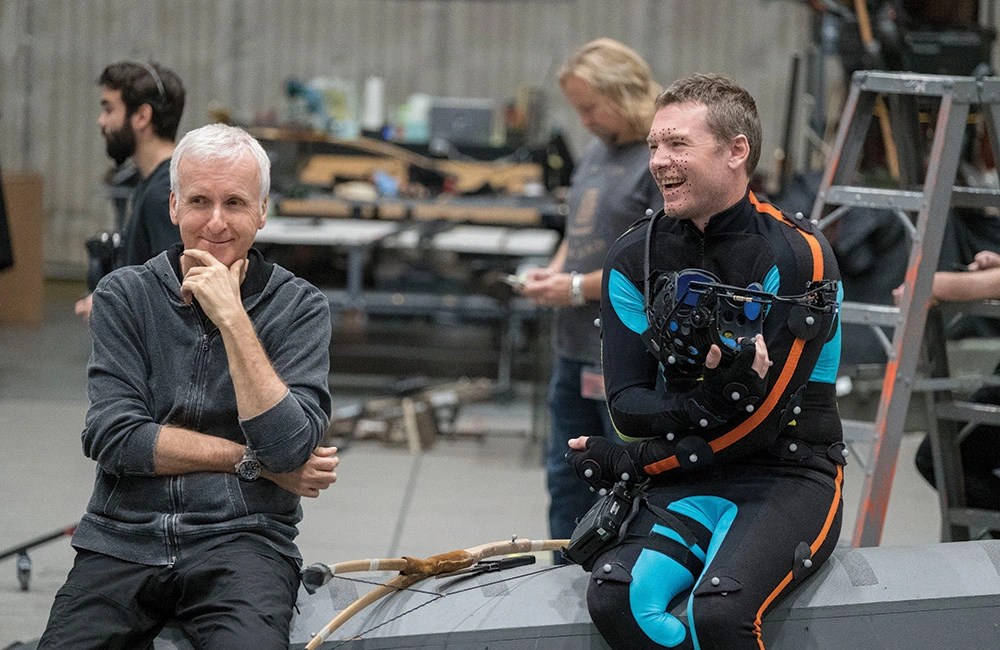
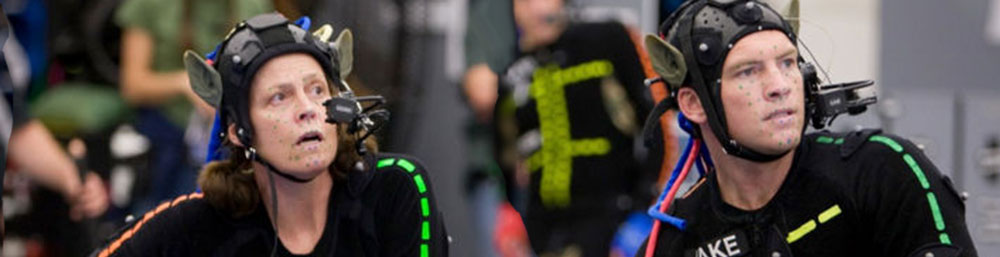
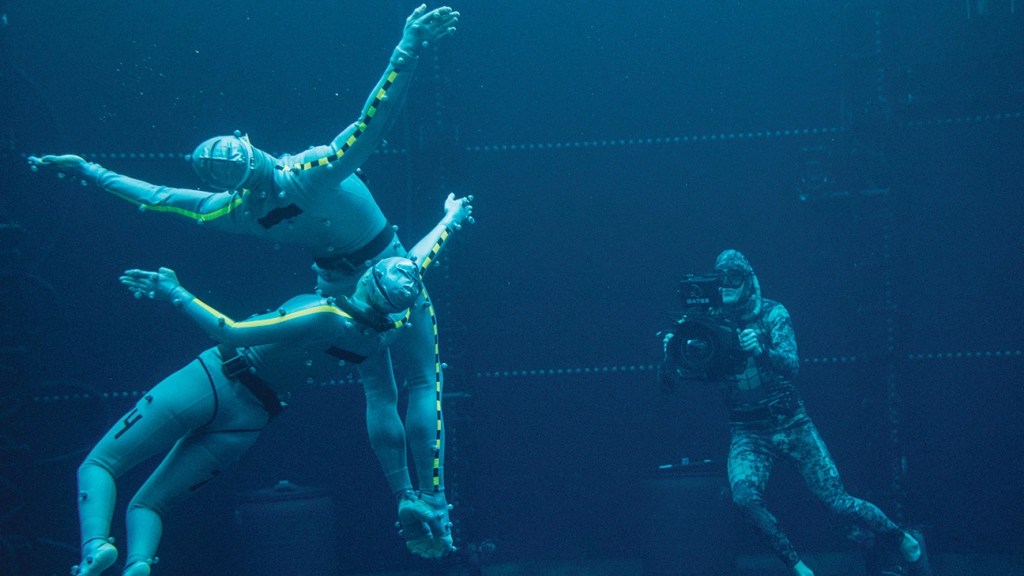
These included a large soundstage space as well as a huge tank for capturing the actors underwater in order to create realistic swimming effects for the Weta VFX team.
At this stage, Cameron was able to focus on the actors’ performances and stage action, just like in a normal live action film. The editorial team then prepared what were known as camera loads that were layered in the Avid timelines, even involving 99 tracks (!) so that Cameron and the editors could create a virtual 360 degree Pandora that Cameron could then shoot on an essentially empty volume stage as if he were actually there and frame the shots as he would normally. They then shot the live action sequences in California and New Zealand which would also feature CGI integration in that the action sometimes was pre-planned with a CGI “stand-in” for a live action character so that the blocking was already figured out. And all this was shot on so-called native 3D cameras which allowed the 3D to be done in in shooting rather than in post.
Then of course Cameron and editors Stephen Rivkin, David Brenner, and John Refoua did the final picture lock edit and then sound, etc.
This whole discussion is fascinating to me because I had essentially moved from editing to VFX (compositing), but I am seeing that in films like these the lines have totally blurred.
 Munedawg Communications
Leave a comment