


NASA is going back to the Moon in a big way with the Artemis robotic and human exploration program, with partners: the European Space Agency (ESA), the Japan Aerospace Exploration Agency (JAXA), and the Canadian Space Agency (CSA).
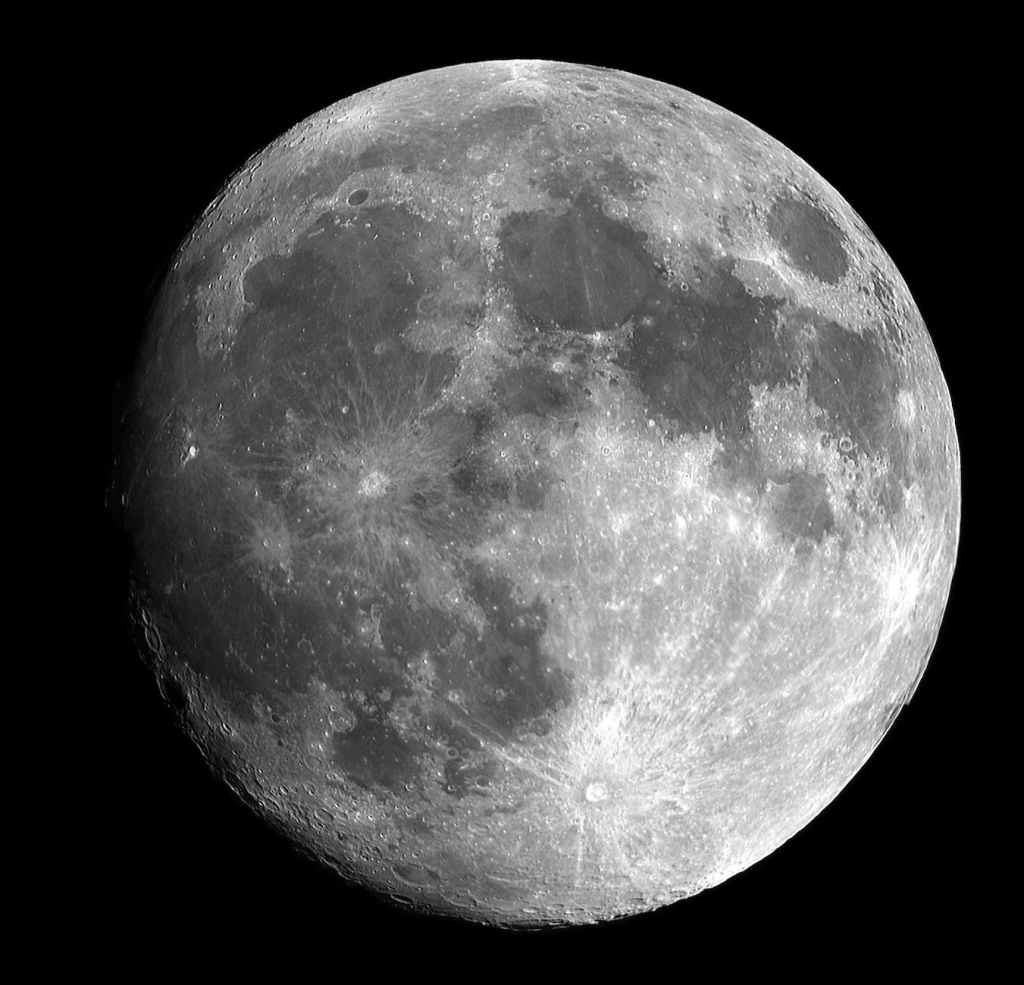

Using a clever naming scheme it is of course the successor to the Apollo program. In Greek mythology Artemis is the sister of Apollo and a Moon deity, along with Selene and Hecate. And also, the Orion spacecraft, which is the modern equivalent of the Apollo Command Module (CM) and Service Module (SM), is a reference to the Greek giant huntsman Orion who was a lover of Artemis.
Actually what strikes me in this new endeavor to land humans on the Moon is that it is probably the more logical way of doing things. As Tom Wolfe in the The Right Stuff and Mike Gray in Angle of Attack: Harrison Storms and the Race to the Moon vividly point out that that the U.S. was initially was pursuing a logical pace of space exploration but veered off into a shorter, i.e., more political course.

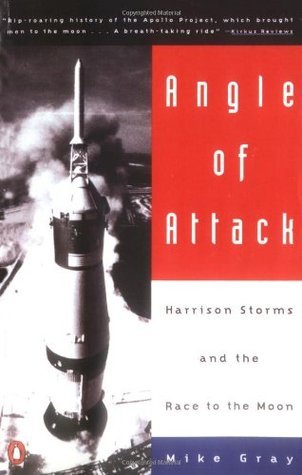
Specifically, there was the X-15 spaceplane which debuted in 1959 with 13 flights which met the Air Force spaceflight criterion by exceeding the altitude of 50 miles (80 km) and 2 met the FAI (Fédération Aéronautique Internationale) definition 62 miles (100 km) of outer space, the so-called Kármán Line. But when the outline of the Apollo program was first conceived, lead aerospace engineer Wernher von Braun and other NASA scientists had said that essentially yes, you could do a what is essentially a crash program which became the Saturn V, etc., but it would be a one-shot deal. And as both Wolfe and Gray outlined, if the U.S. instead pursued a slower, sober approach, they probably wouldn’t have landed men on the Moon in 1969 but would have had a more logical total infrastructure with space stations, space shuttles, and lunar bases intact by the 1980s. Sure, hindsight is 20-20, but it does seem to make sense when looking at U.S. manned spaceflight in the coming decades when you first had a space station (Skylab), then a transport system (Space Shuttle) but not a coherent plan to integrate them. And my dad actually worked on Apollo, which was a brilliant technological achievement at the time but when you look at it now maybe the effort was for the wrong reasons. There was a “race for the Moon”, but what was the damned hurry? Obviously, it is now 2023 and the Russians still haven’t landed cosmonauts on the Moon.
The Artemis program at least seems to be a more thought out approach:
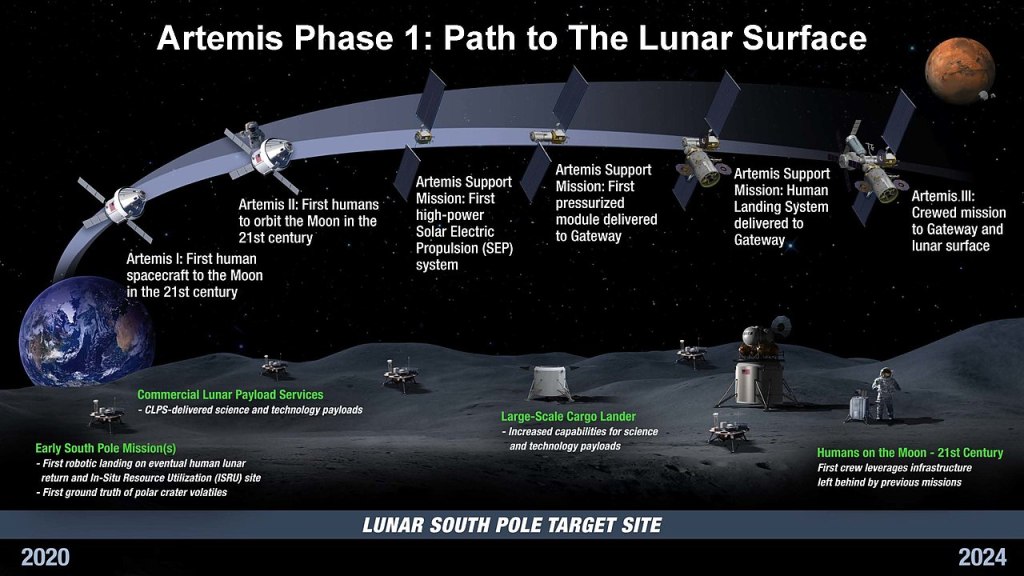
In which robotic landers first scout out the lunar South Pole, then a lunar Gateway space station is placed in orbit around the Moon, then cargo landers deliver supplies to the lunar surface, with not only the goal of humans visiting the Moon but eventually establishing a permanent base there. And the plan to land at the lunar South Pole makes sense since it has ice resources.
These initial missions are based on the NASA Space Launch System (SLS) rocket. The first, Artemis I in November 2022, was a complete success. The unmanned capsule completed an orbit around the Moon and splash-downed safely on the Earth. The 2nd mission, Artemis II, is going to be essentially a repeat of Apollo 8 where a human crew of 4 will pilot the Orion spacecraft around the Moon. Artemis III will be the mission that (finally) brings humans back to the surface of the Moon in 2025, 53 years after the last Apollo mission.
For an even more long term plan, in The Millennial Project: Colonizing the Galaxy in Eight Easy Steps book, Marshall T. Savage outlines a lunar colony in the Avallon chapter in which he describes building lunar domes in the craters of the Moon using a water shield to project against radiation and putting massive mirrors in the lunar L1 and L2 halo orbits to compensate for the 2 week long lunar night.

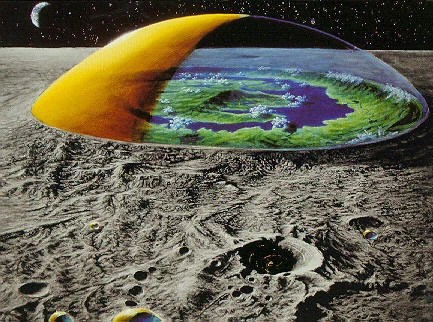
Actually when I first read the book I was totally blown away with it. But then I realized that although Savage has some really good ideas, he also has some terrible ones and you sort of have to cherry pick through the concepts (he even has the notion of using a mass driver to launch people into space which would undoubtedly crush them to death!). Stuff like the idea of using elastic spacesuits similar to the suits that Olympic skaters wear instead of standard NASA pressure suits is actually a good idea. But he then goes on to dismiss the idea of creating artificial gravity with rotating space stations and plans to combat muscle and bone loss in zero-G bubble space stations with electro-stimulation! I suppose you have to expect that in a tome that promises “colonizing the galaxy in eight easy steps.” But I think he has the right idea about the lunar domes with vegetation in that it shows that people might want to live on the Moon in such a scenario as opposed to living in “aluminum can” habitats.
Then in the Elysium chapter he outlines a plan to terraform Mars. I don’t know, but the so-called Millennial Foundation based on the book, published in 1994, hasn’t really achieved anything other than maintaining a website. Which brings us to Elon Musk and SpaceX, which of course actually have achieved space travel goals. Musk has recently stated that he thinks humans will first land on Mars in 2029, pushing his timeline ahead of what he was projecting. And the recent Starship test flight that ended in an explosion shows that a lot of work still needs to be done. Typical of Musk and the SpaceX culture, the launch was considered a “successful failure” with the rocket achieving a height of 24 miles (39 km) before it went into a tumble and self-destructed for safety reasons. Among the problems were Raptor engines that failed to fire and the stage separation that didn’t happen, as well as a bigger destruction of the launchpad than was anticipated. Musk also compared the launch to the many tests of the Falcon rockets before a lot of engineering problems were ironed out.
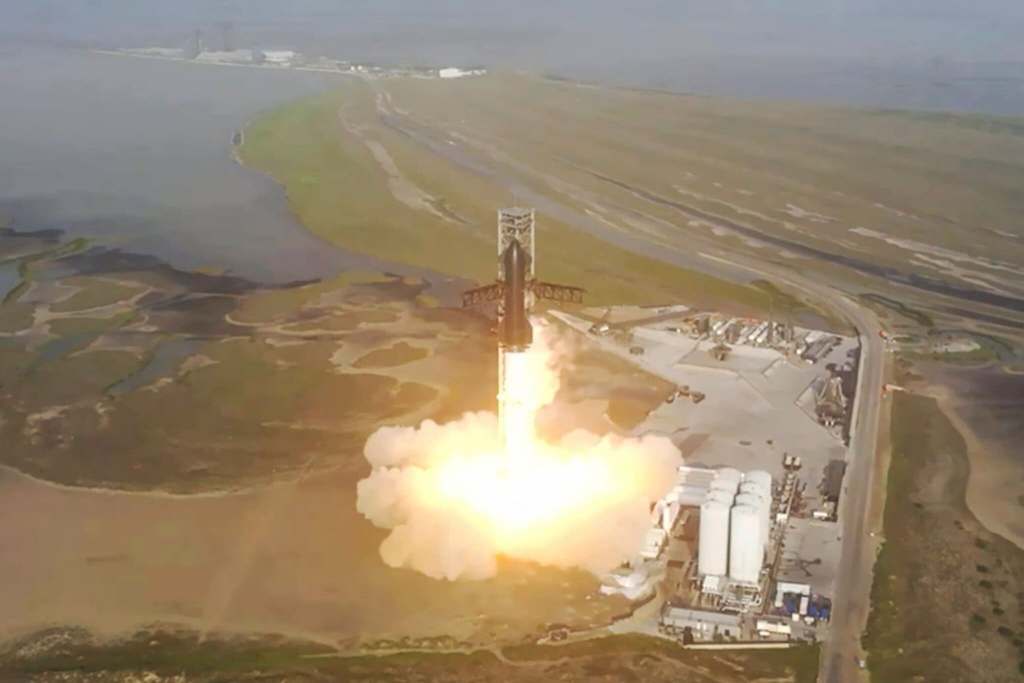
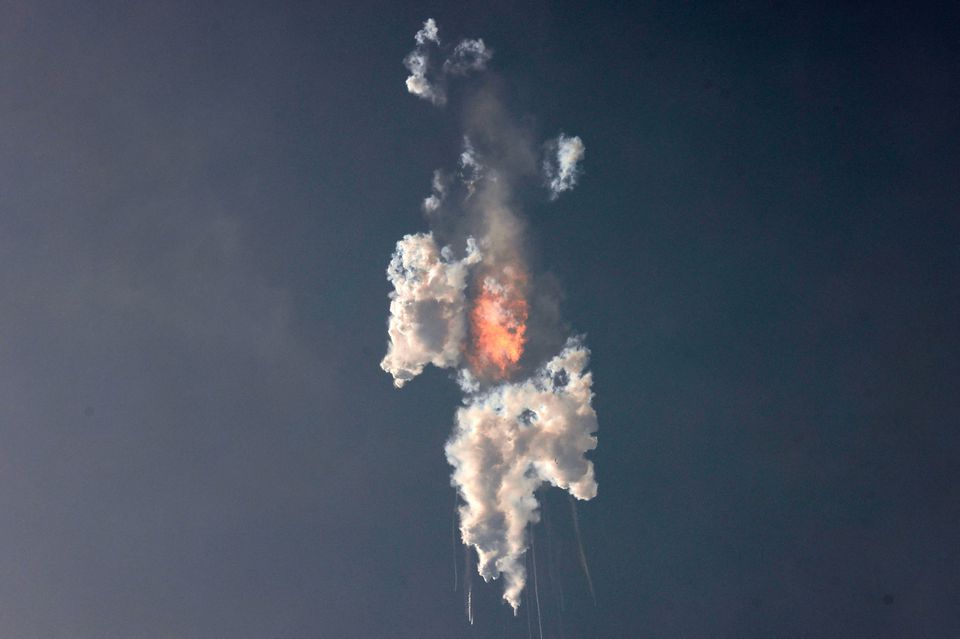
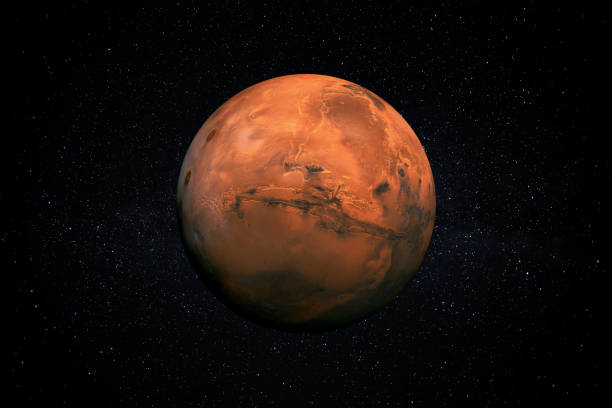
At least Musk and SpaceX have what seems to be a workable plan to get to the red planet, although their vision actually is as grandiose as Savage’s. In the Millennial Project, Savage talks of terraforming the Martian climate by “just” diverting comets to crash on the surface to bring water vapor to the world and instigate a greenhouse effect as well as increasing atmospheric pressure. He even claims that “conditions on Mars are so hospitable that Earth-life could persist there, unsupported, even now.” Hardly. Mars has an atmosphere about 2% of the Earth, an average temperature of -80 degrees Fahrenheit, with 43% of Earth’s sunlight, no magnetosphere, no ozone layer, and toxic perchlorates in some of the Martian soil.
And on the SpaceX website it asks “Why Mars?” and offers the following explanation:
“At an average distance of 140 million miles, Mars is one of Earth’s closest habitable neighbors. Mars is about half again as far from the Sun as Earth is, so it still has decent sunlight. It is a little cold, but we can warm it up. Its atmosphere is primarily CO2 with some nitrogen and argon and a few other trace elements, which means that we can grow plants on Mars just by compressing the atmosphere. Gravity on Mars is about 38% of that of Earth, so you would be able to lift heavy things and bound around. Furthermore, the day is remarkably close to that of Earth.”
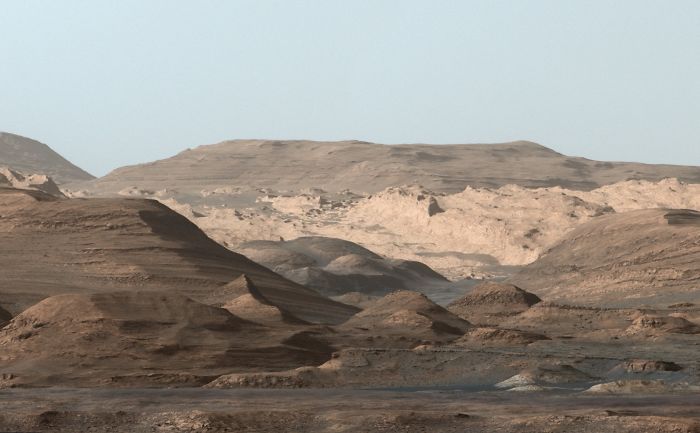
I love the “just by compressing the atmosphere” bit, making it seem like the whole thing will be a walk in the park. To me some of these notions are far-fetched in that we still can’t control the weather here on the Earth, never mind Mars. And I think that people sometimes get a false sense of the feasibility of living on Mars because of all the wonderful imagery from the Mars rovers, etc.


As astrophysicist Neil deGrasse Tyson has remarked, Antarctica is more suitable for human habitation but you don’t see people lining up to live there. But who knows? I think Elon Musk’s vision and determination may be the impetus that at least sets the stage for a greater human presence in the Solar System, although settlements like the proposed Nüwa City (https://spacearchitect.org/portfolio-item/nuwa-martian-city/) are undoubtedly a long ways off.
 Munedawg Communications
Leave a comment