


Back in 2016, the Museum of Fine Arts Boston created the exhibition Megacities Asia (it’s funny, at the time I thought it was a traveling exhibition but I’ve come to learn that it was actually created by the MFA).
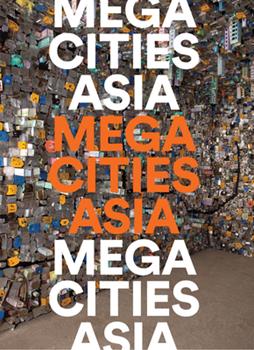
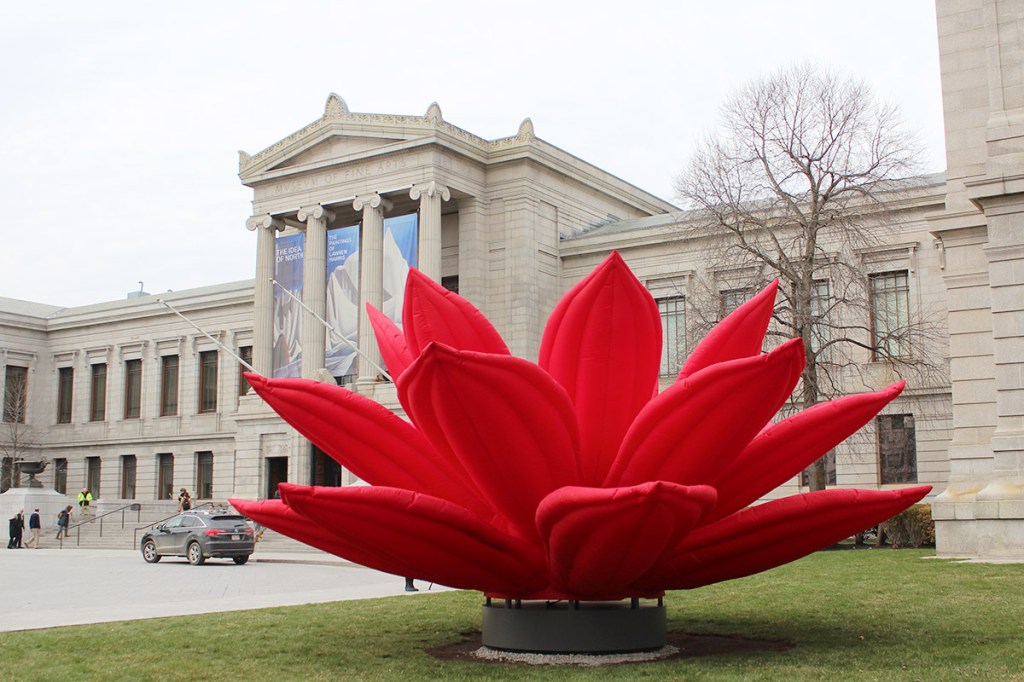
A “megacity” is one in which has over 10 million people; in Asia these include Beijing, China (20.9 mil), Shanghai, China (40 mil), Mumbai, India (26.6 mil), Delhi, India (33.4 mil), and Seoul, Korea (24.9 mil). 11 artists from these metropolises were featured in this amazing exhibition. We were first greeted at the museum by Korean artist Choi Jeong Hwa’s Breathing Flower sculpture, and addition to the main gallery space the exhibition had various installations throughout the museum, each containing objects and imagery from the artists’ daily lives.
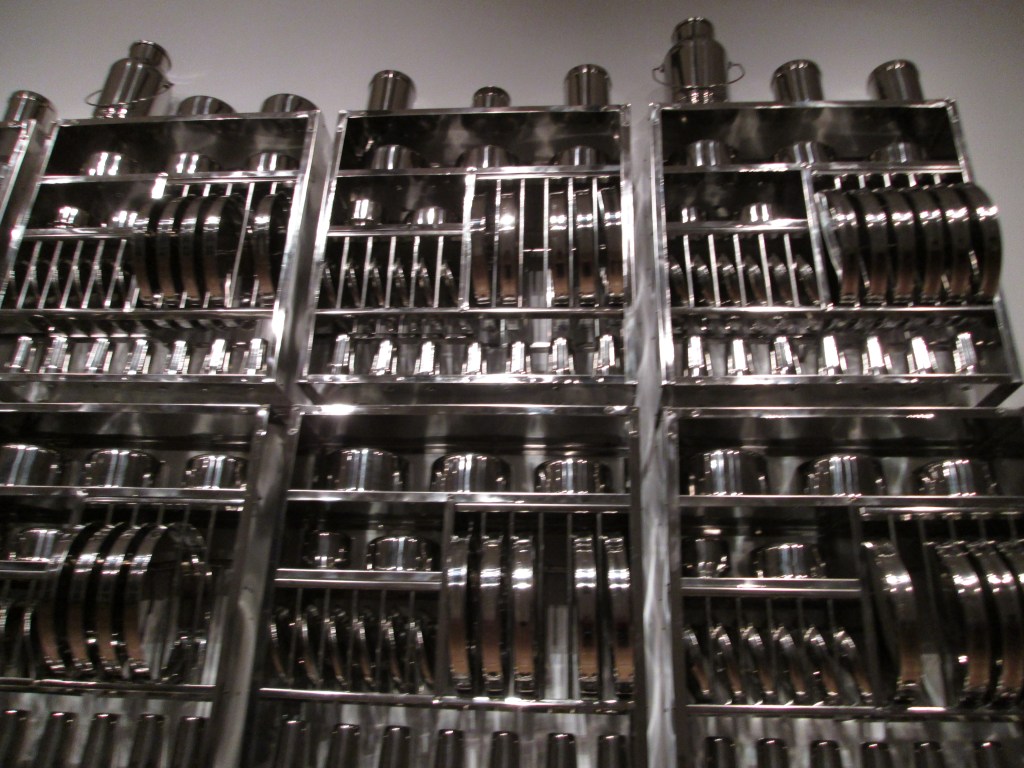
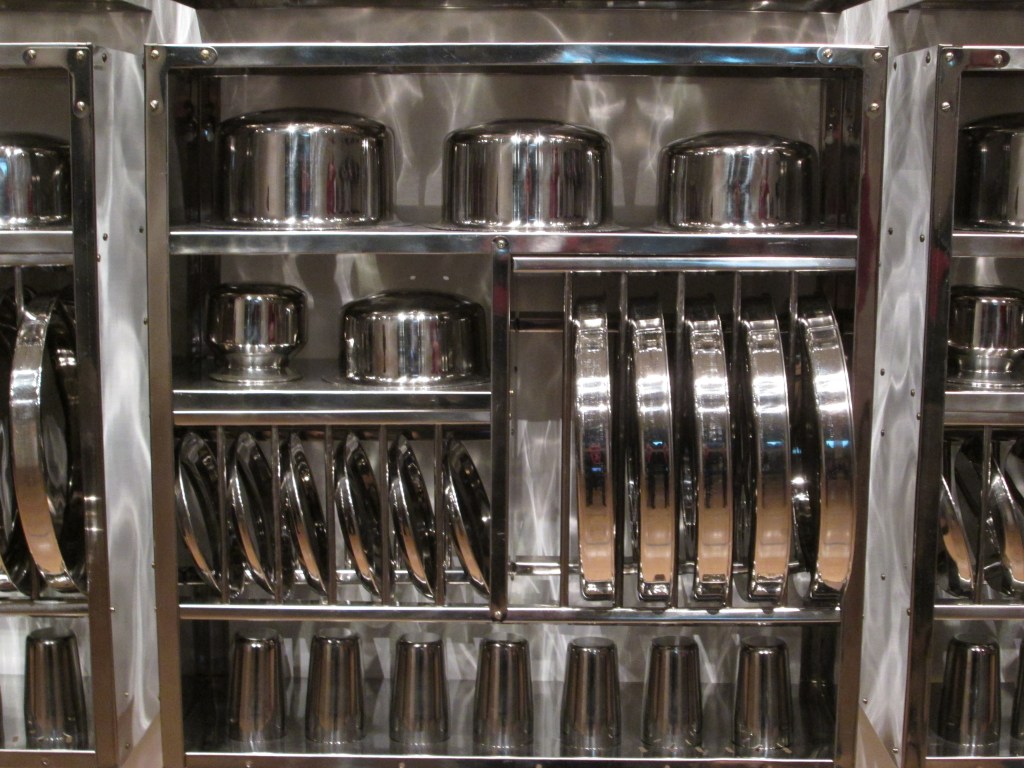
Down a flight of steps to the Gund Gallery, you came face to face with Delhi artist Subodh Gupta’s amazing Take off your shoes and wash your hands sculpture created from kitchen items found in urban Indian kitchens.

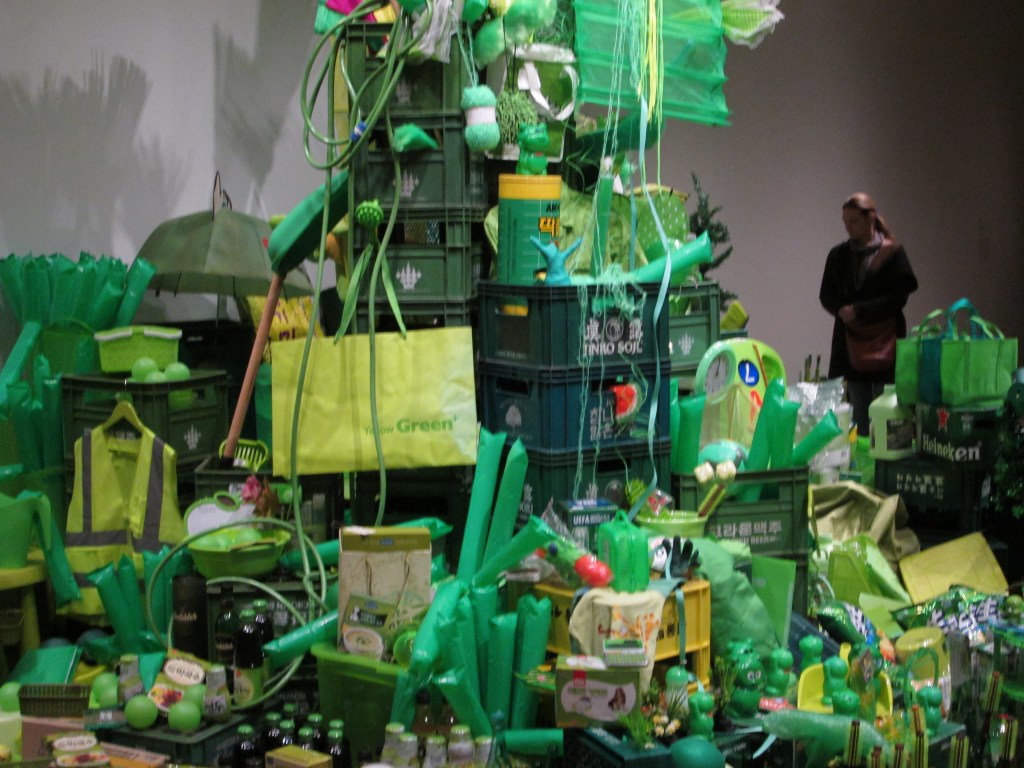
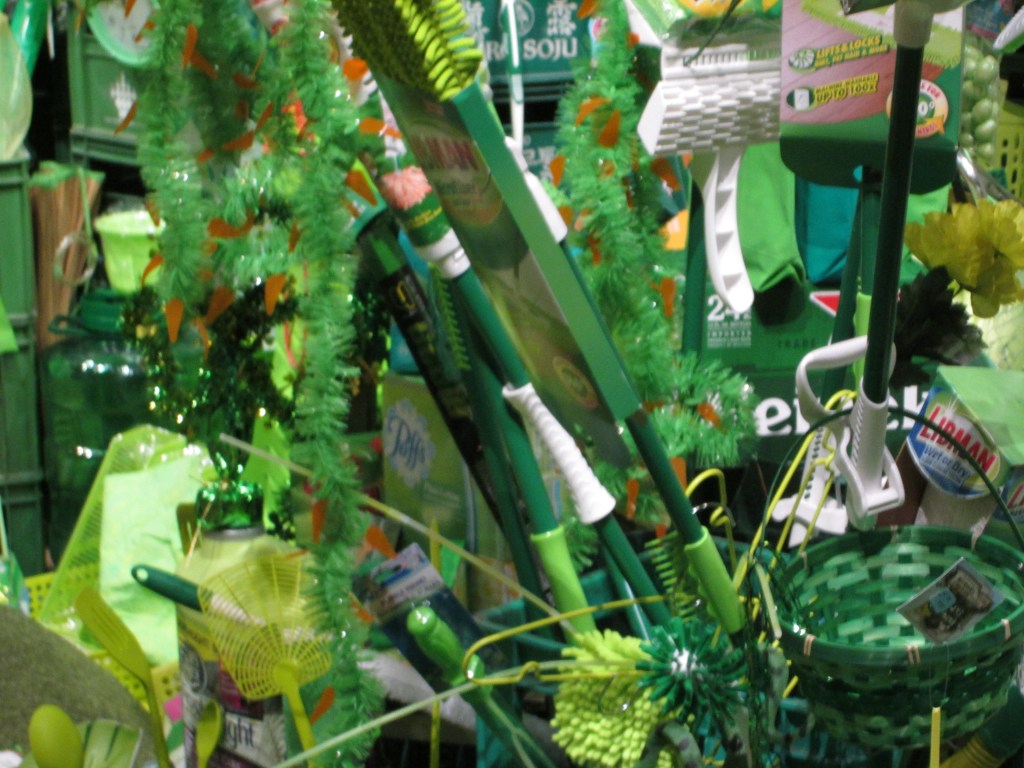
Equally eye-catching was Seoul artist Han Seok Hyun’s Super-Natural, which used the juxtaposition of so-called “green-products” in a colorful display.

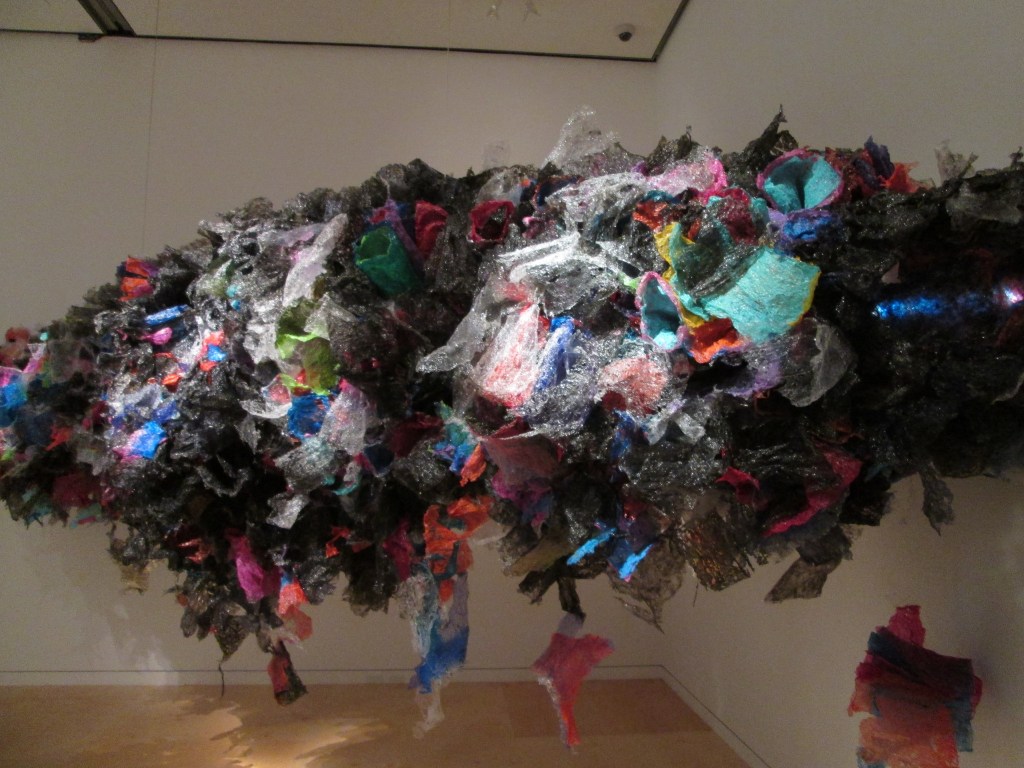
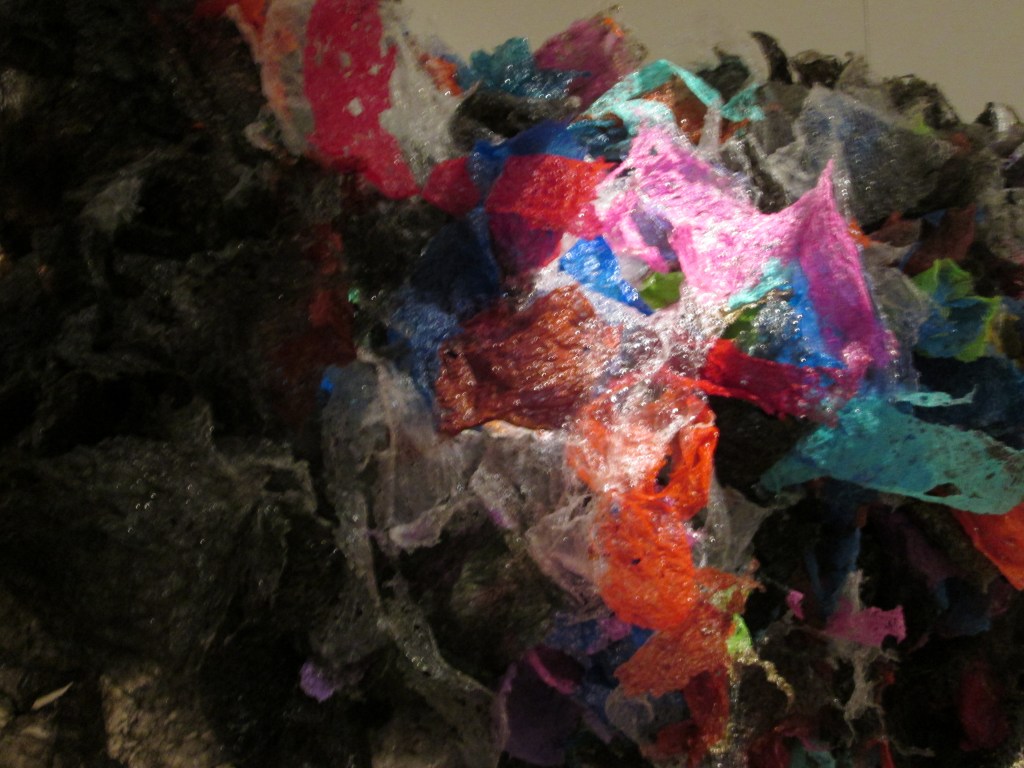
Mumbai’s Aaditi Joshi created a sculpture (untitled) out of plastic bags, as a comment on the proliferation of them in urban India but also to create a thing of beauty.
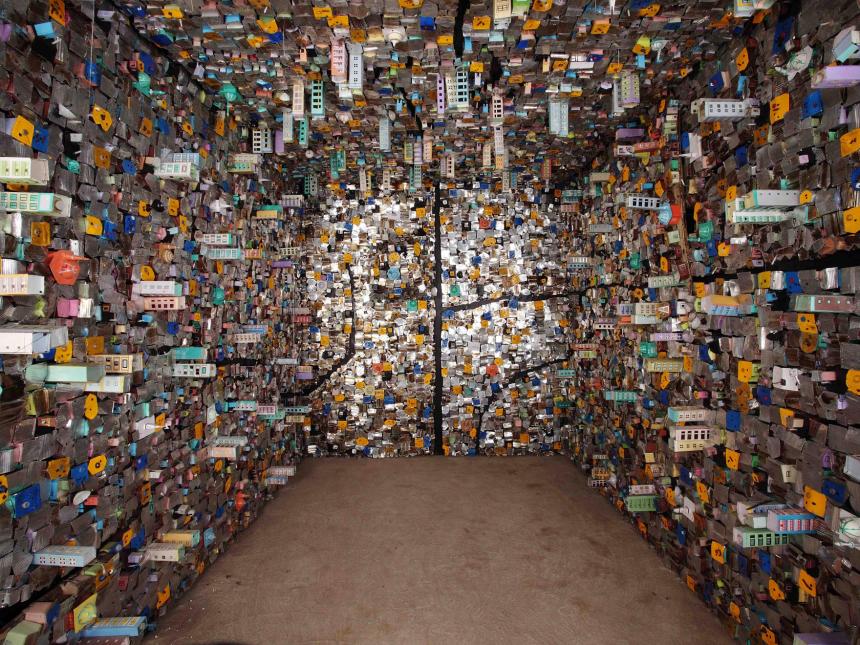
Mumbai’s Hema Upadhyay had two works on display, 8′ x 12′, which is the dimensions of a typical dwelling in Dharavi, the city’s largest slum. Walking inside the installation you saw birds-eye views of Mumbai created out of the very materials that Dharavi residents use to construct their homes, including aluminum and car scraps, emphasizing both the constrictions and expansiveness of the megacity.
In her other work on display, Build me a nest so I can rest, 300 terra cotta birds, some created by craftsmen and some by Uphadaya herself carry typed quotations about migrants’ hopes and experiences in their beaks, reflecting the artist’s own journey from a smaller city to Mumbai. (And I’m so stupid that at the time I thought that they were real, stuffed birds, but that is how life-like they look!)

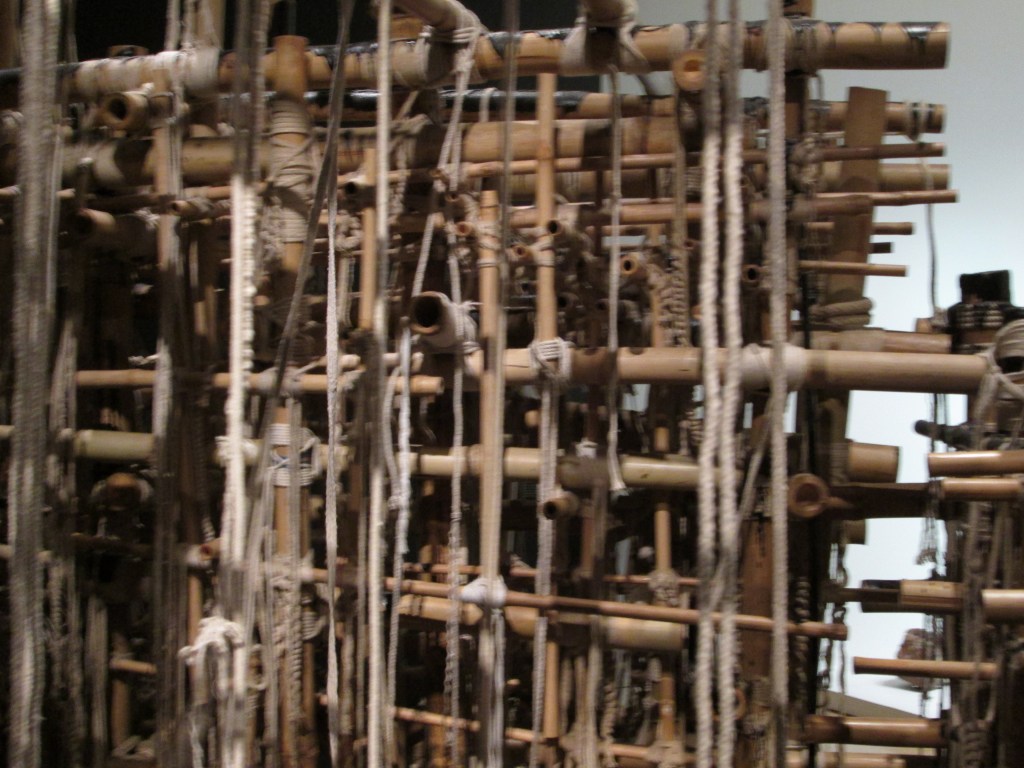
Delhi’s Asim Waqif demonstrated traditional building techniques and materials like bamboo and rope in Venu, as a contrast to all the newer construction he sees in the city using modern materials.
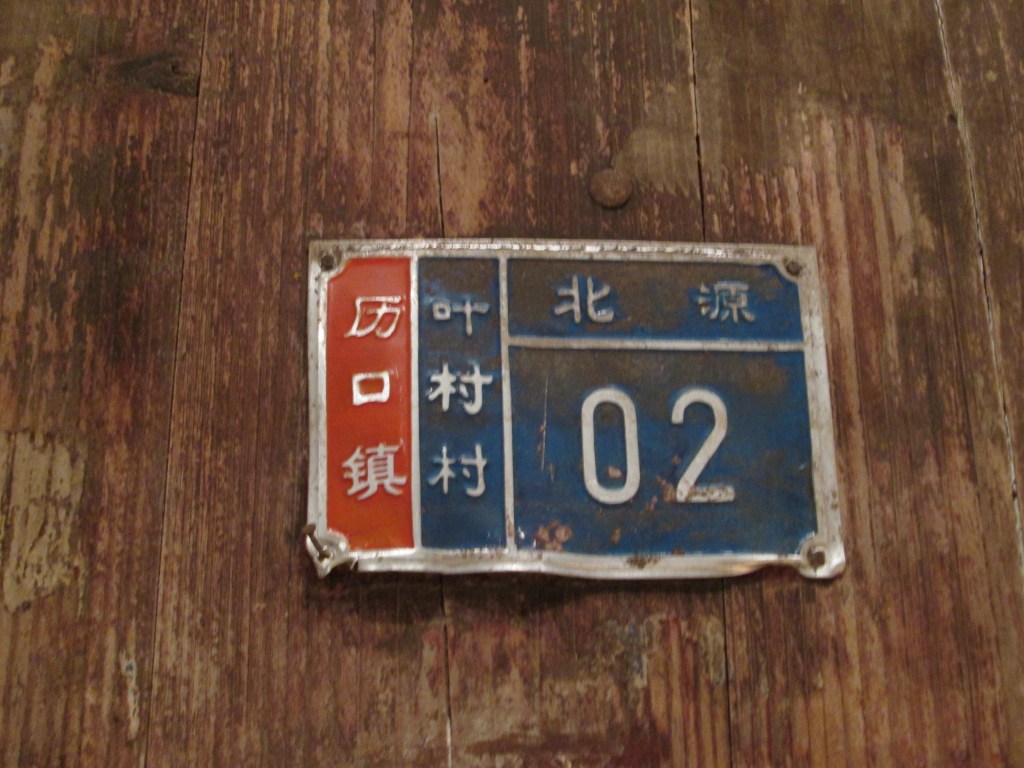
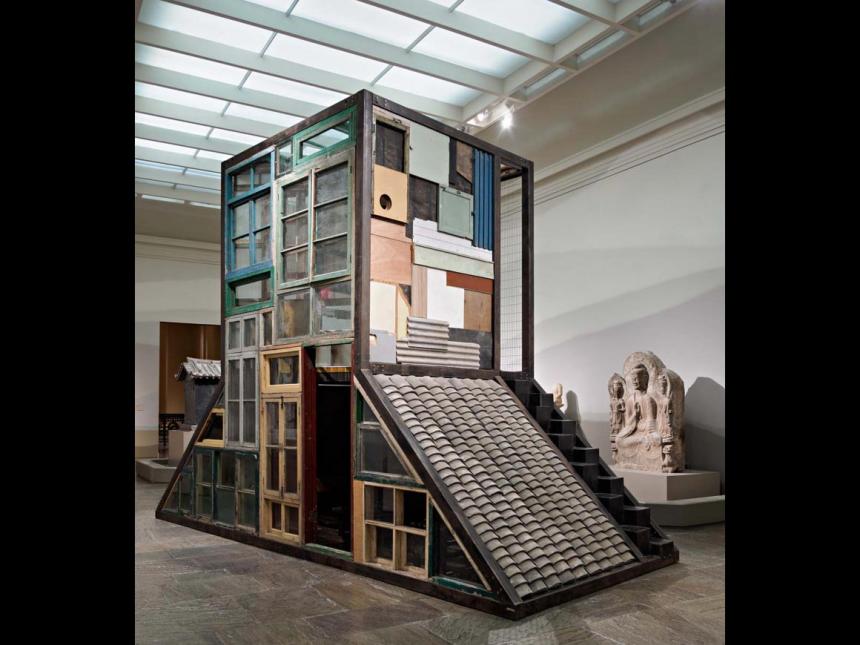
Shanghai’s Hu Xiangcheng scavenged materials like windows and doors from dismantled houses from the Ming (1368–1644) and Qing (1644–1911) eras, using them to erect shelves, rooms and even sequences of building-size structures in Doors Away from Home—Doors Back Home.
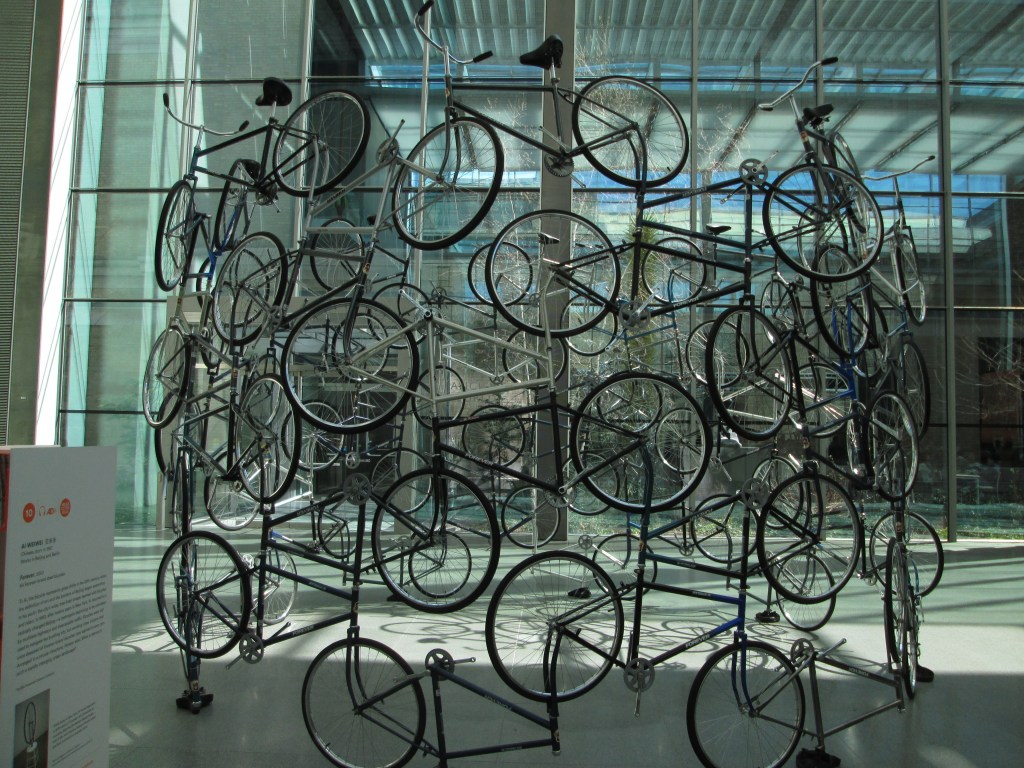
Then in the Shapiro Family Courtyard, I saw Ai Weiwei’s Forever sculpture, created from 64 Forever bicycles, that were once the mainstay of Beijing transportation, which have now been transplanted by the car. I also got something tasty to eat at the New American Café, which I would recommend to any visitor to the museum.

Then outside the gift shop, in the Cohen Galleria, was Ai’s Snake Ceiling, which (although I didn’t realize at the time) is made from children’s backpacks. And at the time I thought it was rather neat, reminding me of the “Mara” snake at the end of the Doctor Who story “Kinda”, but actually he made it in commemoration of the more than 5,000 children killed in 2008 in Sichuan Province in a major earthquake due to poorly constructed school buildings, “with the twisting, serpentine form of the piece, mounted to the ceiling is meant to evoke a stream of children walking to school, hand in hand”.

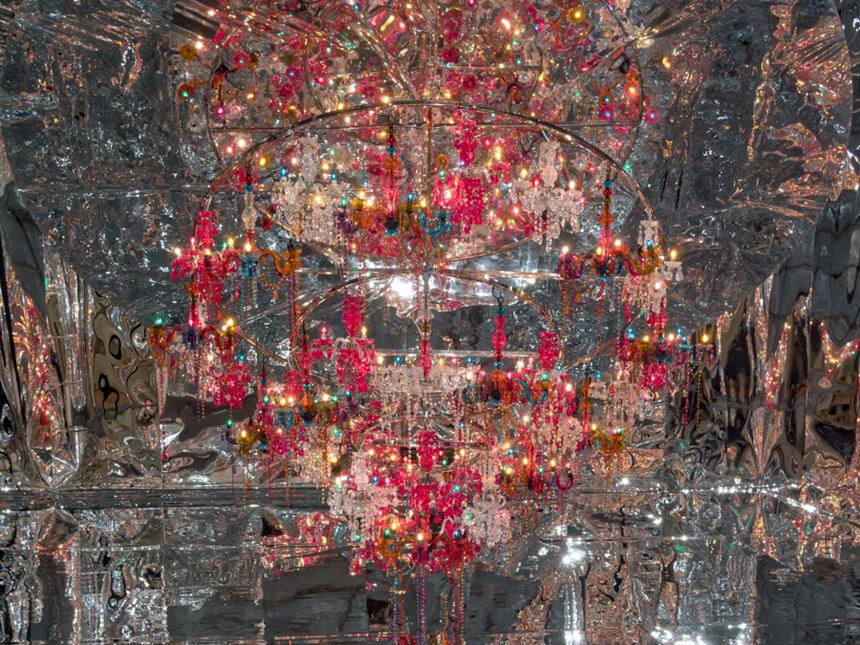
Actually I had missed seeing Choi Jeong Hwa’s Chaosmos Mandala, which is a shame because it looks and is described as pretty spectacular: “The room-sized installation in the Asian Paintings Gallery presents an artificial seascape with a mirror-covered floor, walls and ceiling, as well as a plastic, multicolored chandelier in constant motion that represents the celestial realm. Every element is multi-faceted, and each reflects all of the others. Visitors are invited to sit in a chair and take pictures, becoming part of the landscape themselves.”
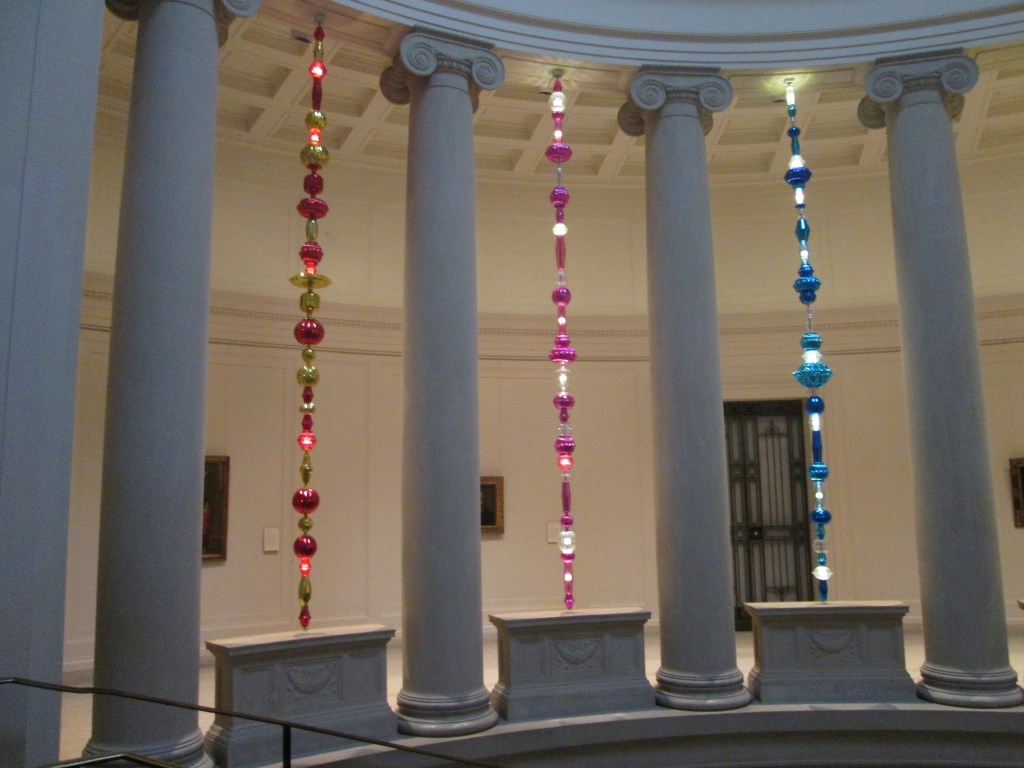
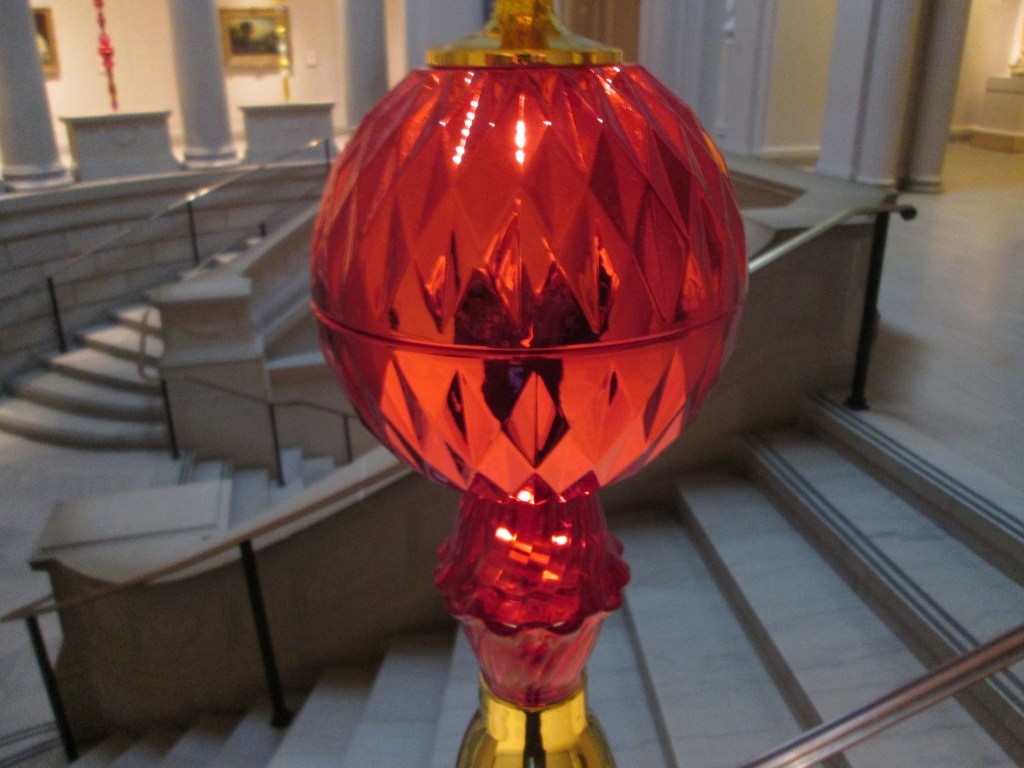
But did see his Alchemy in the Hemicycle Staircase location, in which he used stacks of plastic containers and dishes lit by LEDS to create fabulous hanging vertical chandeliers.
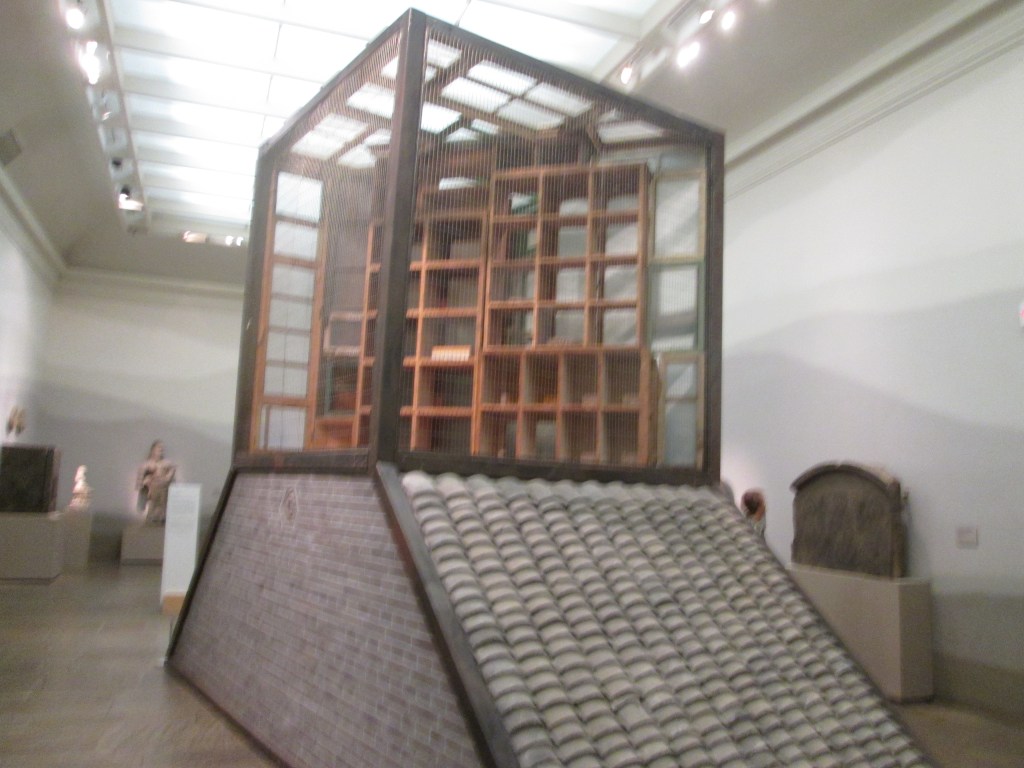
And in the Art of Asia wing, I saw Beijing artist Song Dong’s Wisdom of the Poor: Living with Pigeons structure, made from materials from actual traditional Beijing houses with a pigeon coop on top, which people used to expand their meager dwellings.
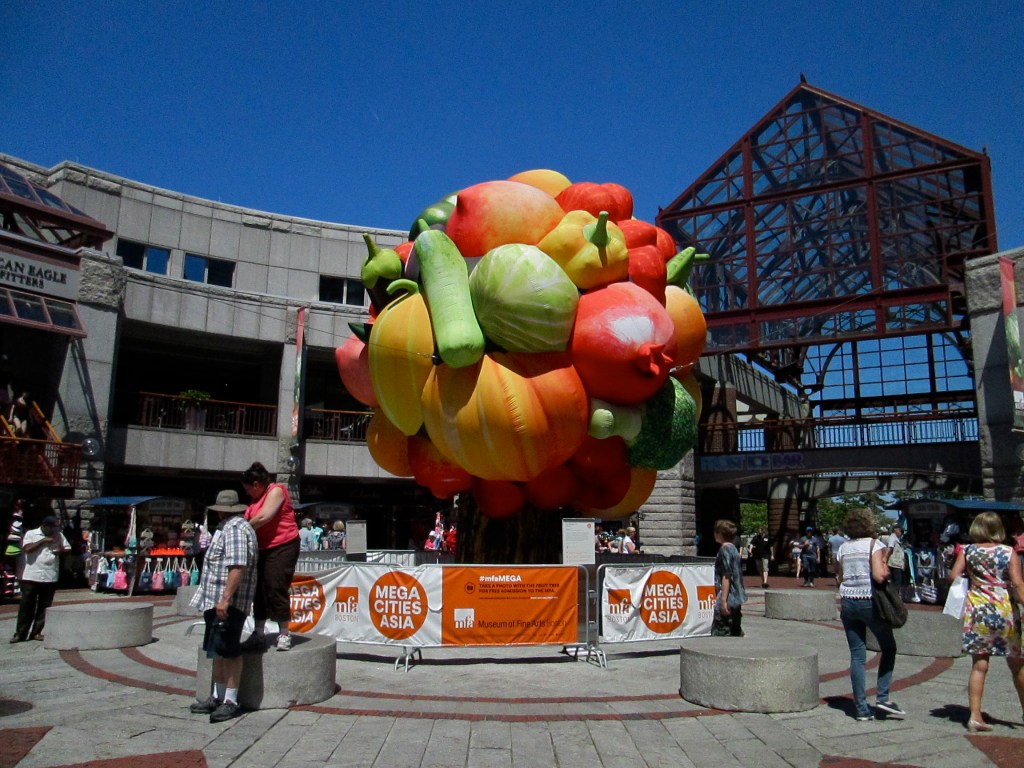
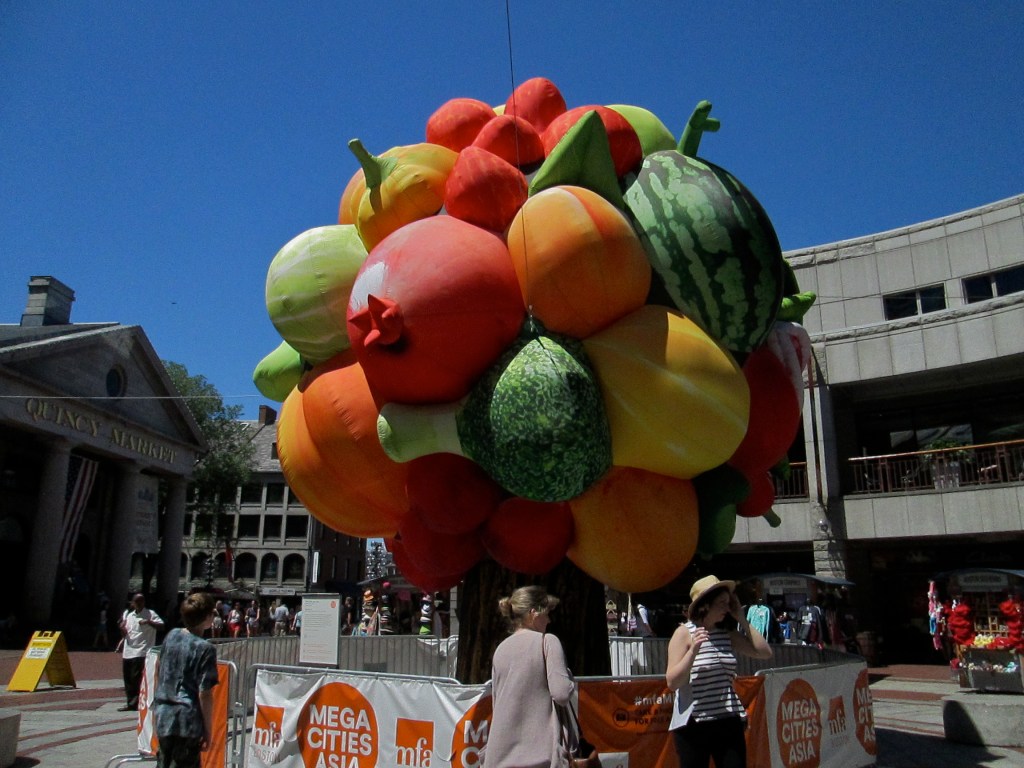
Then later in June, I made it to Boston’s Faneuil Hall Quincy Market to see the outmost extension of the exhibition, Choi Jeong Hwa’s whimsical inflatable Fruit Tree sculpture, amidst all the gawking tourists.
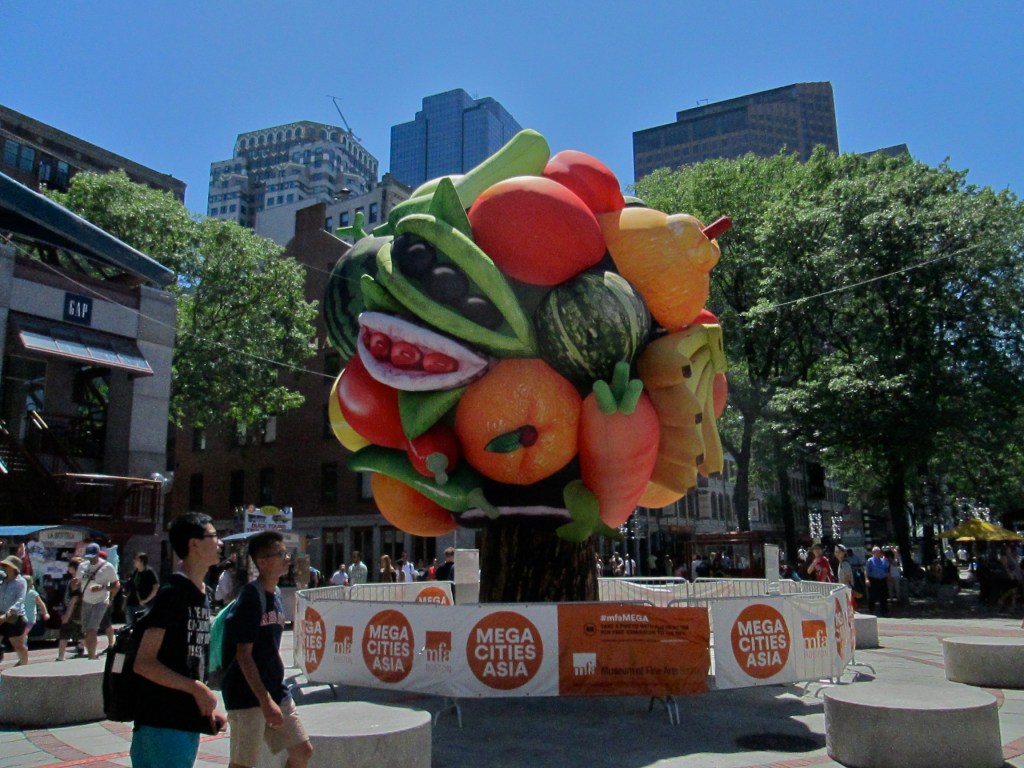
Megacities Asia was the largest contemporary exhibition the MFA had put on (to date) and it made a “micro city” like Boston feel like a megacity for a spring and summer! 🙂
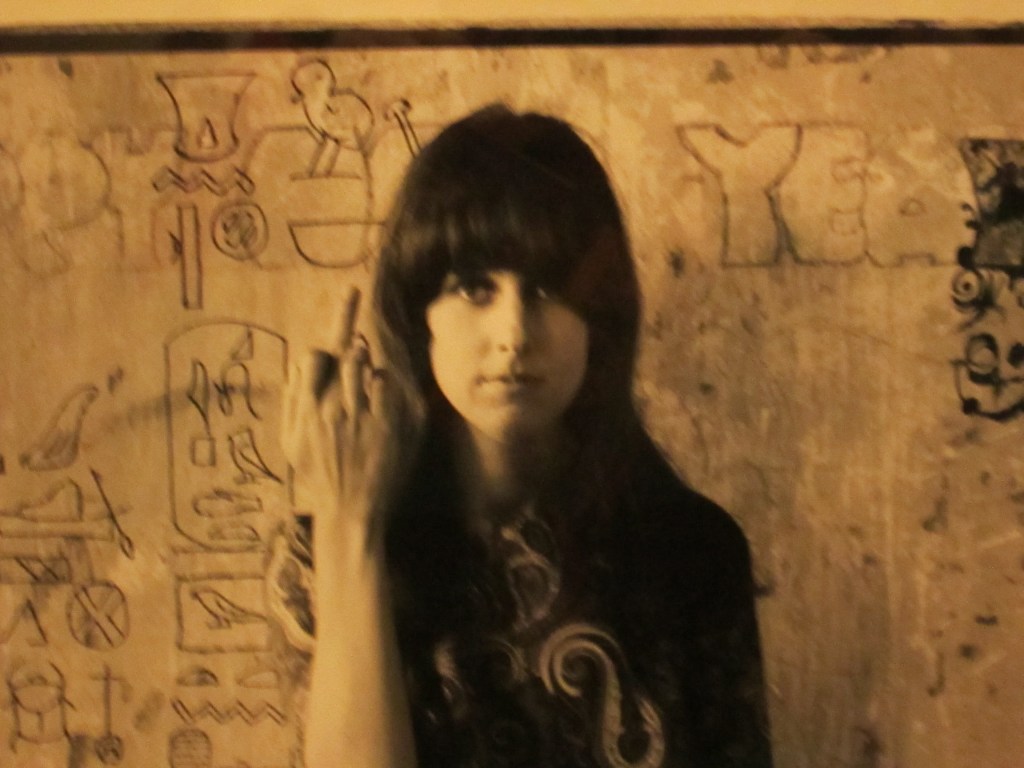
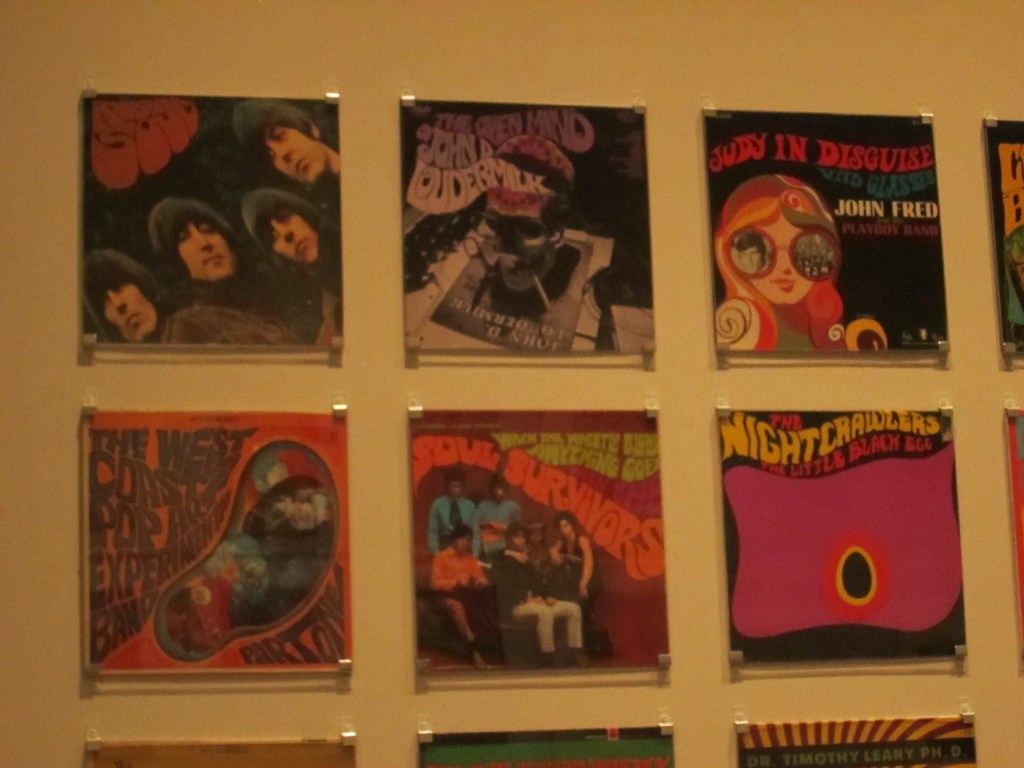
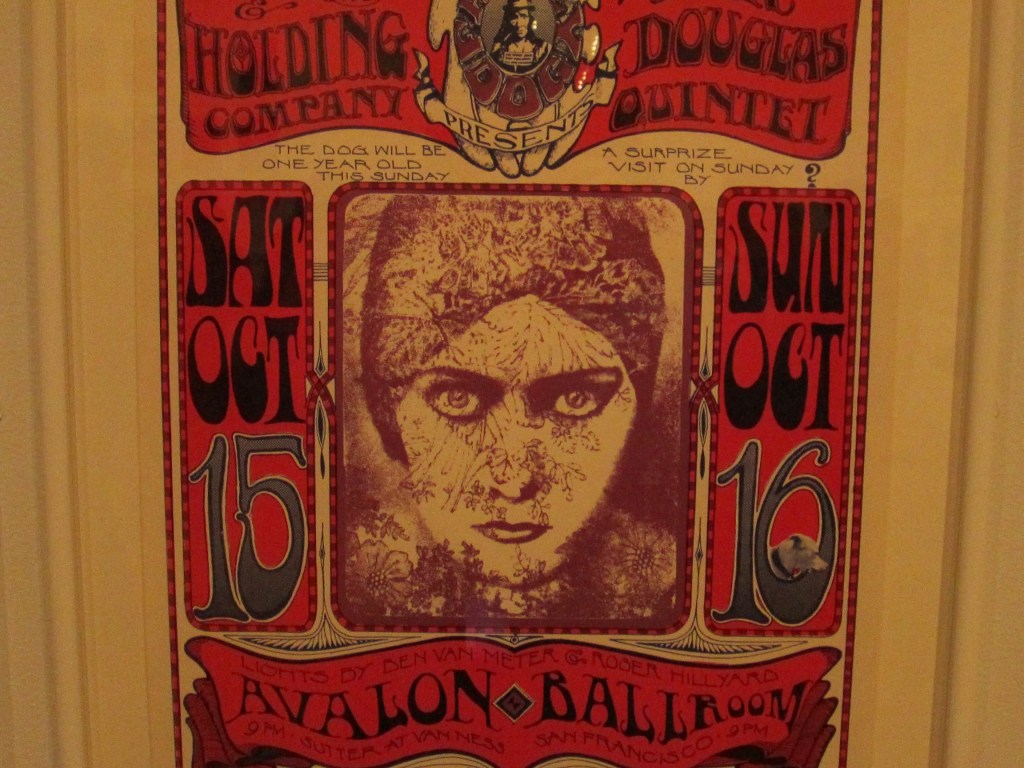
And the next year, they did the Summer of Love, bein’ the 50th anniversary an’ all:

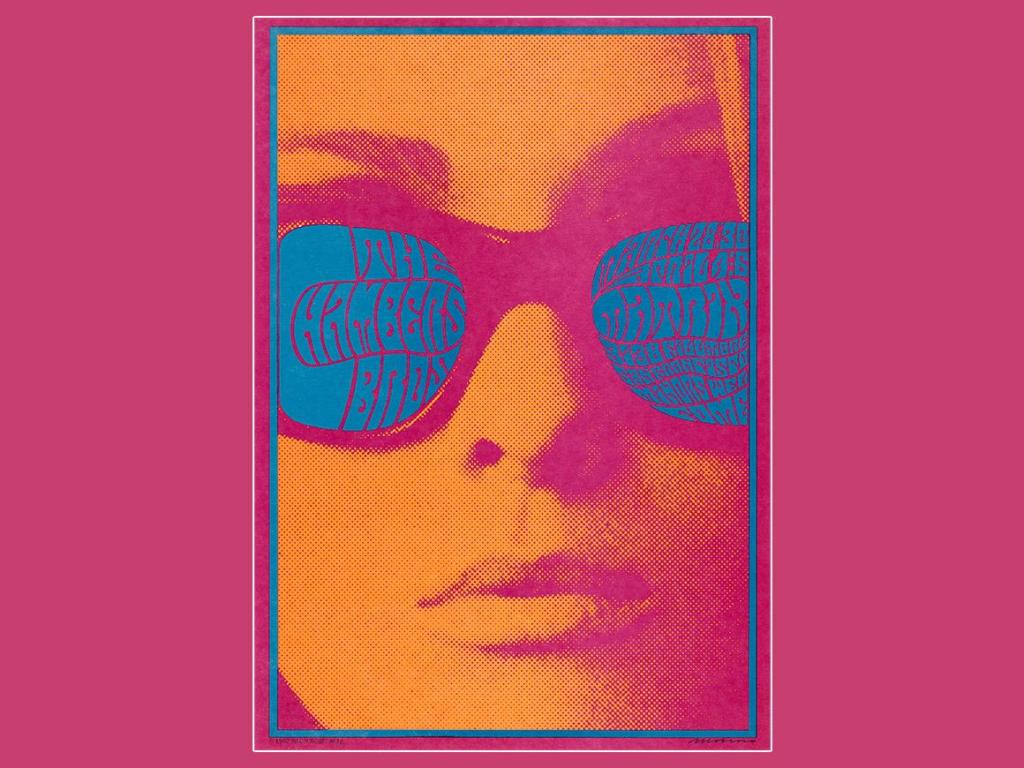
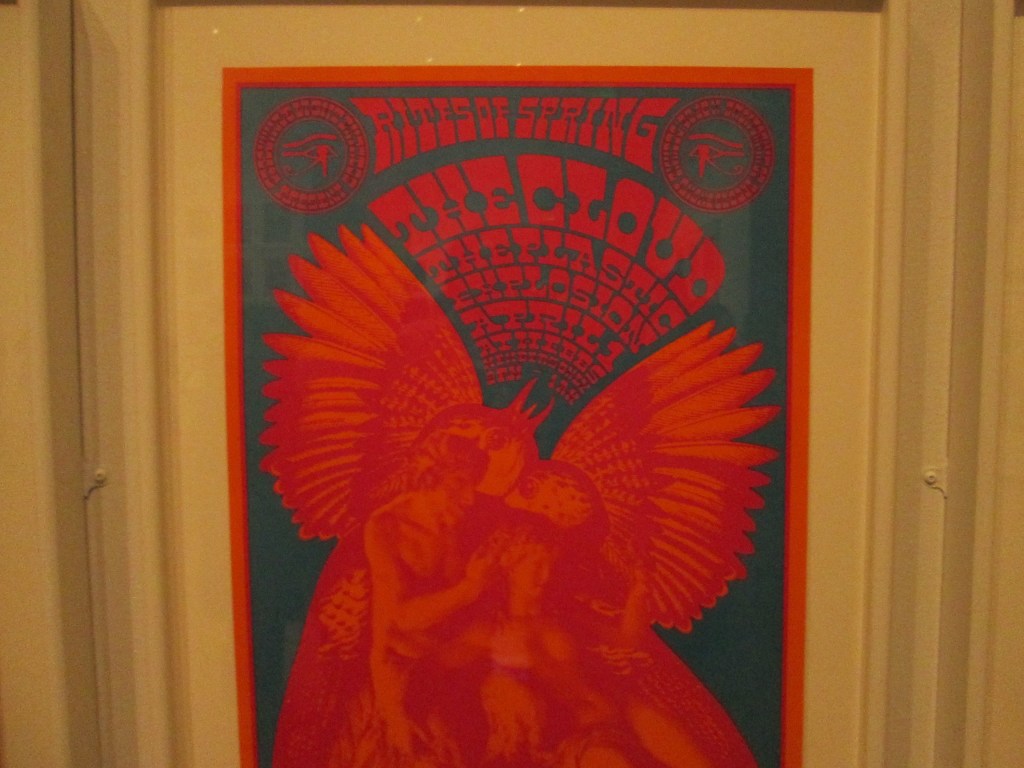
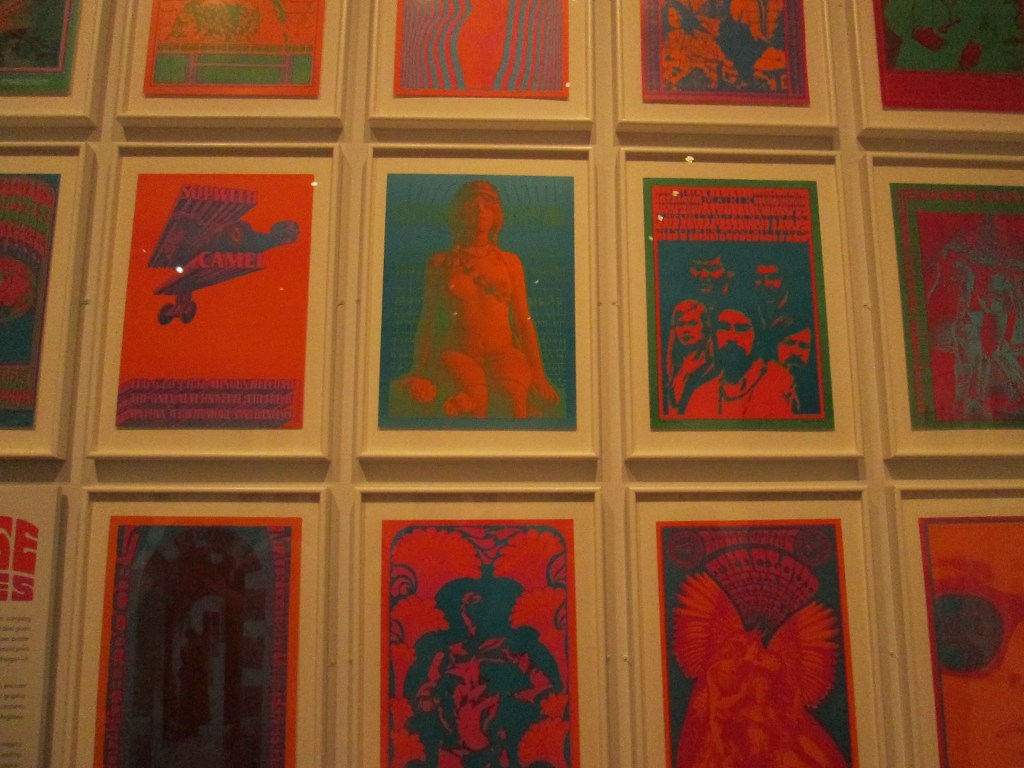

Like far out and groovy, man! 🙂
 Munedawg Communications
Leave a comment