


The TARDIS lands in Salem, Massachusetts.
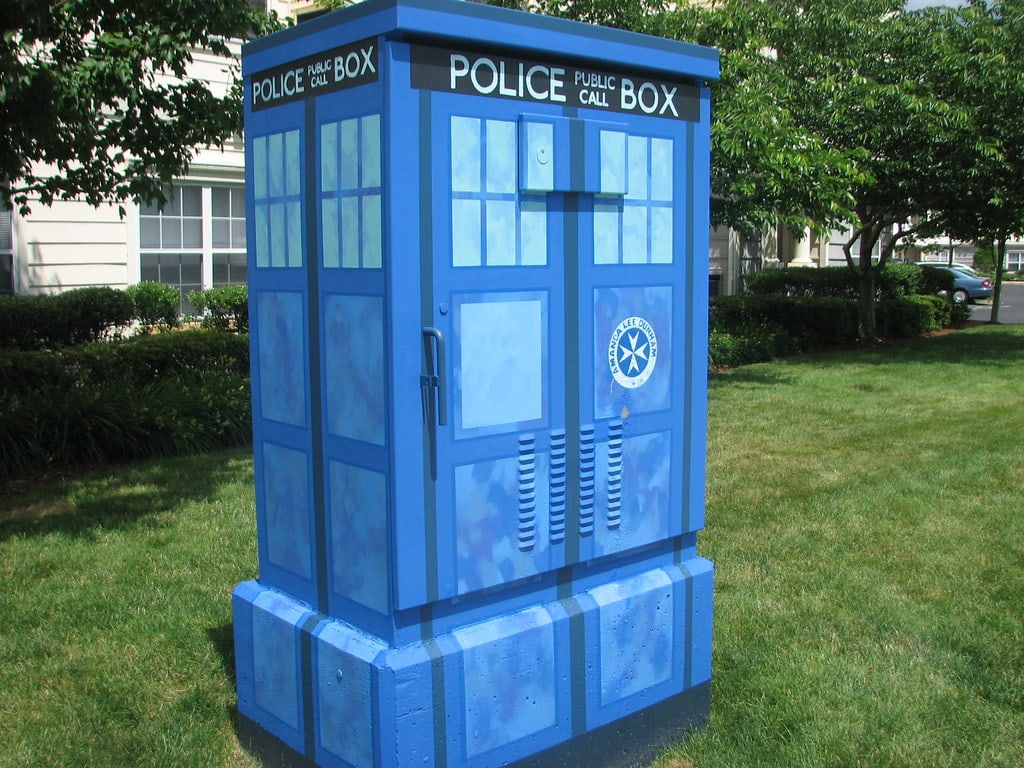
The Doctor, Susan, Barbara, and Ian have arrived in Salem Town in 1692…

Which occurs in The Witch Hunters, a Doctor Who “History Collection” book by Steve Lyons featuring the 1st Doctor. But actually there is a utility box in Salem painted as the TARDIS by local artist Amanda Dunham as part of the city’s ArtBox project. According to her, “I started thinking of something that would be significant to Salem, and the TARDIS is a time machine. It invokes the past and present, Salem being a place of historical importance, as well as a new (growing) art scene, it’s not just about the past, it’s about the present.” When I drove past it on the way to the new Peabody Essex Museum (PEM) facility I literally thought I was hallucinating! 🙂
In a shallow dive of a deep dive, looking back at the actual Salem Witch Trials, it was an incredible case of mass hysteria in which more than 200 people were accused of witchcraft and communing with the Devil. 30 people were found guilty, 19 of whom were executed by hanging (14 women and 5 men). One other man, Giles Corey, was pressed to death after refusing to enter a plea, and at least 5 people died in jail. There were actually 2 Salems, Salem Town and Salem Village, which is now called Danvers (after Sir Danvers Osborn, 3rd Baronet, who was the Colonial Governor of the Province of New York in 1753). And people in neighboring communities like Andover, Topsfield, and Ipswich were affected as well.
It was a particularly gruesome time in American history, which is why I am happy to report that there is a hilarious comedy film about that period, Love At Stake (1987), starring Patrick Cassidy, Kelly Preston, Stuart Pankin, Dave Thomas, Barbara Carrera, and Bud Cort.

After that little detour, let’s get to the main topic of this blog entry, which was my visit to the new Peabody Essex Museum in Salem, one of the oldest continuing museums in the U.S. Initially founded in 1799 as the East India Marine Society by Salem ship captains and what were known as “supercargoes” (1st mates aboard merchant ships), who collected “natural and artificial curiosities” from their long voyages. This collection was later acquired by the Peabody Museum of Salem which then later merged with the Essex Institute to form the PEM. I remember visiting the Peabody Museum as a youngster in the East India Marine Hall building and was fascinated by all the exotic specimens like Asian ceramics, textiles, furniture, and even spears and shrunken heads from the South Seas. From 2003 to 2019 the museum did a massive renovation and expansion with the creation of a new building around the East India Marine Hall building, with an enormous atrium, expanded galleries, an auditorium, a garden, and even an entire house from China(!).

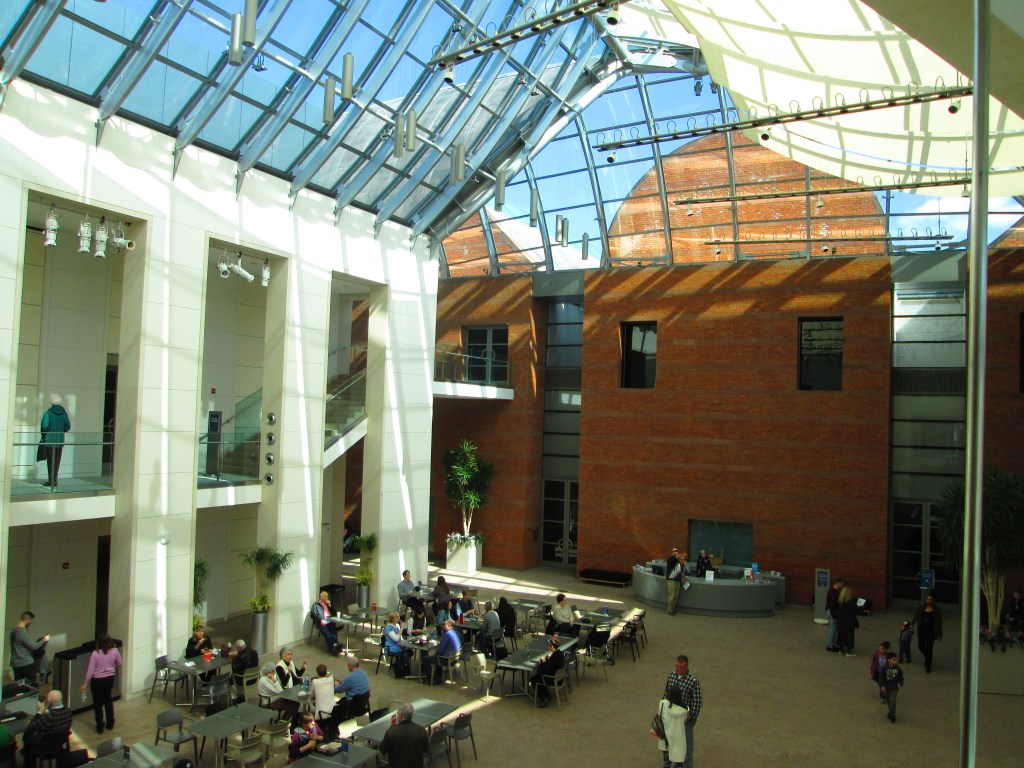

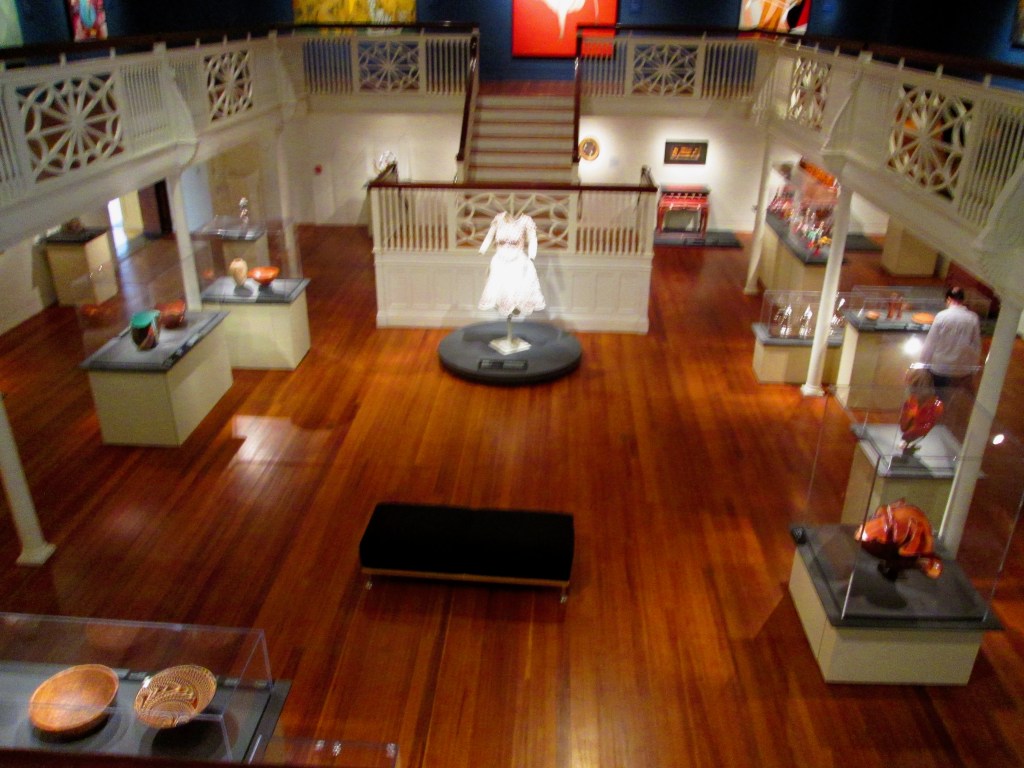
Old and new on display.


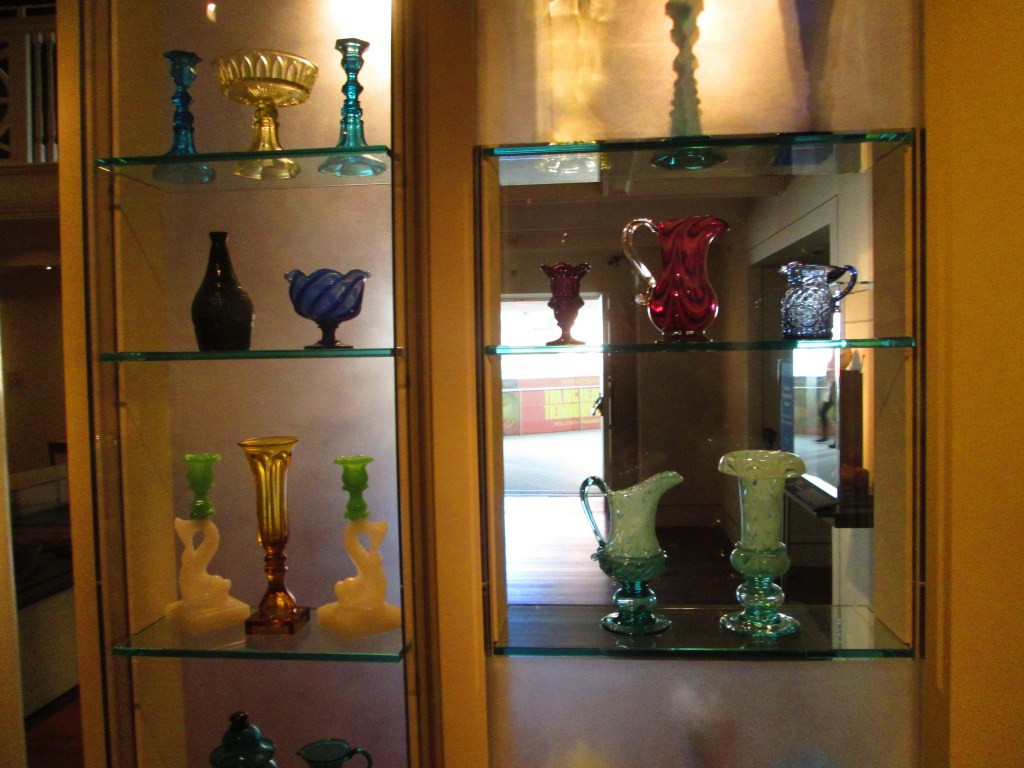
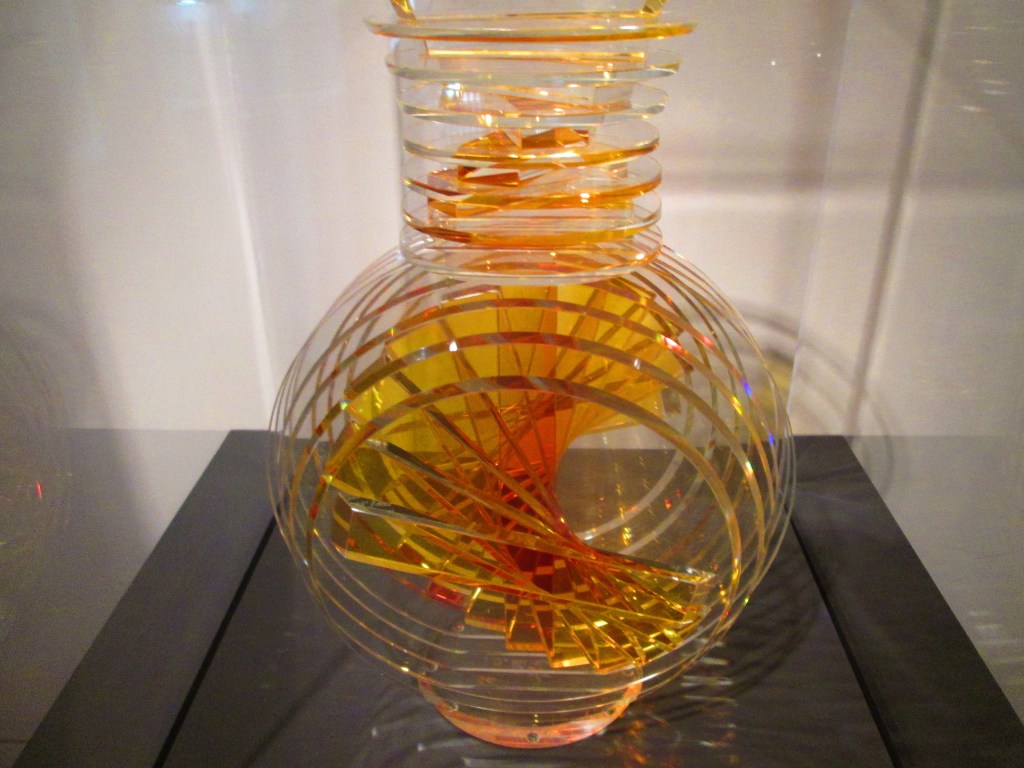
Some amazing glassware.

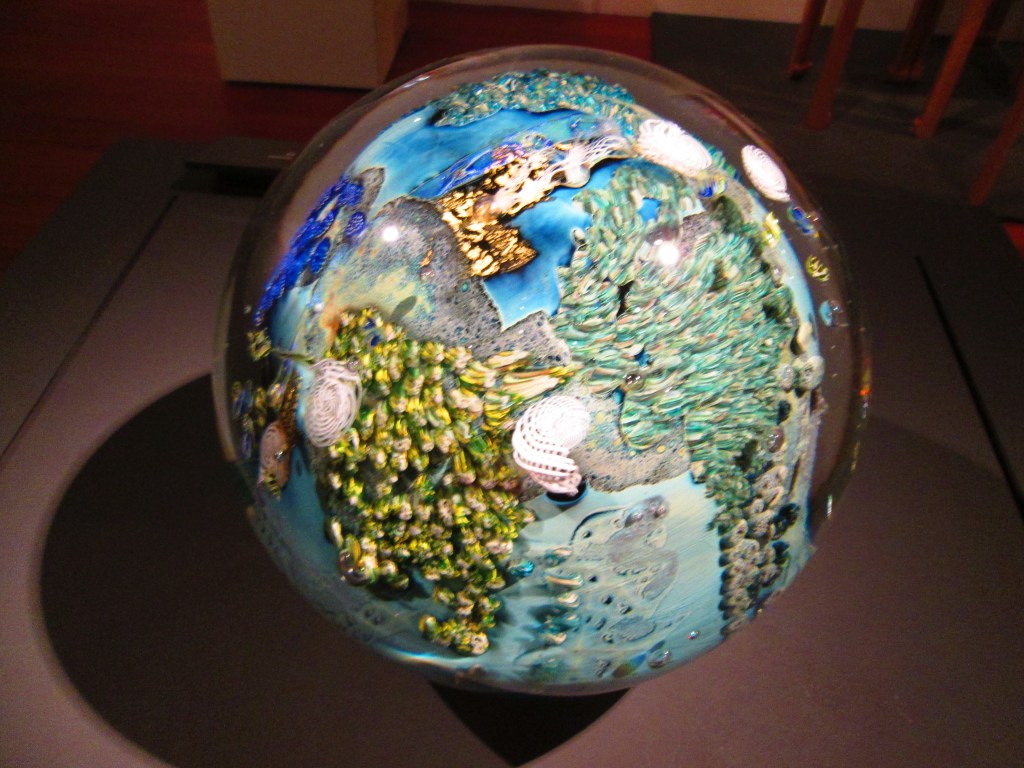
A fabulous paperweight.
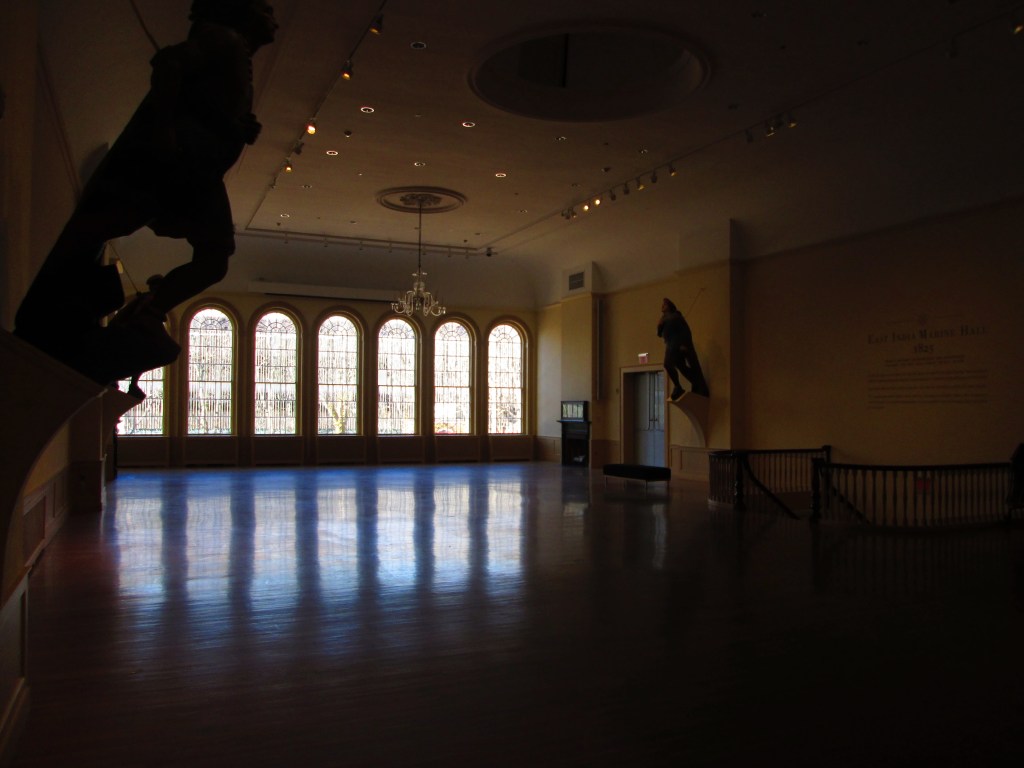
The East India Marine Hall, the oldest part of the museum.
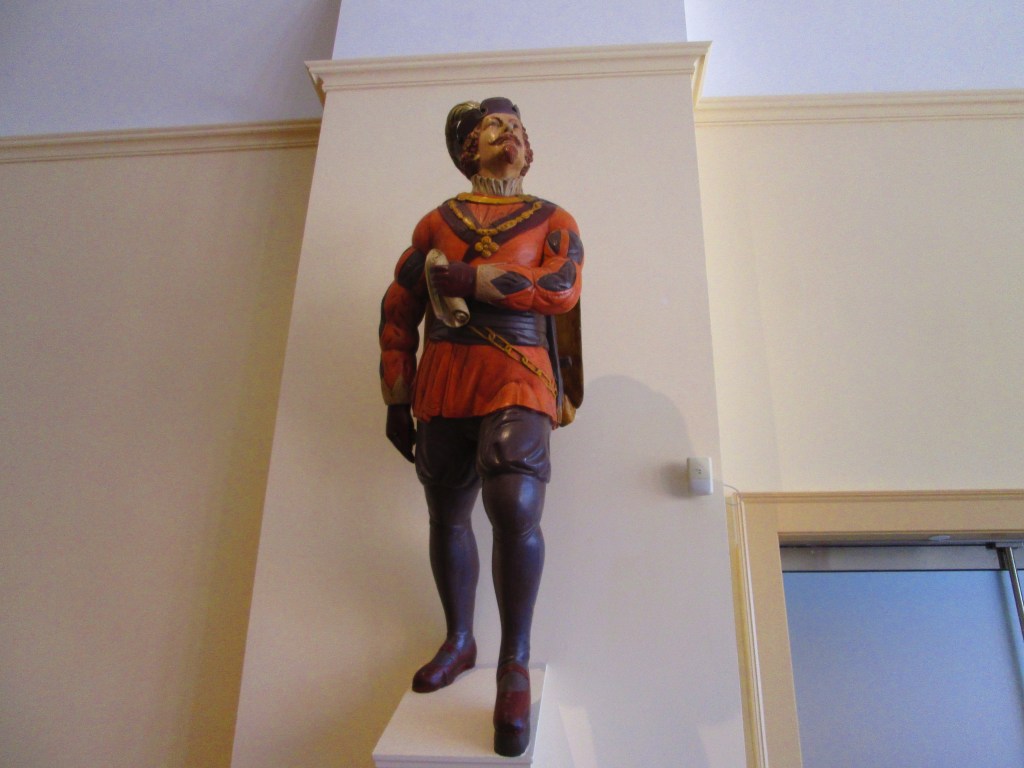
Some amazing ship figureheads.
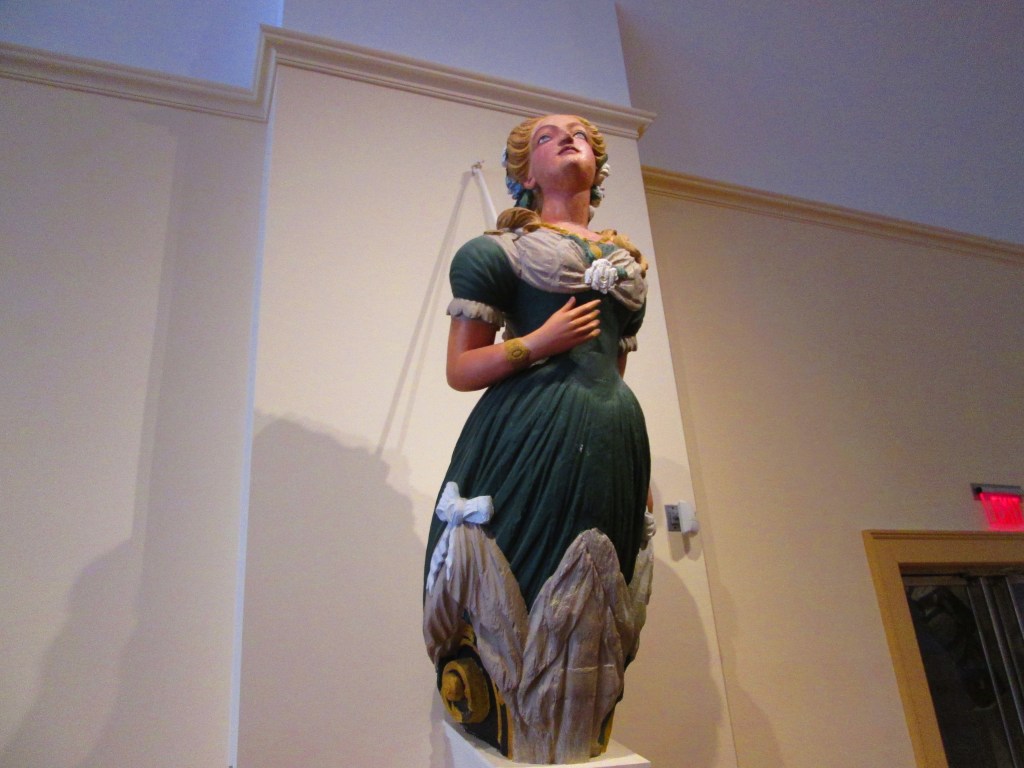
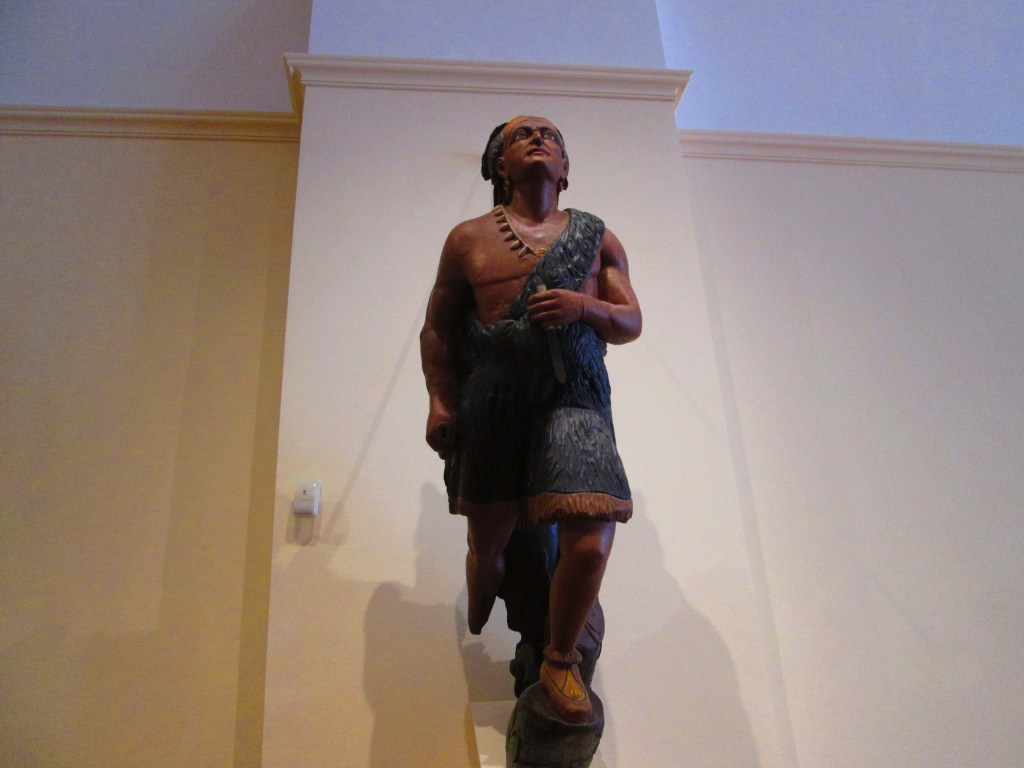
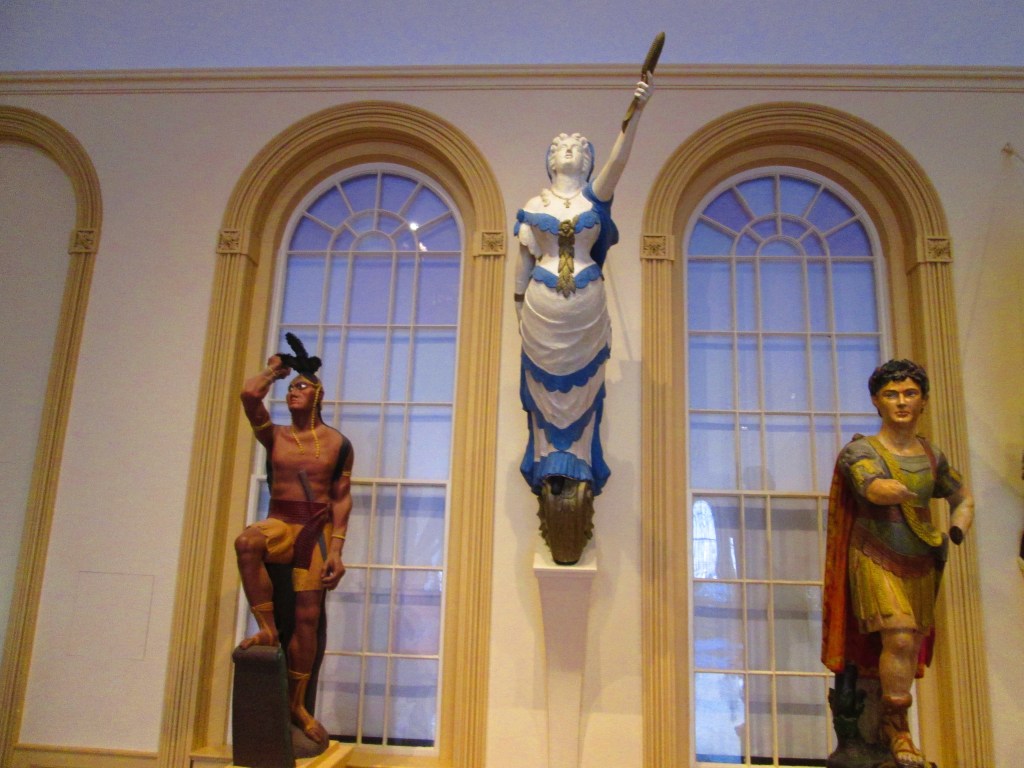
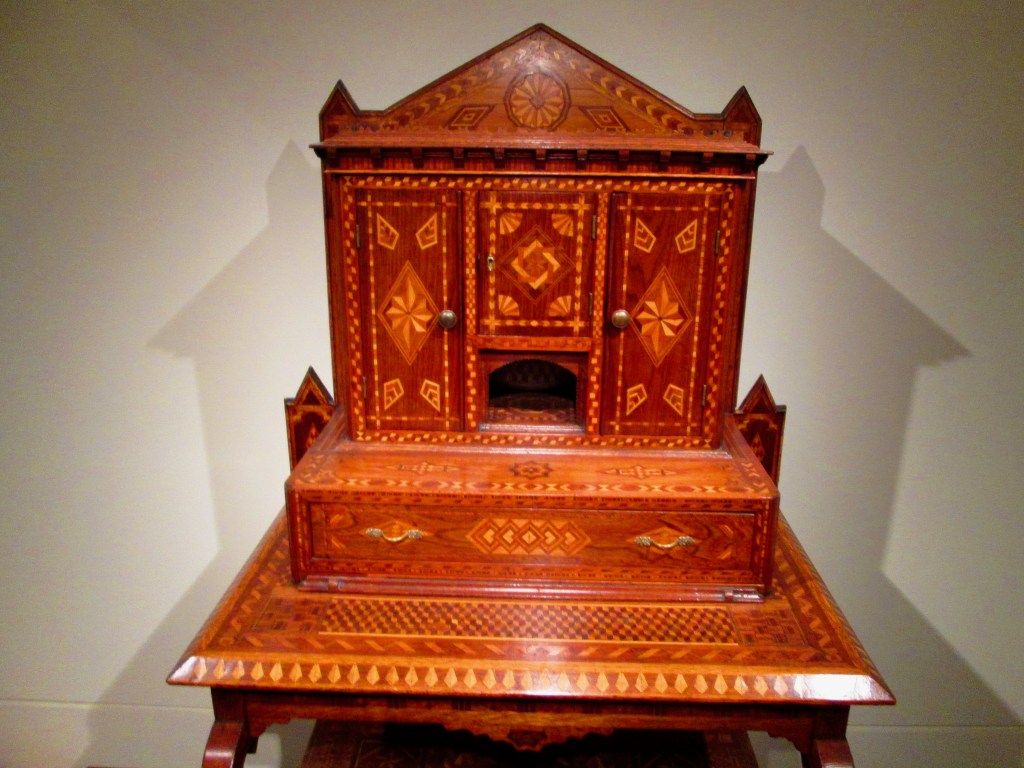
An ornate desk.
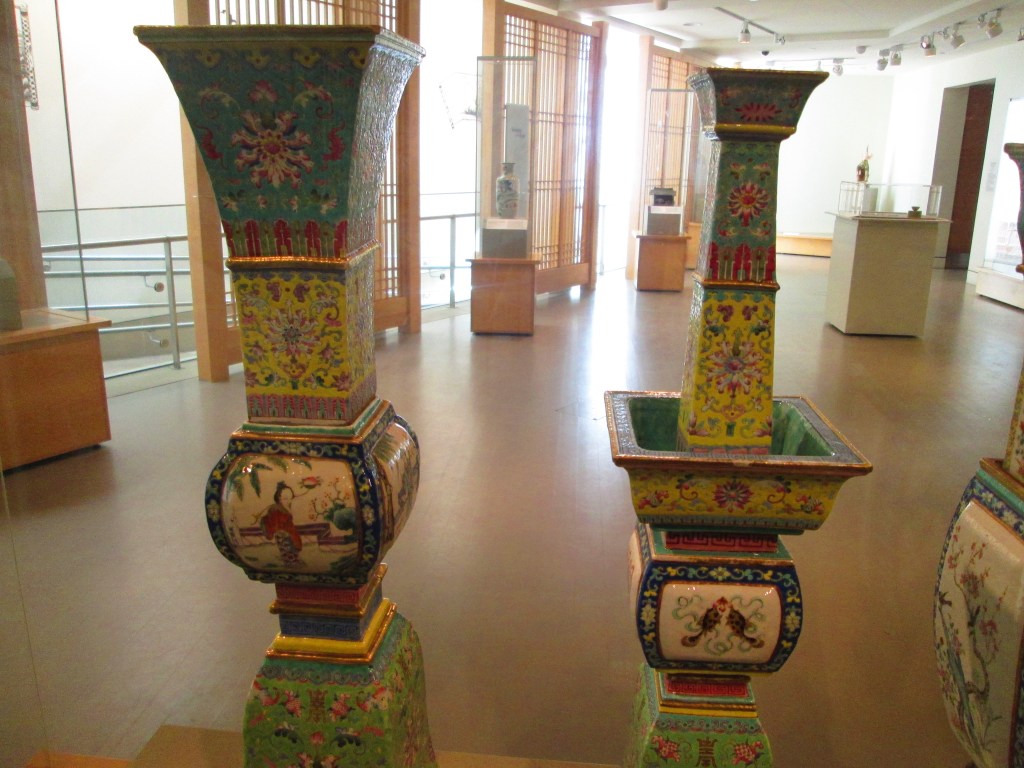
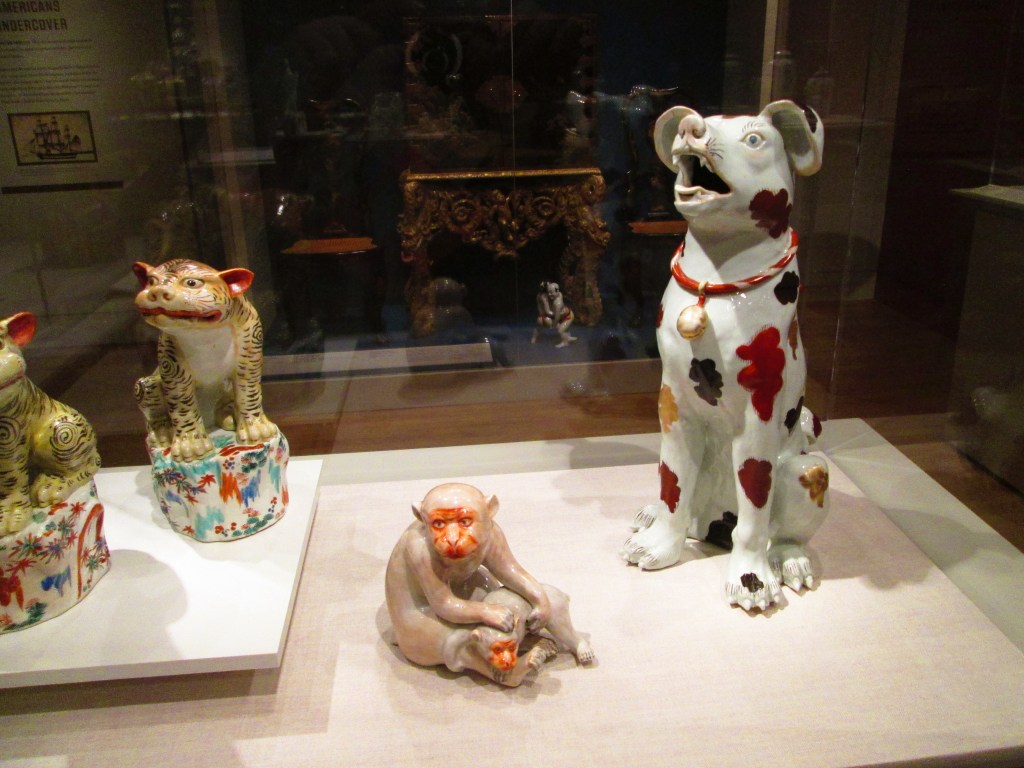
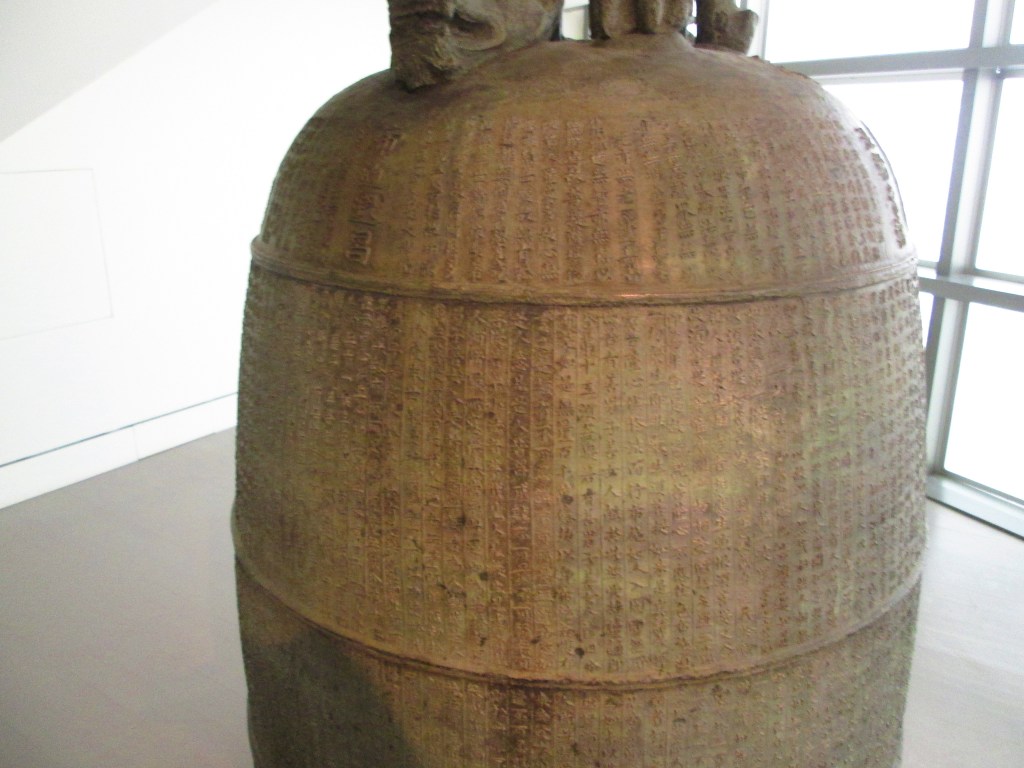
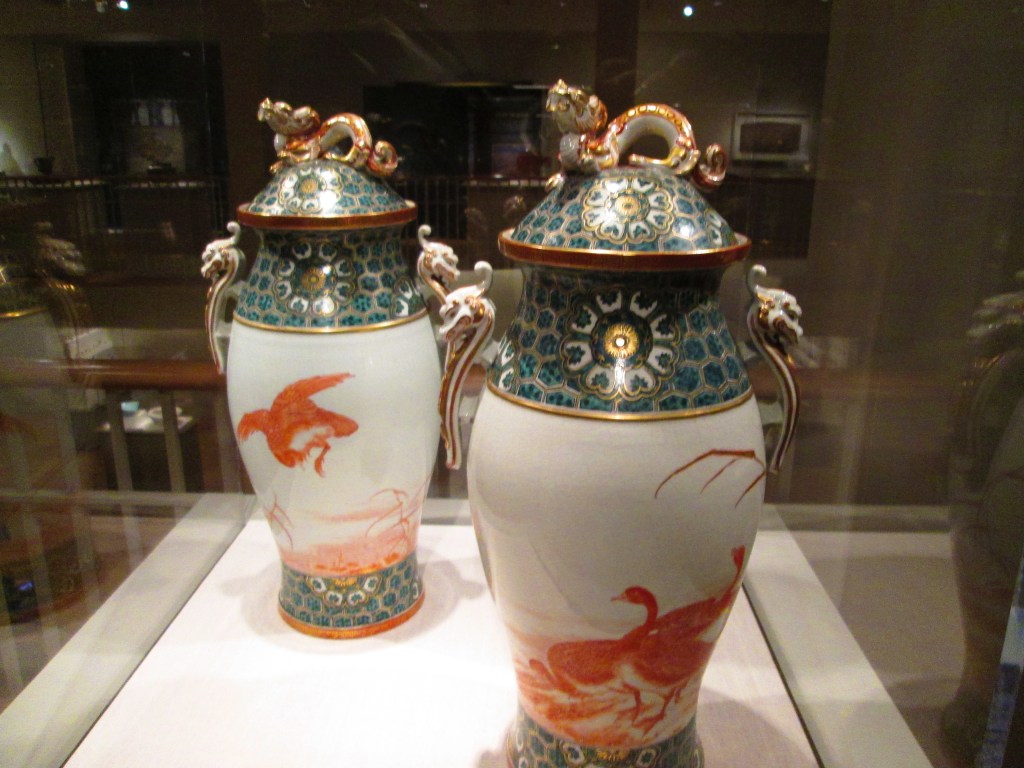
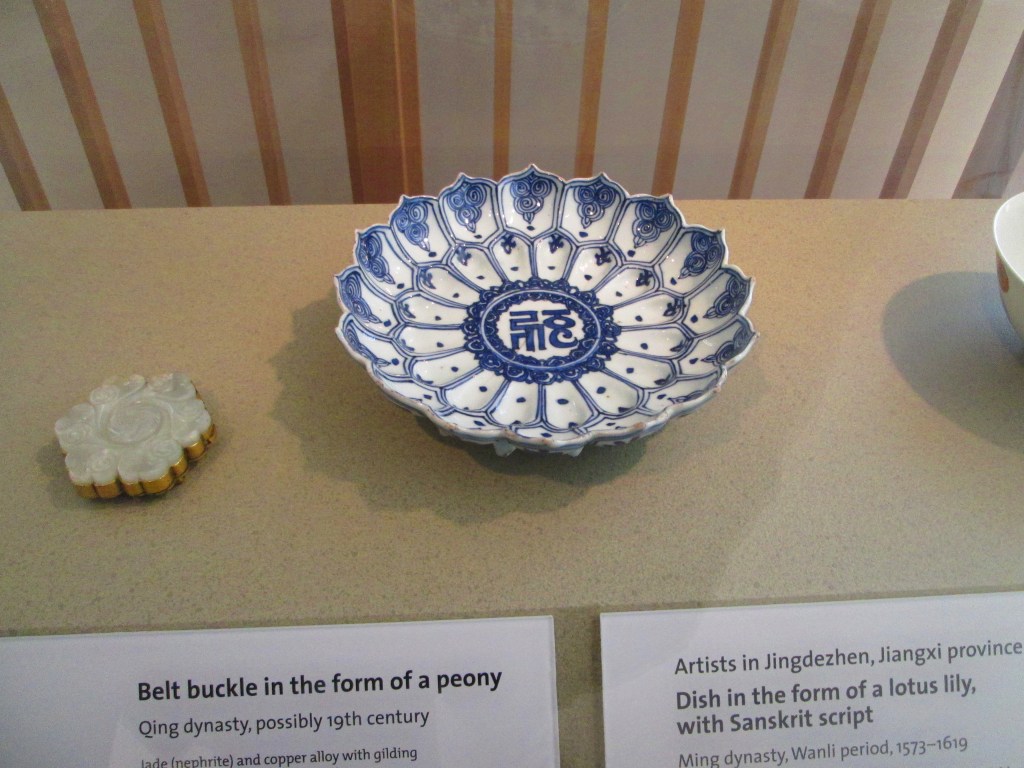
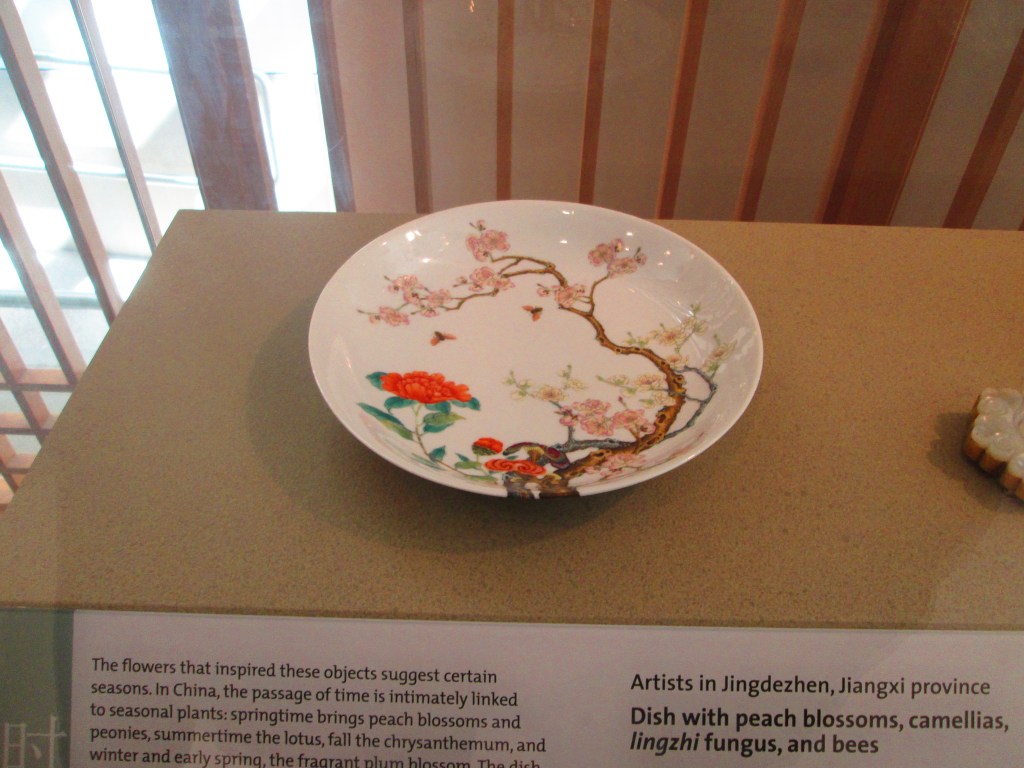
The PEM has an amazing collection from Asia, including China, Japan, and Korea.


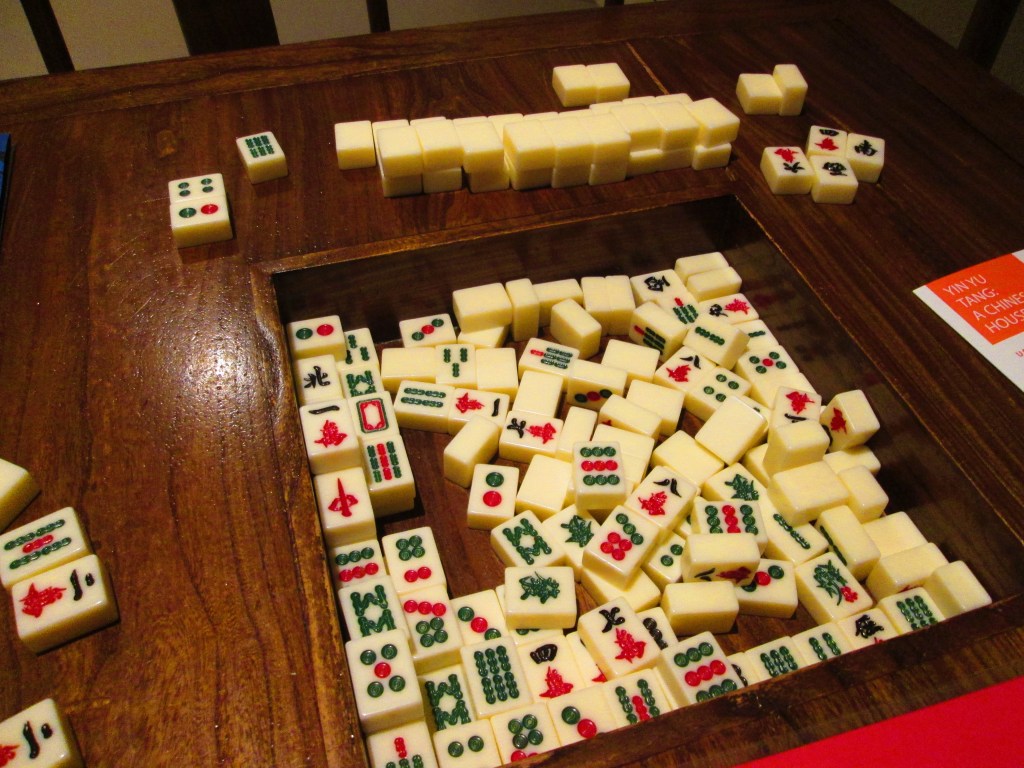
This is a real domino set.
It’s true that at the museum they have an entire Chinese house, the Yin Yu Tang house, a late 18th century home from the Anhui province of China, constructed during the Qing dynasty.
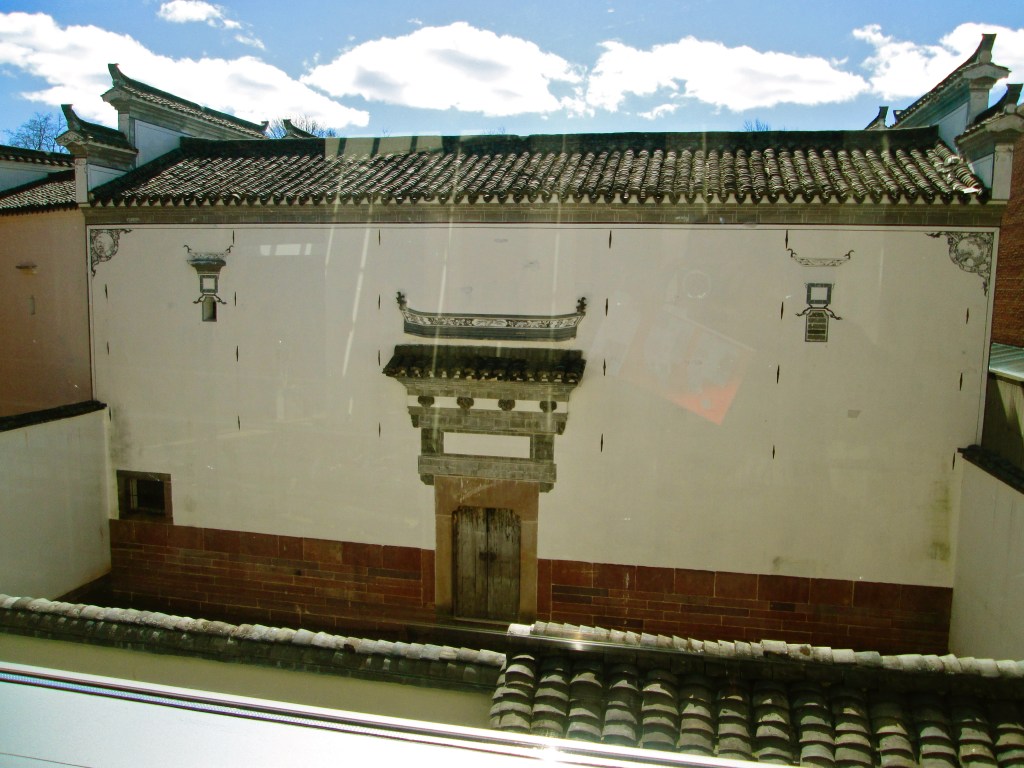
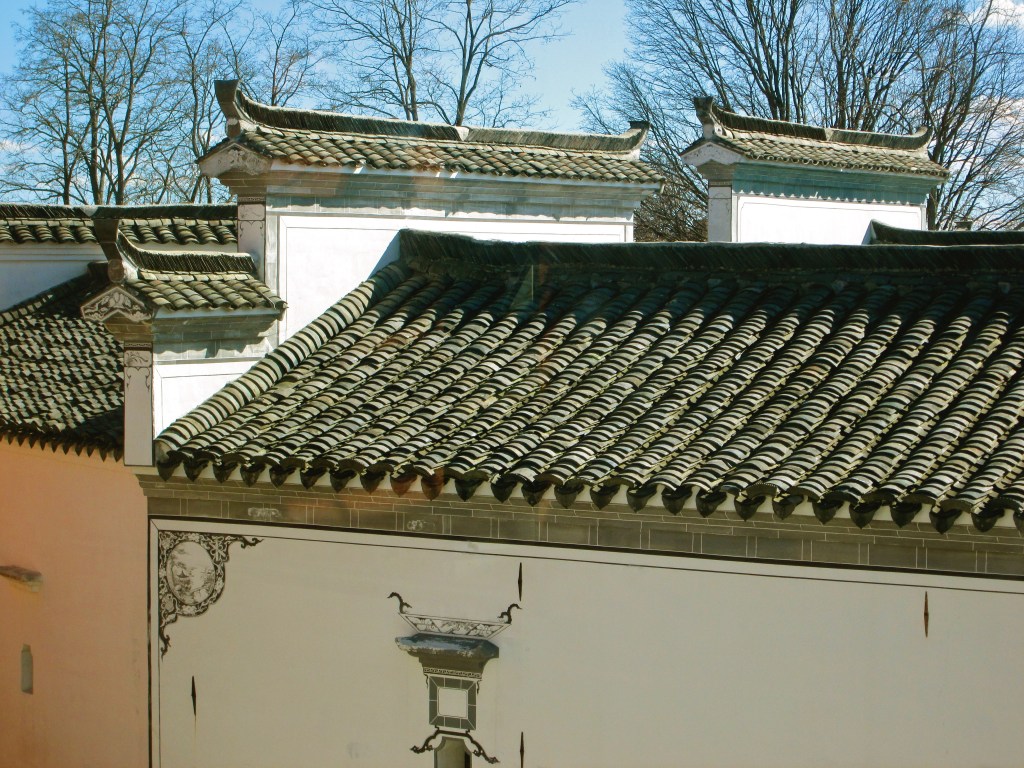
The house was built 200 years ago in the small village of Huang Cun in southeastern China in the Huizhou region, approximately two hundred and fifty miles from the city of Shanghai. The owner, a prosperous merchant, was a member of a locally prominent family surnamed Huang.

Yin Yu Tang means “The Hall of Plentiful Shelter.” And indeed, the house served the Huang family for eight generations. Then, in 1982 the last descendants moved from the village and the Huang family put the house up for sale. An agreement was reached with a representative of PEM to do a cultural exchange in which the museum acquired the house, dismantled it piece by piece and shipped it to Salem where it was rebuilt at the main PEM campus.
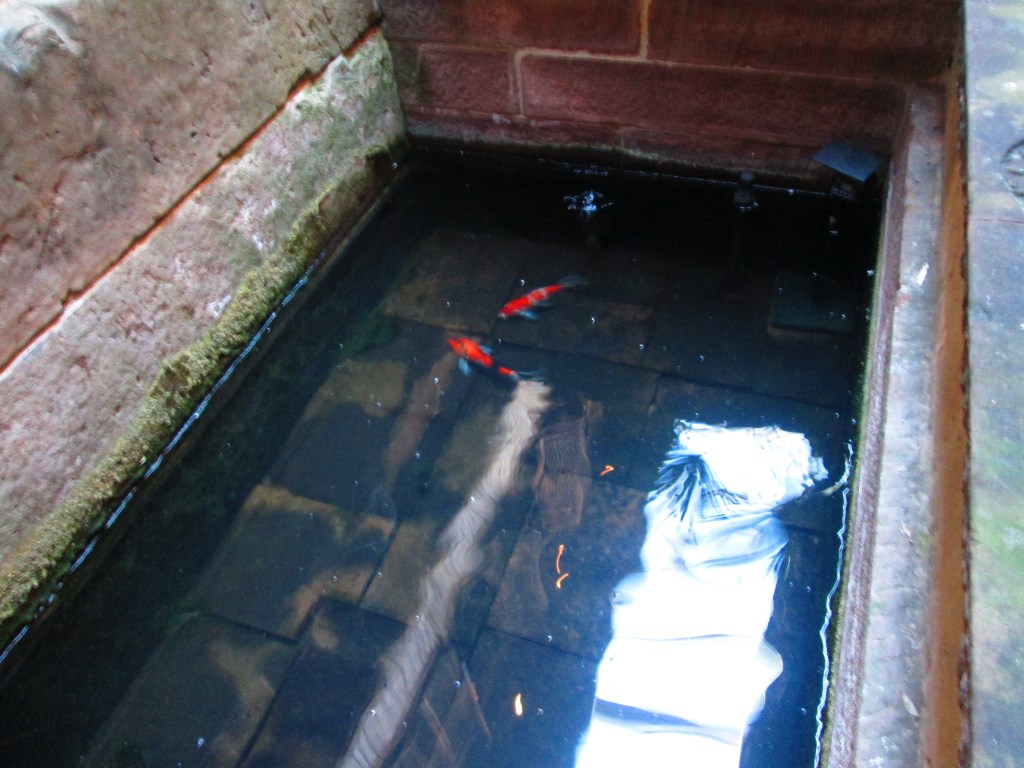
The interior courtyard, featuring goldfish ponds, plants, and equipment.
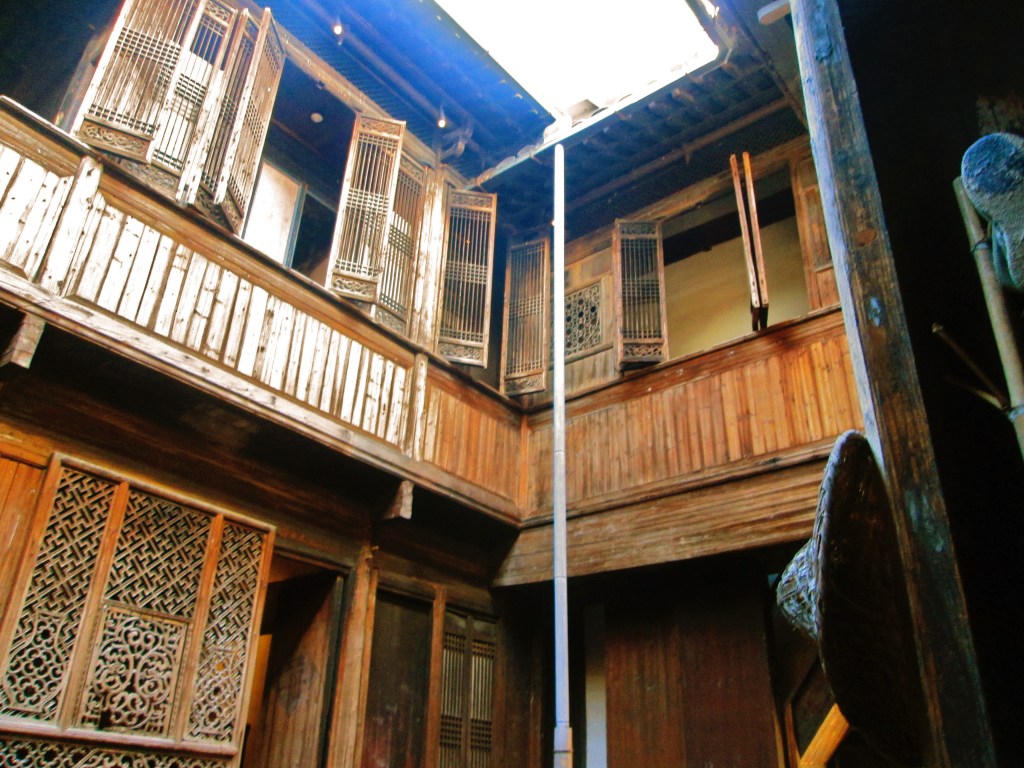

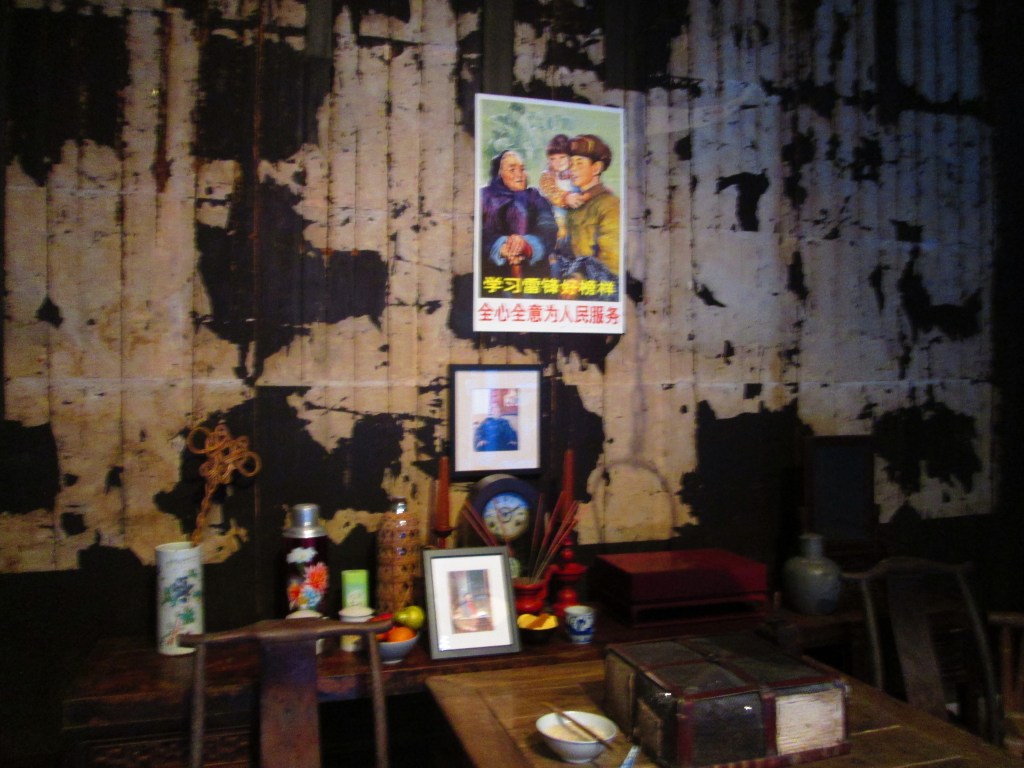
The dining hall with a communist poster.

Chilis drying for preparation.
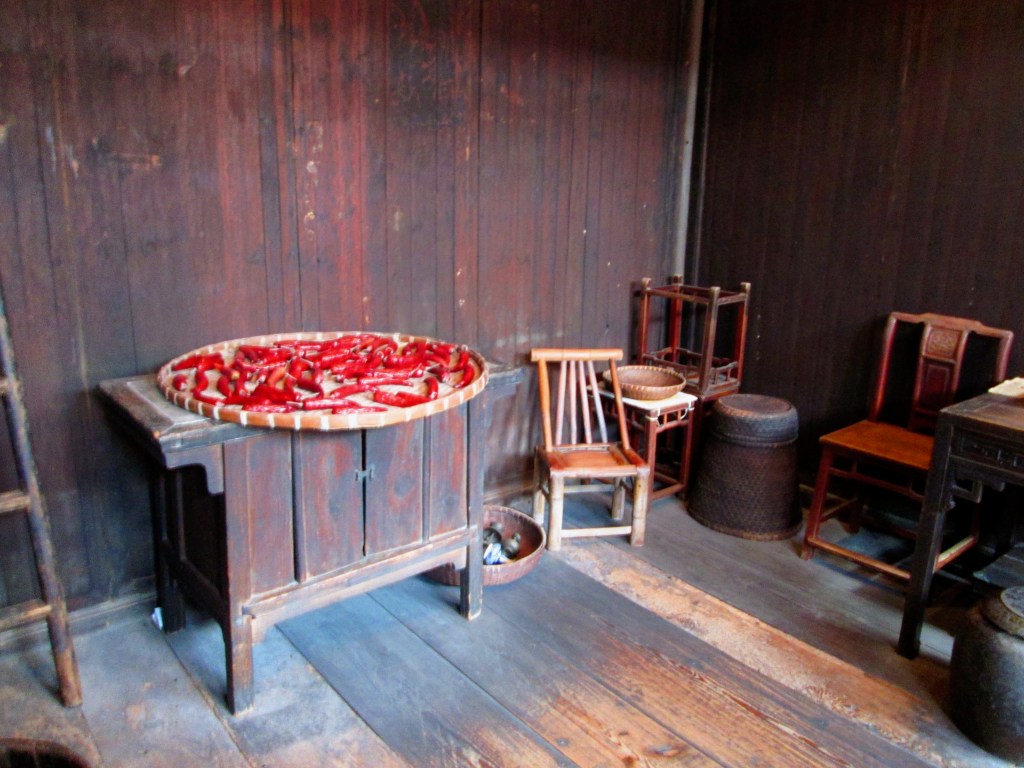


One of the many bedrooms.


Actually stepping into the house was like traveling back in time to an earlier China, possibly even in the TARDIS! It is a really amazing experience and I would recommend it to all visitors to the PEM (it requires a separate ticket but is well worth it).
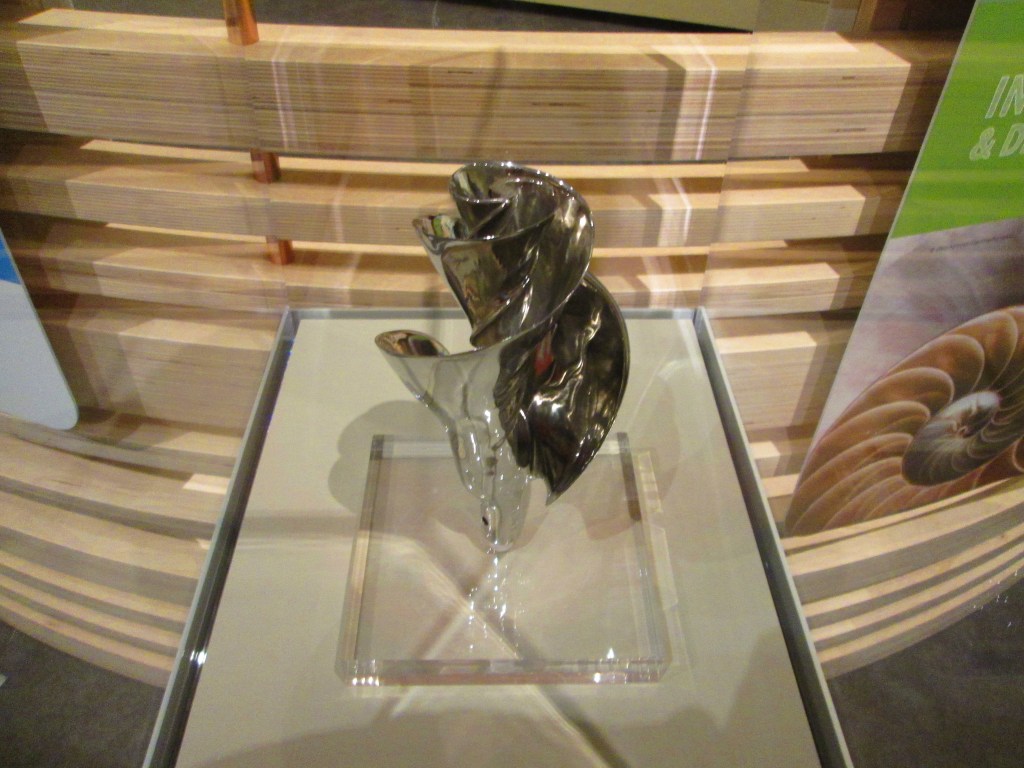
Moving along to the Art & Nature Center, I saw innovative concepts in technology, showing a possible future in which the ideas are inspired by nature…
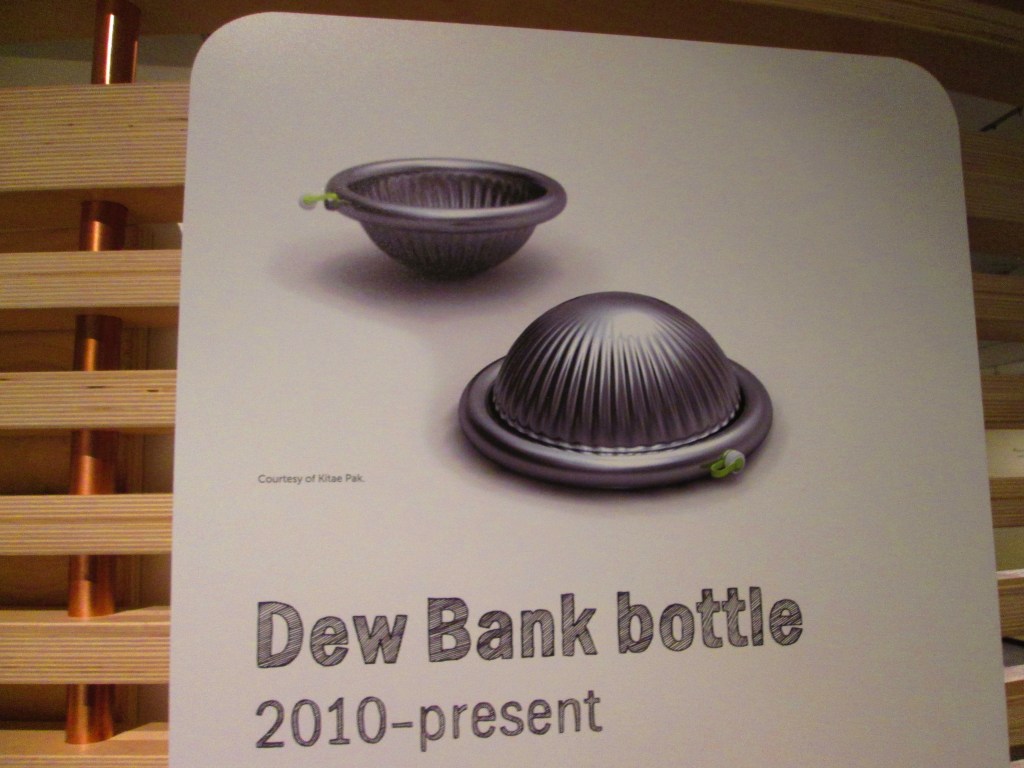
A sculpture inspired by a nautilus shell.
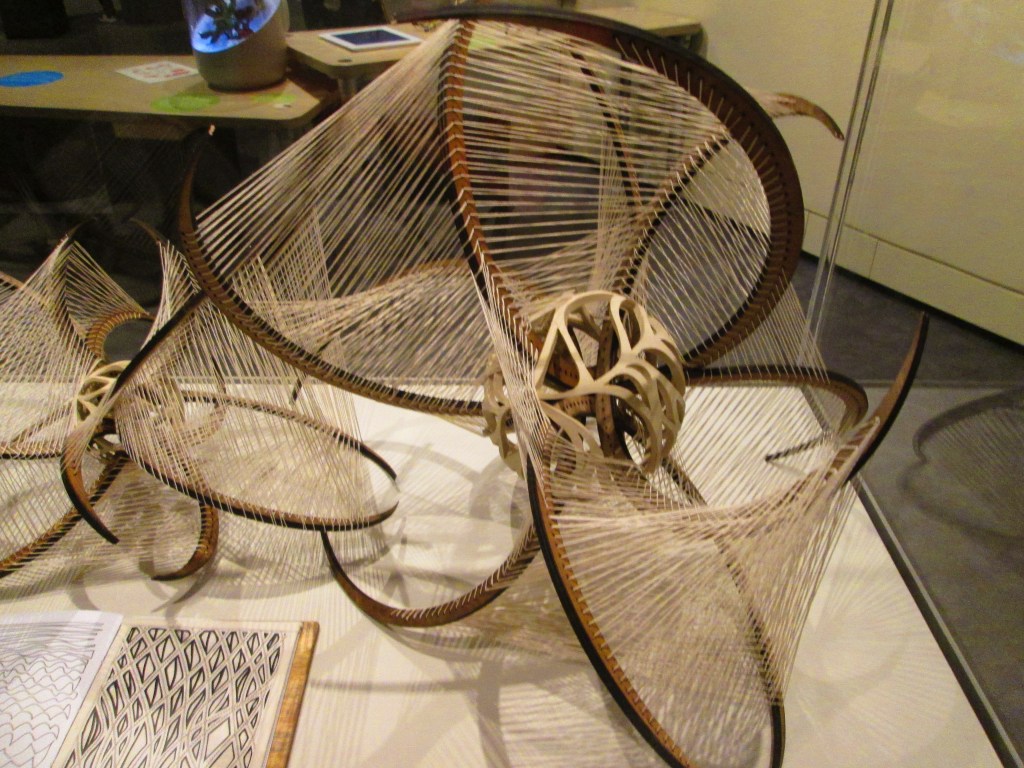
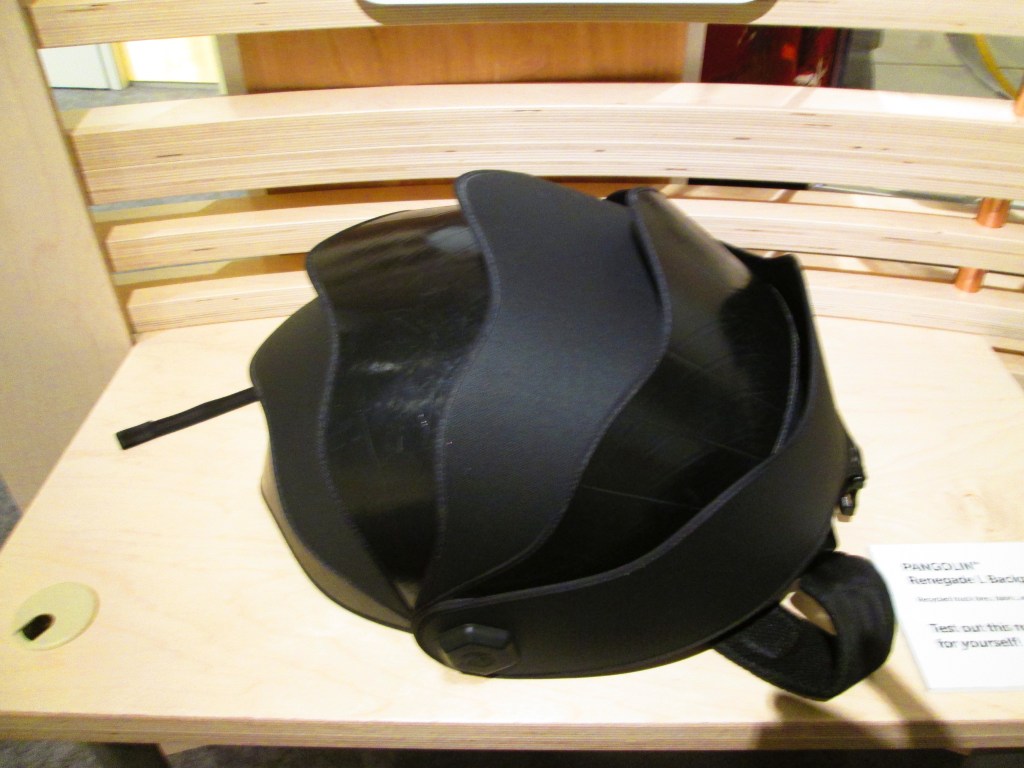
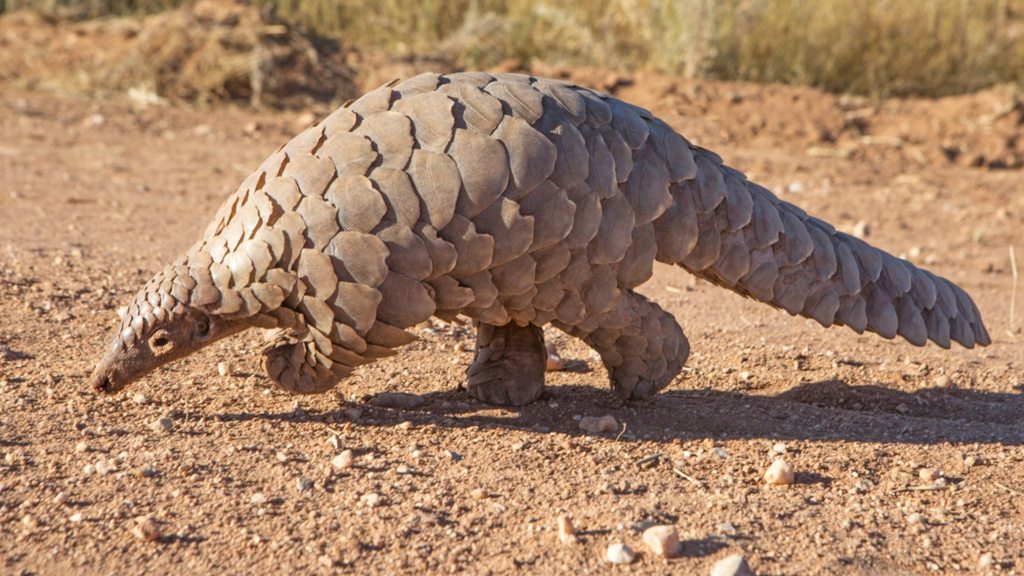
A Pangolin backpack inspired by the real creature.
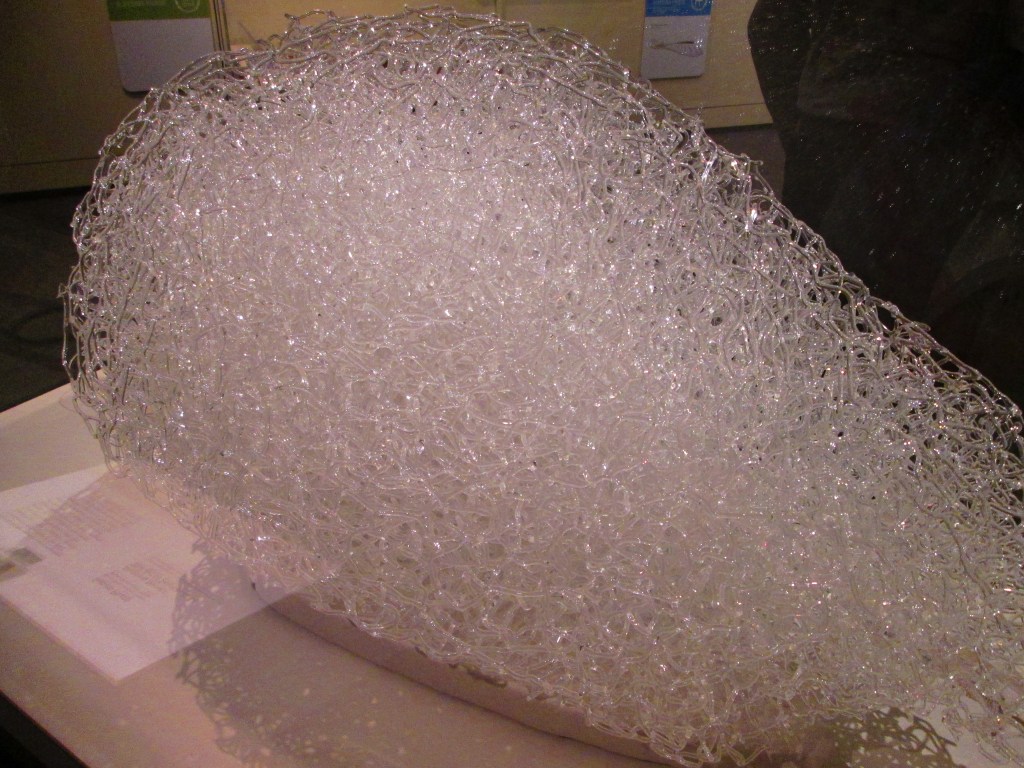
A foamy lattice structure.
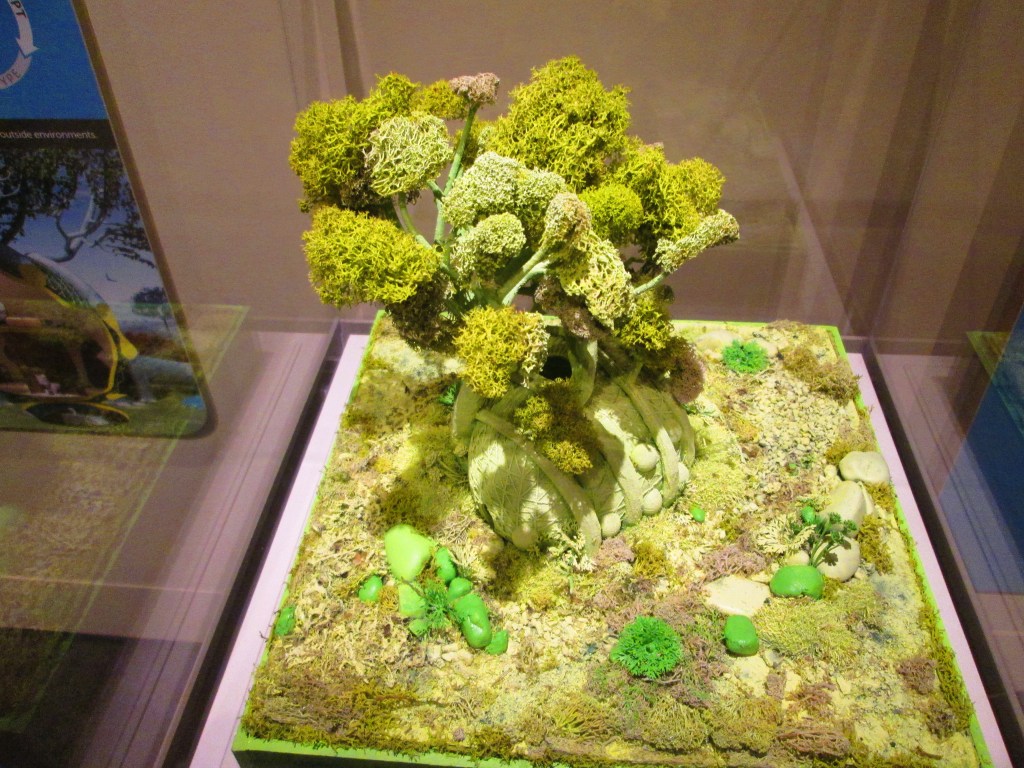
A treehouse habitat using broccoli as an inspiration. 🙂
Assorted art treasures at the museum.
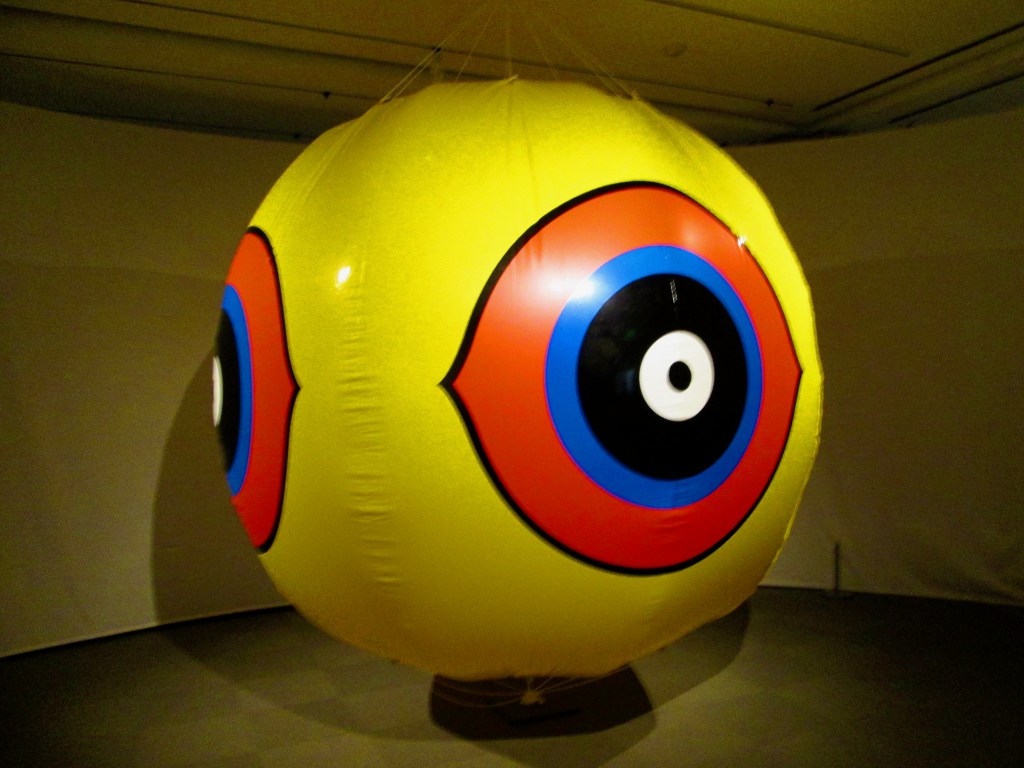



All in all a very memorable trip to a now world-class museum.
 Munedawg Communications
Leave a comment