


Today I’d like to, if not tackle, at least have a light hearted discussion about the somewhat thorny issue of the best background for a budding filmmaker. Is film school a good option or is having a more general, liberal arts type of education the way to go? I can start off by citing my own experience. At university, I did have a more general liberal arts curriculum for my first two years and then transferred to the communications school within the uni for my last two years and got a B.S. in Broadcasting and Film. Actually when I was picking said film school one of my professors had protested my decision and said that I would be much better off with a good solid Liberal Arts degree. At the time I didn’t understand where he was coming from (well I was young and stupid at the time 🤪) but now I have a much better appreciation for what he was trying to tell me. And I think that this very blog is proof of that. Although I love talking about editing, software, and VFX, etc., I am interested in a lot of other things as well.
And although in my time at film school we did do a fair amount of hands on training, we also had a lot of classroom time, and ultimately I just don’t think you really can learn filmmaking in a classroom. One famous example of this is ex-Python and director Terry Gilliam who has some very interesting takes on this subject. In his case he went to Occidental College, first studying physics, then fine arts, and finally majoring in political science.
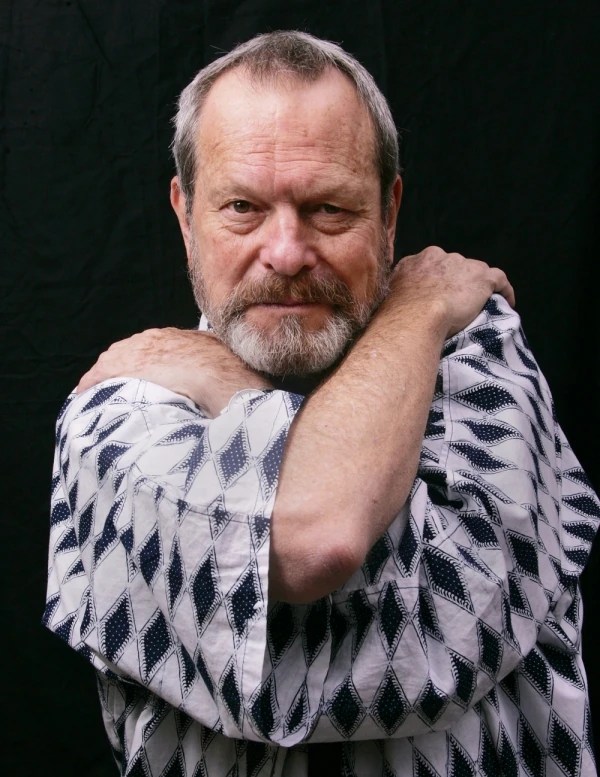
His takes on film school: “There’s so many film schools, so many media courses which I actually am opposed to. Because I think it’s more important to be educated, to read, to learn things, because if you’re gonna be in the media and if you’ll have to say things, you have to know things. If you only know about cameras and ‘the media’, what’re you gonna be talking about except cameras and the media? So it’s better learning about philosophy and art and architecture [and] literature, these are the things to be concentrating on it seems to me. Then, you can fly…!“
“Live and learn how to make films. I didn’t go to film school. I just watched movies in the cinemas. And probably my greater education was actually making films, so that’s all I would ever say: watch movies, get a camera, make a movie. And if you do it enough times, eventually you start learning how films are made.”
But I suppose one other thing to keep in mind is that other writers collaborated with him on his films. Michael Palin was the cowriter on Time Bandits, Tom Stoppard and Charles McKeowen were the cowriters on Brazil, Charles McKeowen on The Adventures of Baron Munchausen, Richard LaGravanese wrote The Fisher King, David and Janet Peoples wrote 12 Monkeys, Ehren Kruger wrote The Brothers Grimm, Charles McKeowen cowrote The Imaginarium of Doctor Parnassus, Pat Rushin wrote The Zero Theorem, Tony Grosoni cowrote The Man Who Killed Don Quixote, etc.
James Cameron, who has appeared previously in this blog had studied physics and English at a community college before before dropping out. Then, working as a truck driver did read up on filmmaking at the USC library.
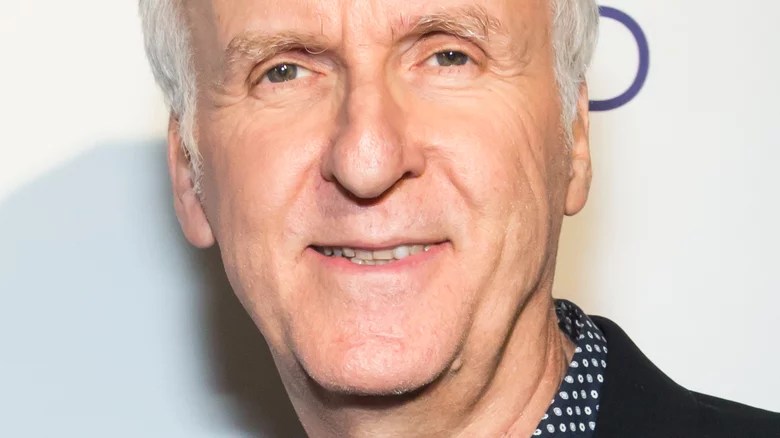
According to him: “One of the best things that happened to me was that I didn’t go to film school. … The main thing is just picking up a camera and making a film. People say, ‘How do you get to be a filmmaker?’ I say, ‘Go home, pick up your video camera, and make a film.’”
Quentin Tarantino actually dropped out of Middle School, and is famously known for working in a video store.
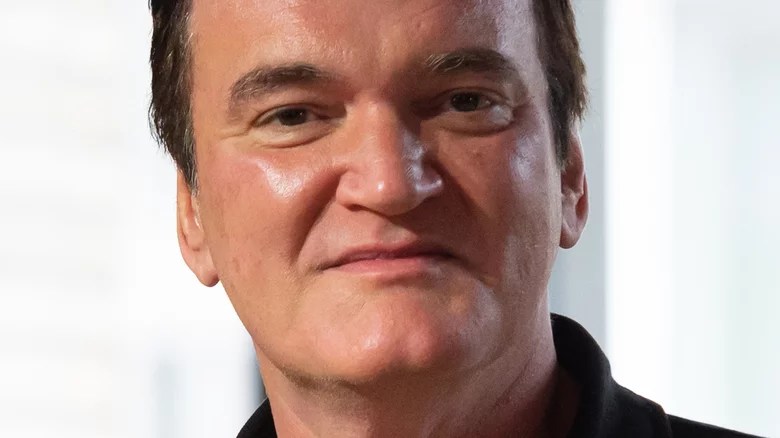
“Trying to make a feature film yourself with no money is the best film school you can do.”
“When people ask me if I went to film school I tell them, ‘No, I went to films’.”
Of course I’d get around to Stanley Kubrick. 🙂
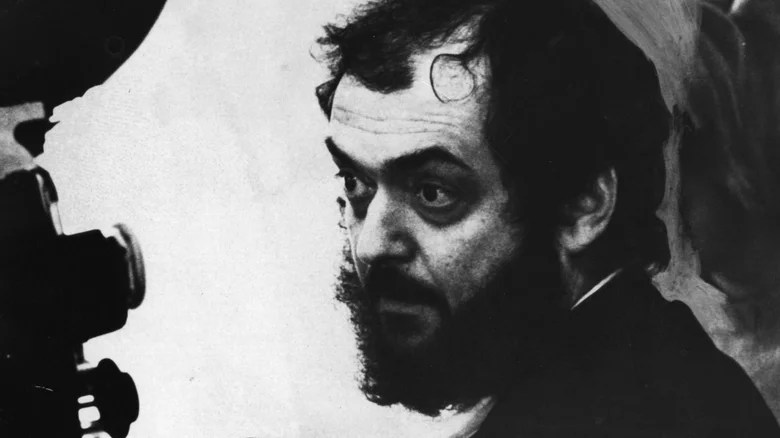
“The best education in film is to make one. I would advise any neophyte director to try to make a film by himself. A three-minute short will teach him a lot. I know that all the things I did at the beginning were, in microcosm, the things I’m doing now as a director and producer.”
Steven Spielberg dropped out of California State University when he had a chance to write and direct a film, although he actually finished his degree in Film and Electronic Media in 2002 (!).
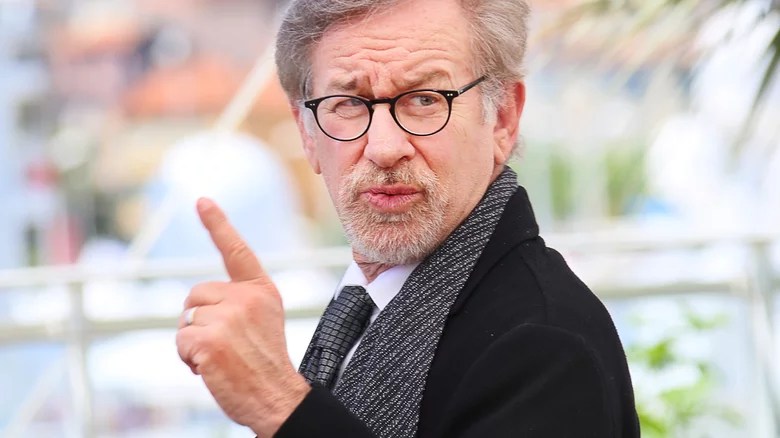
The Coen Brothers actually bridge both approaches. Joel got a degree in film and television from NYU but his brother Ethan got a philosophy degree from Princeton University.
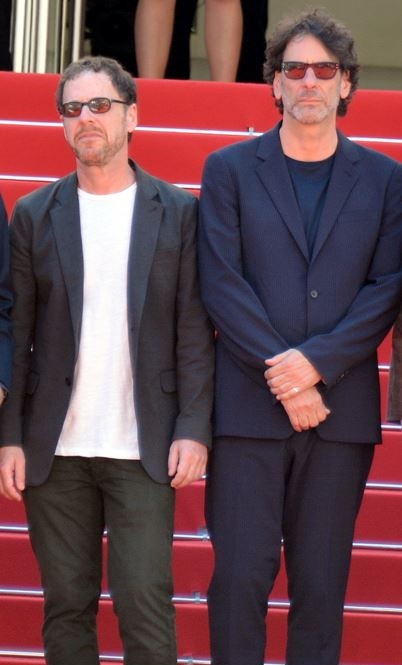
According to Ethan: “I definitely got a good education. … How it prepared me for what I’m doing, I have no idea. But that’s the liberal arts thing! I felt well served by the institution. It prepared me for … something.”
Genre director John Carpenter did go to film school at USC and went on to make classic films like Halloween, The Fog, Escape From New York, The Thing, Christine, Big Trouble in Little China, Prince of Darkness, They Live, In the Mouth of Madness, etc.
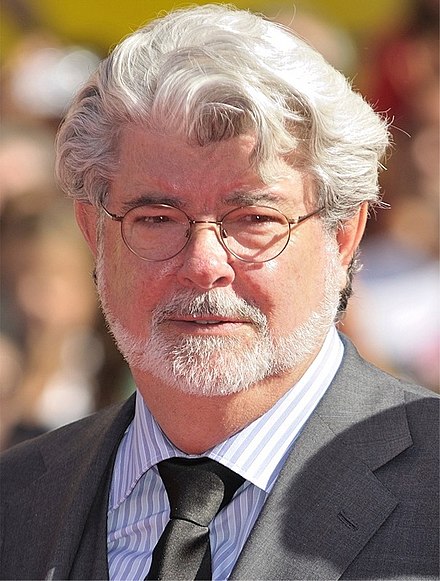
And George Lucas also went to film school at USC, but of course he never really amounted to anything. 😀
In a broader sense, having a well-rounded education, either from a formal school or from self-guided learning and work/life experience is a good foundation for anyone in the arts, I would think.
According to Jennifer Hollis, Admissions Director at Rutgers University-New Brunswick:
Liberal arts education is typically broad-based and exposes students to science, mathematics, social sciences, and humanities. This broad knowledge of the wider world will prepare you to deal with complexity, diversity, and change. A liberal arts education will also help you develop a strong sense of social responsibility as well as strong and transferable intellectual and practical skills, such as communication, analytical, and problem-solving abilities, and a demonstrated ability to apply knowledge and skills in real-world settings.
 Munedawg Communications
Leave a comment