

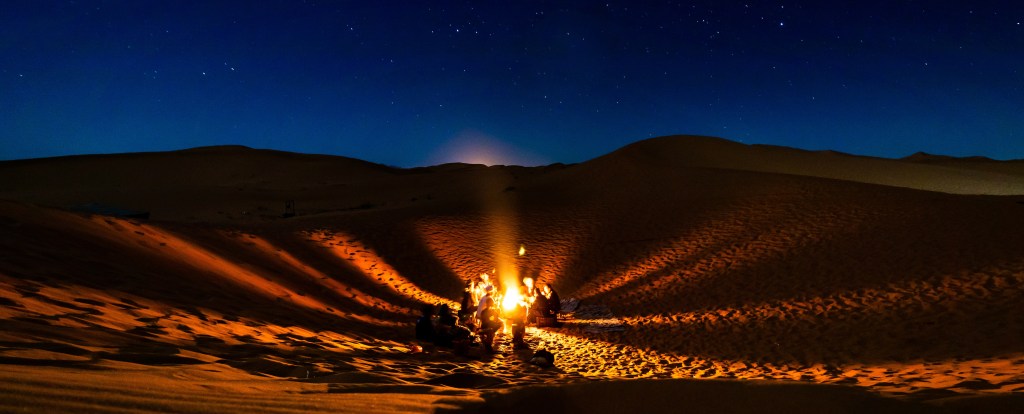

Not to frighten people too much since my last post, and I know I’m late on this, but further signs of unrest in this country…climate protestors blocking the highway near Burning Man with Tribal Rangers finally smashing through their barricade. As some have pointed out, the protestors could have set up an art installation within Burning Man and maybe the Rangers were too zealous in plowing through the barricade (they probably should have used bolt cutters to first cut the women from the frame etc.).
Actually though, if people actually wanted to live off the land, so to speak, you can try foraging in the wild areas of your location. I’d first suggest buying a nifty copy of a foraging guide for your local area.
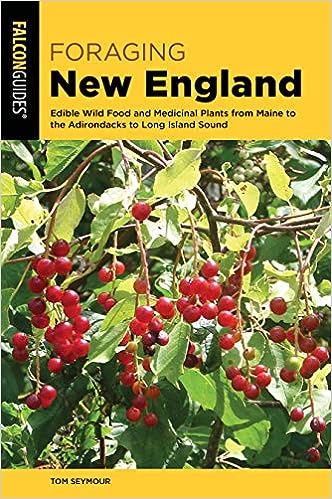
This particular one from Tom Seymour is pretty good, although some of his anecdotes are kind of goofy. Then as I alluded to in a previous post, get phone apps that are the high-tech way of identifying plants and fungi, supplanting them with apps that will aid in your further nature education that can identify birds, animals, insects, fish, and rocks/minerals. In my arsenal the one I tend to use most is the plant identifier Picture This and the mushroom identifier Picture Mushroom, supplanted by Plant Identifier For Trees. The bird one, Picture Bird, also is nifty because not only can you use the picture function but it has a bird song/call audio identifier.
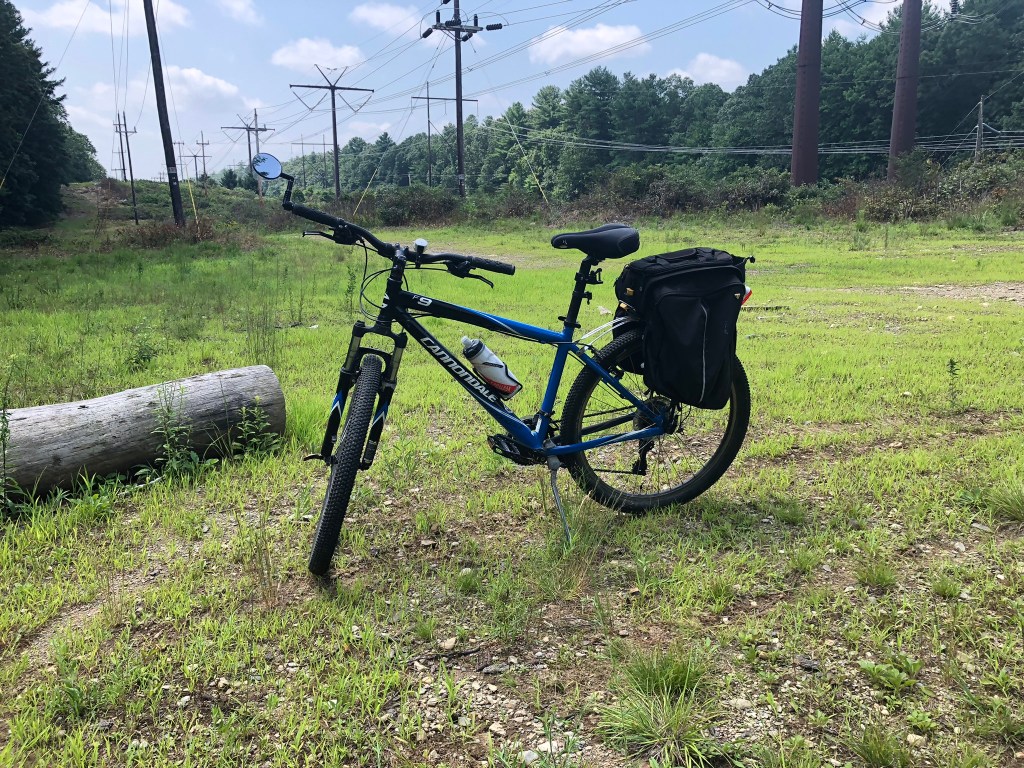
And of course you need a means of actually going out in the field. I mainly use a mountain bike but sometimes I go on foot as well.
And you need to bring along containers for all the goodies you will be collecting.
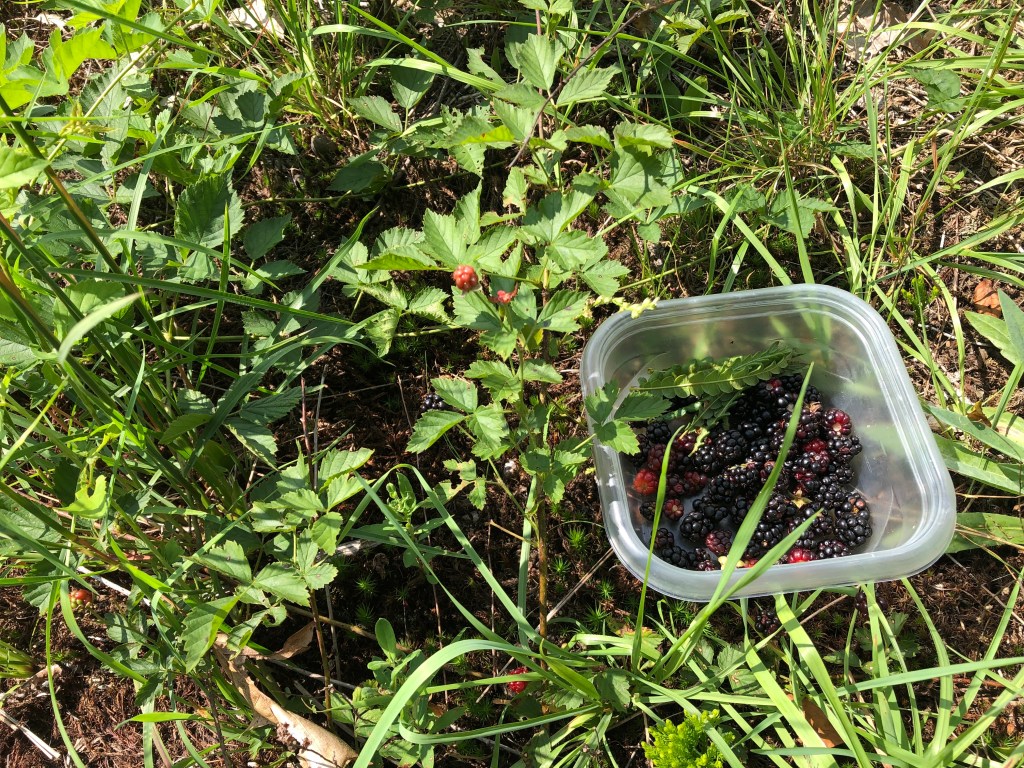
A Black Raspberry harvest.
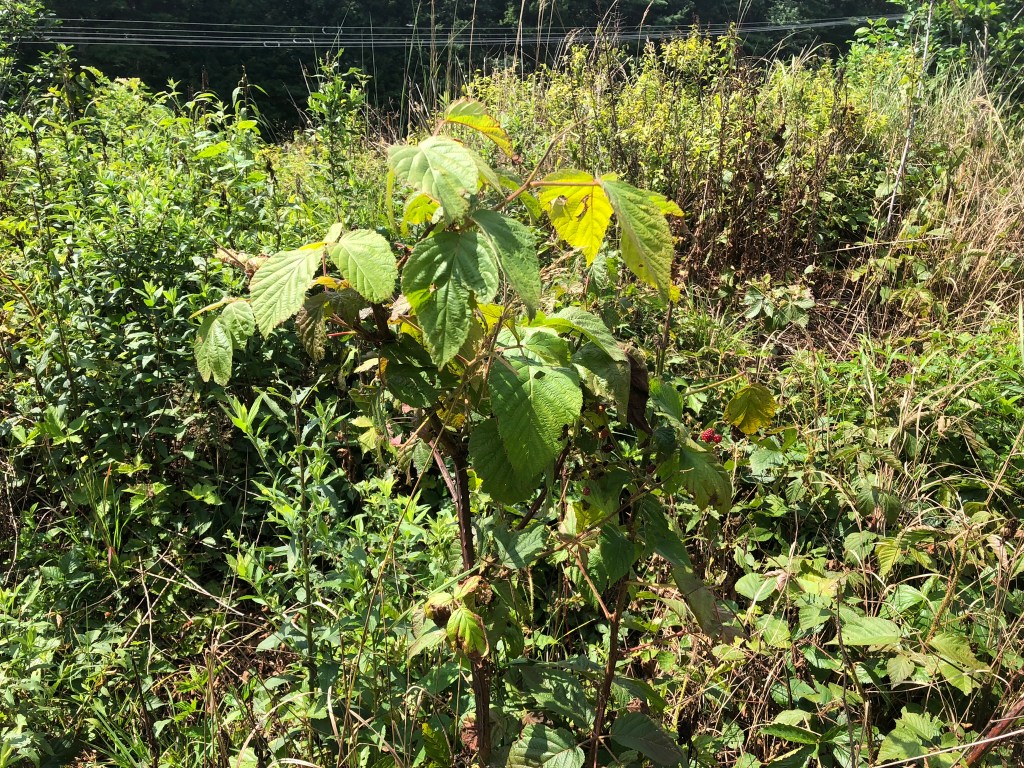
A (thorny) Blackberry bush.
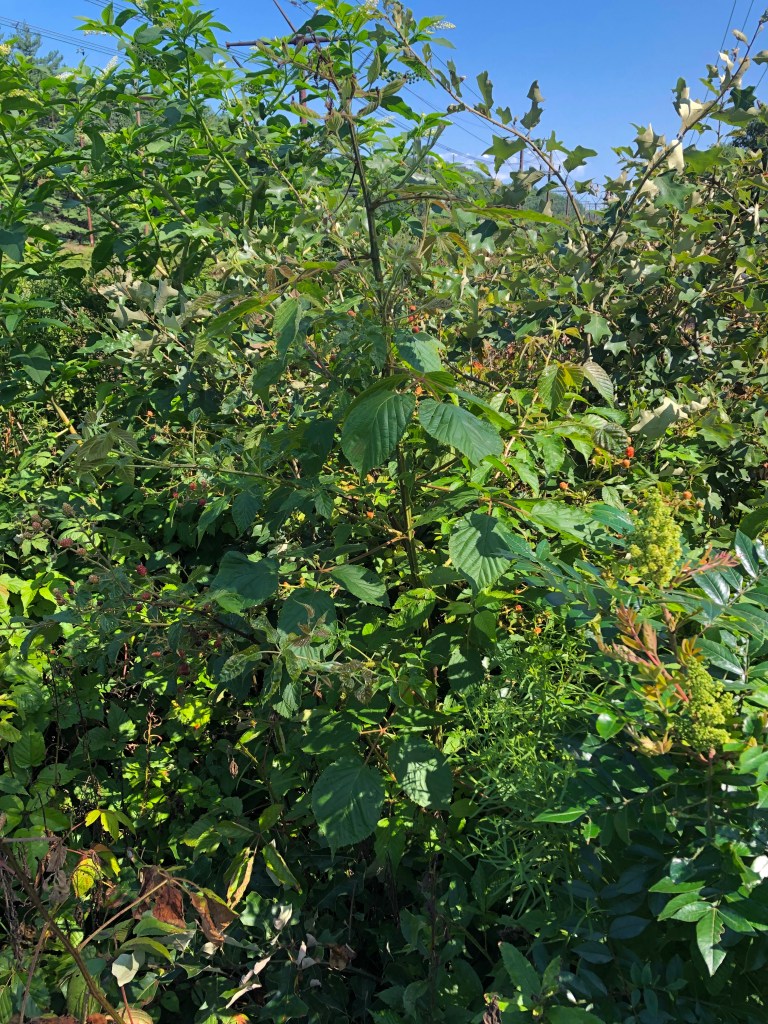
Now, most of the time I double check Picture This on the web to make sure it is making an accurate ident.
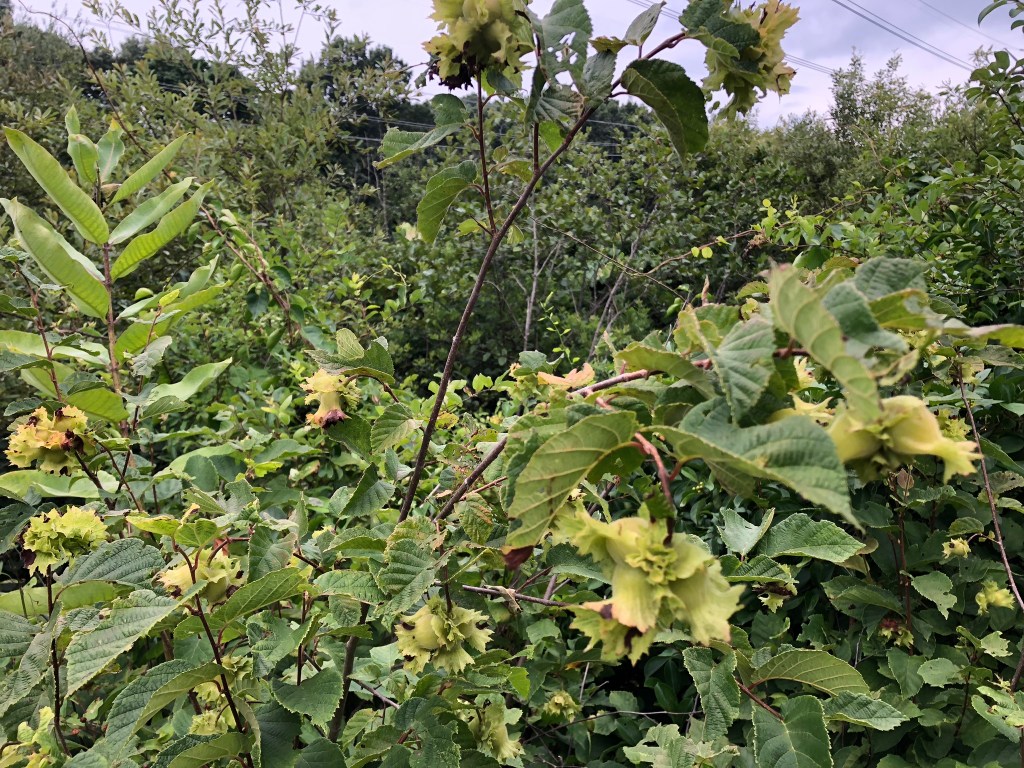
An American Hazelnut bush with distinctive seed pods.
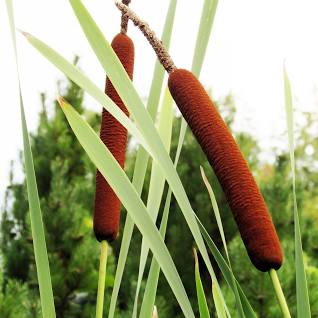
Cattails are considered a good survival food. The distinctive brown “corn” is the female flower assembly. The flower assemblies should be eaten earlier in the season. The stalks can be eaten at any time. although as I discovered they are tough and chewy later in the season.
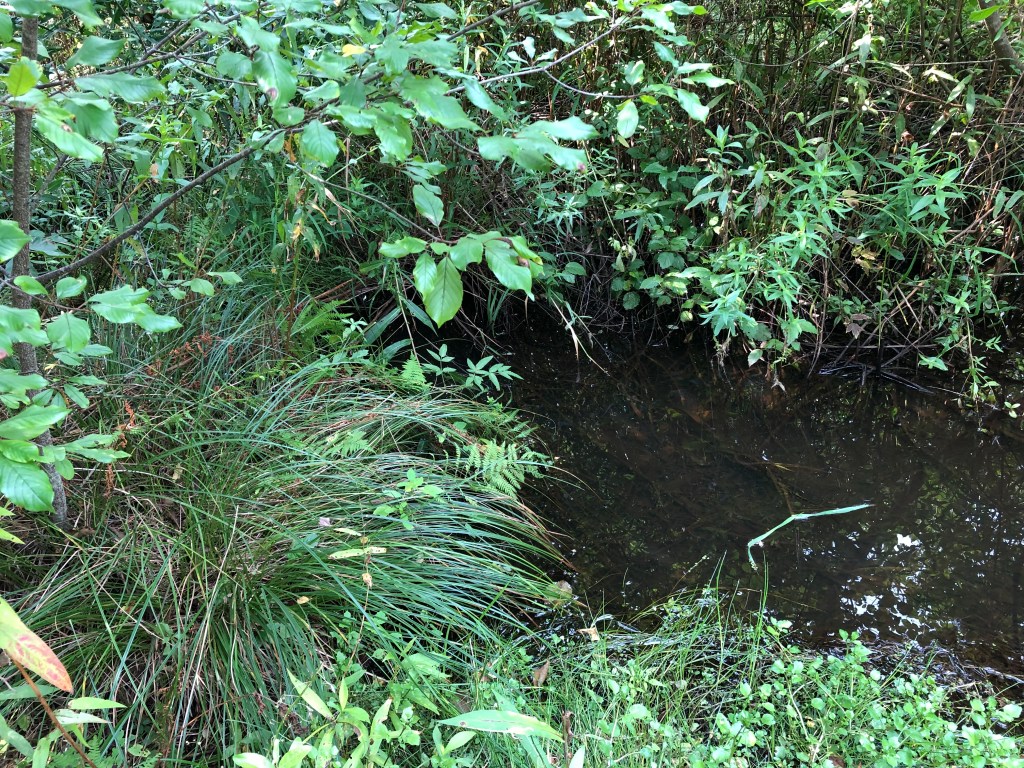
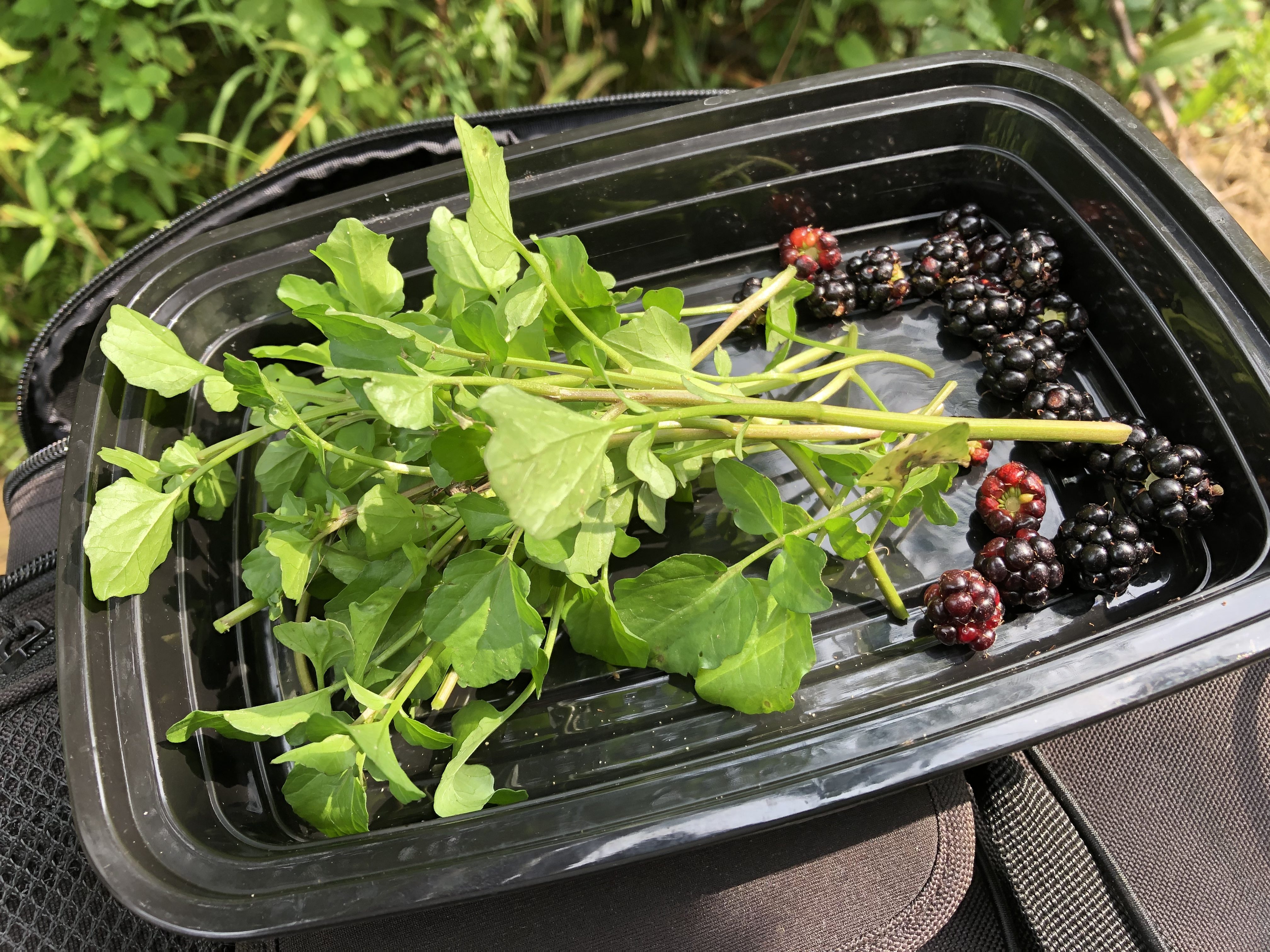
Watercress (at bottom of picture) growing near the same stream.
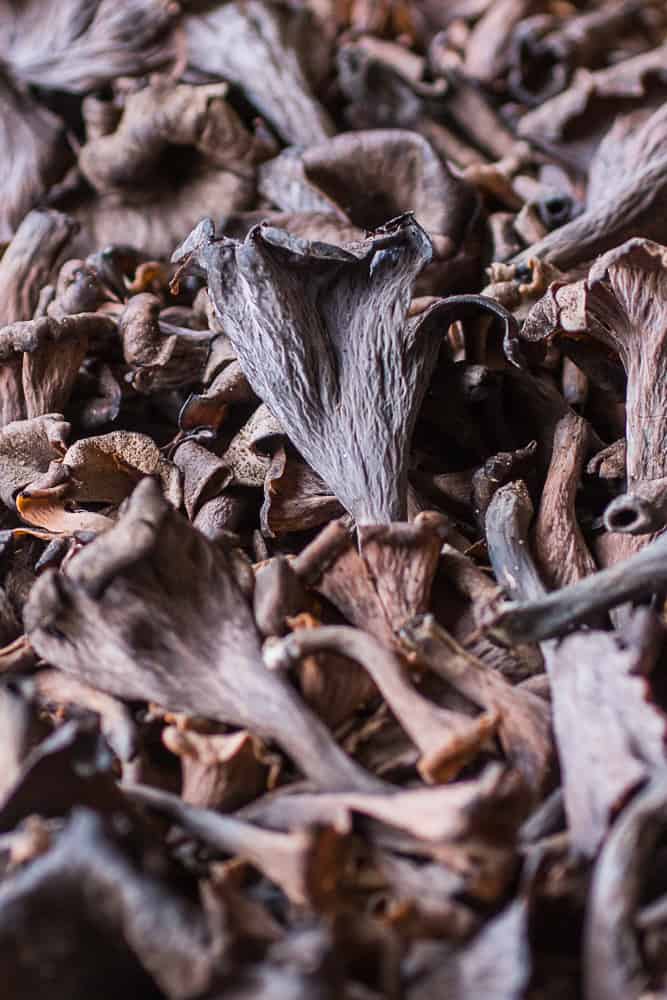
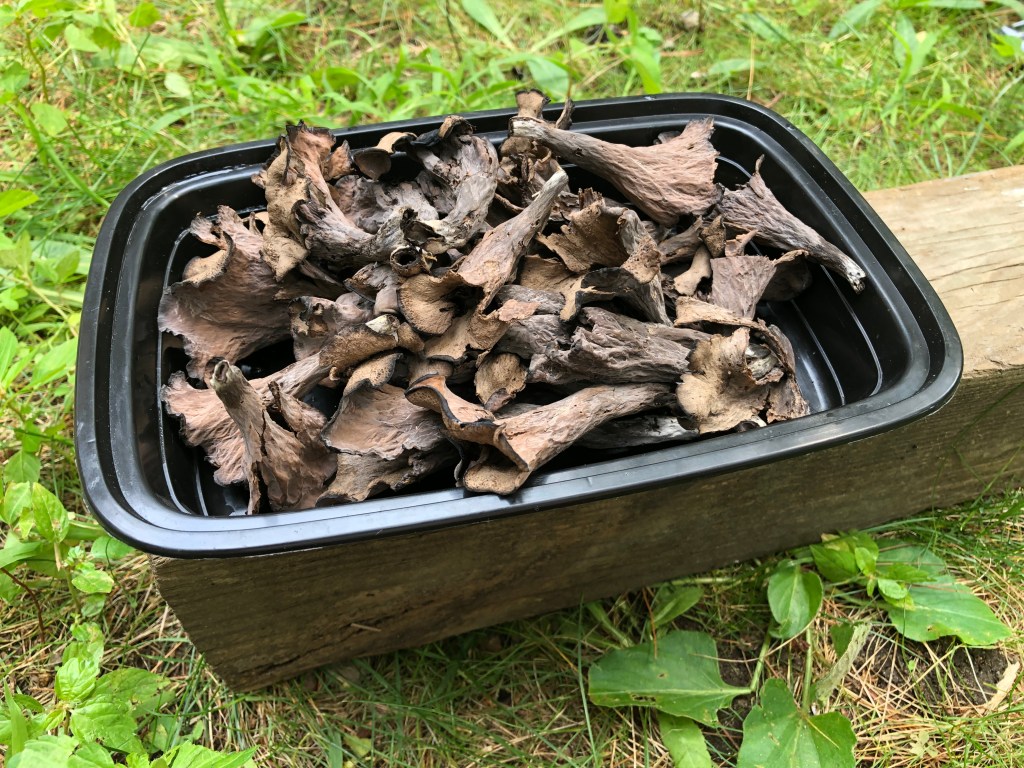
Which brings us to fungi. At first I was nervous about eating wild mushrooms, but I’ve found the Picture Mushroom app to be very reliable. And for the mushrooms, I triple check on the web just to make sure. And with mushrooms, looks/names can be deceiving. The so called Black Trumpets (or even “Trumpets of Death”) mushrooms are not only edible but are very tasty (to me they taste a lot like Portobellos).
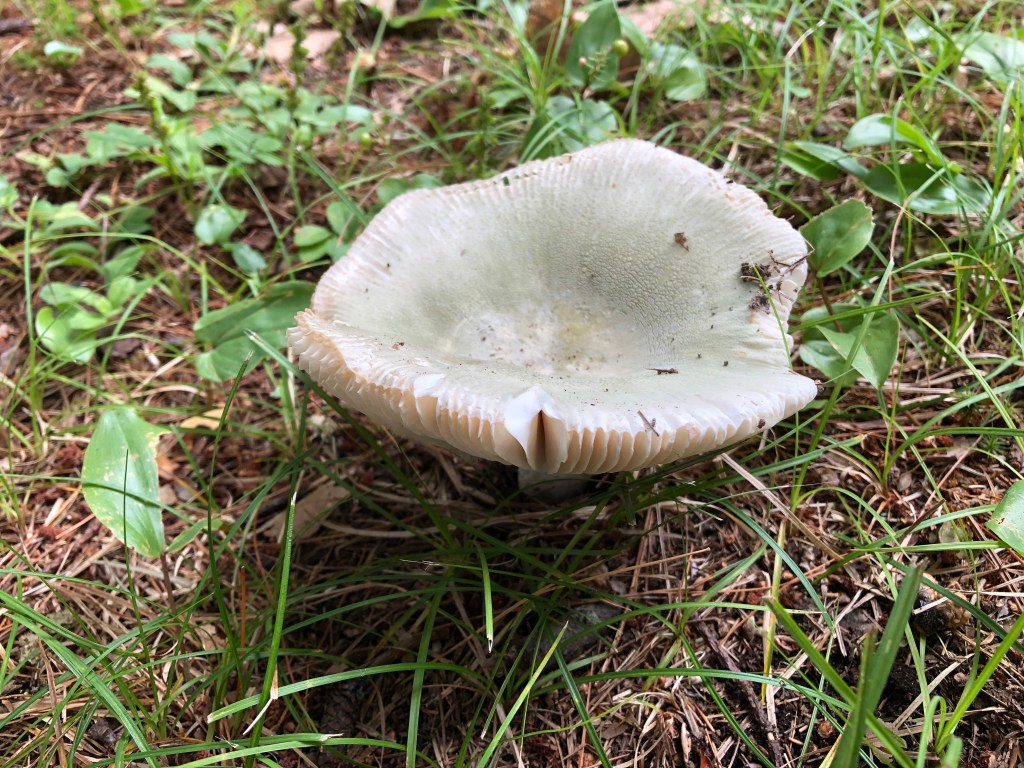
A sickly green looking but perfectly edible Green Cracking Russula.
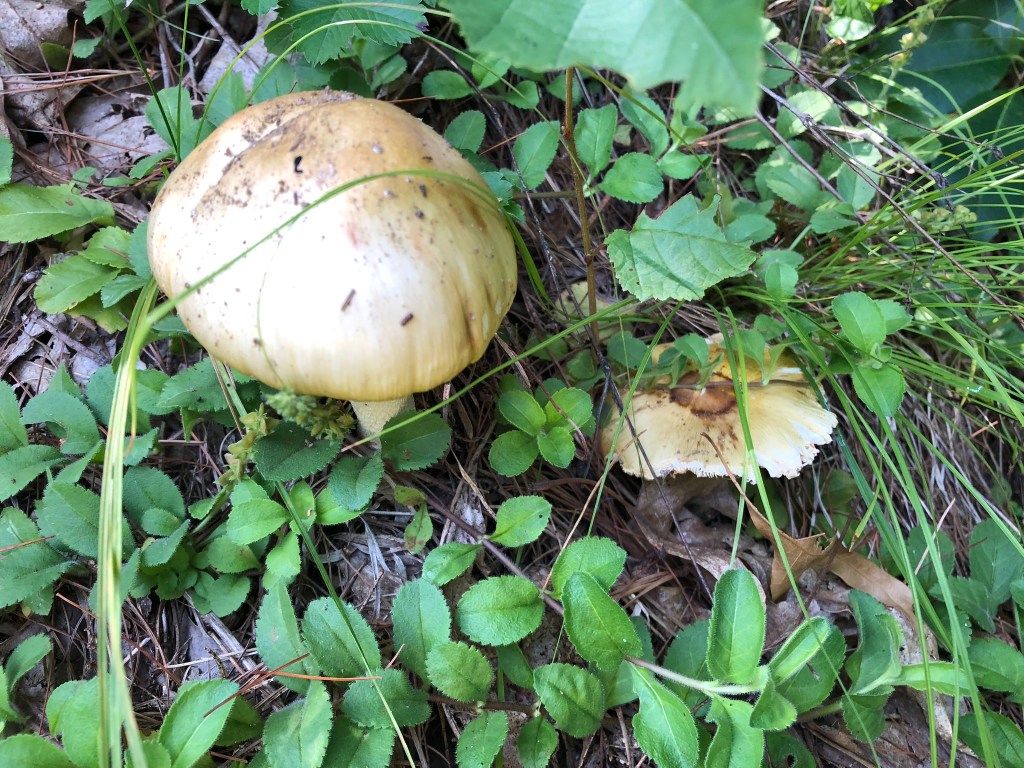
Warning, these next innocuous looking guys are actually the deadly Death Caps. DO NOT EAT! ☠️
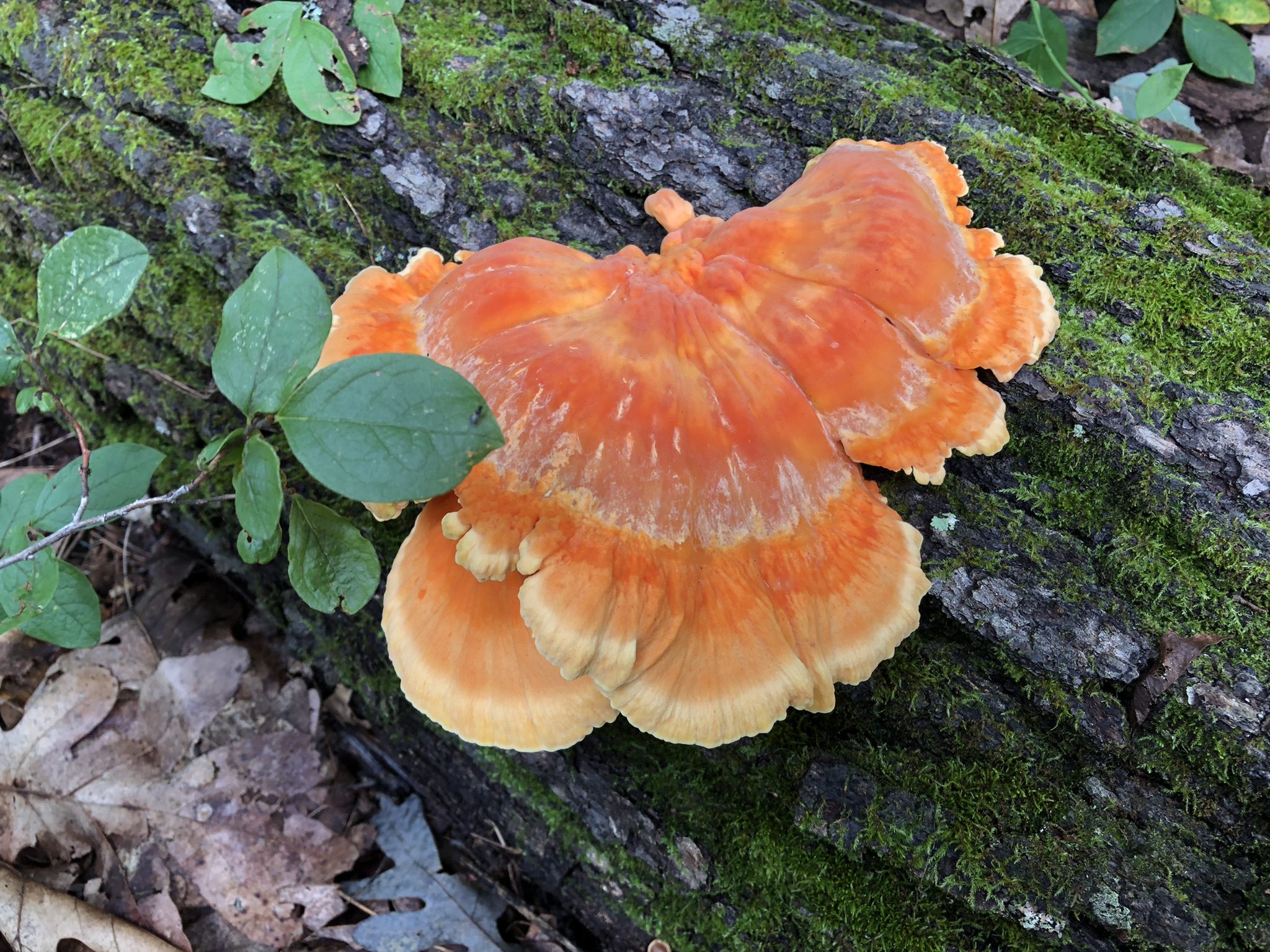
A striking and very edible Chicken of the Woods; it lives up to its name.
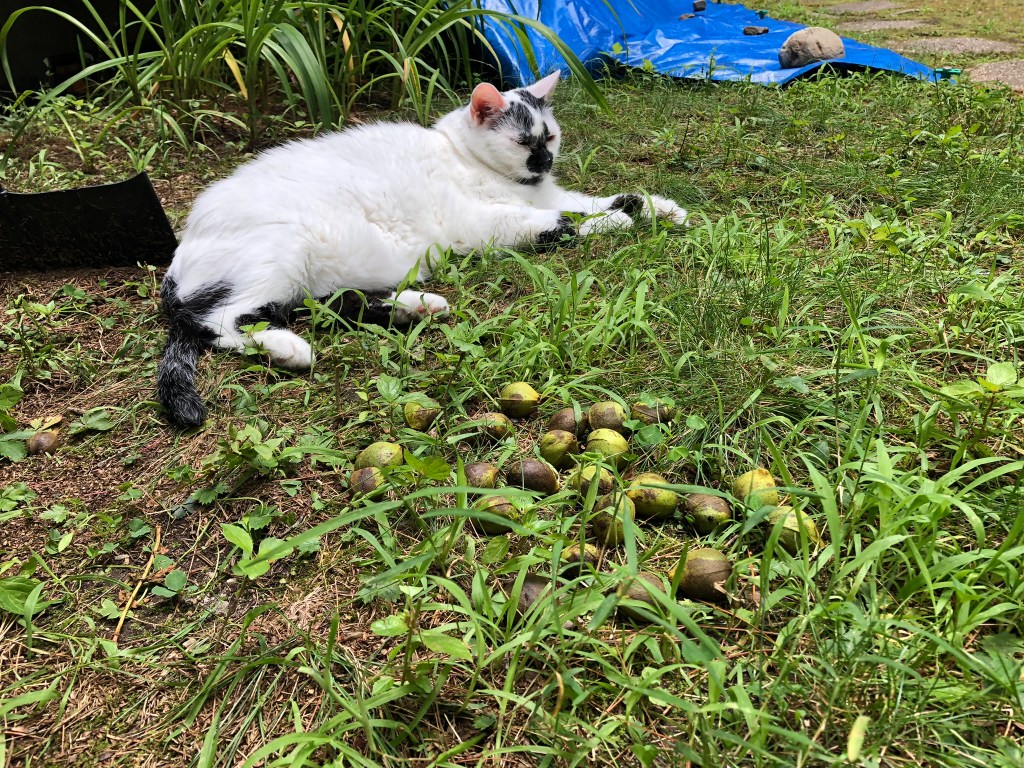
And actually cats can be trained to collect hickory nuts!
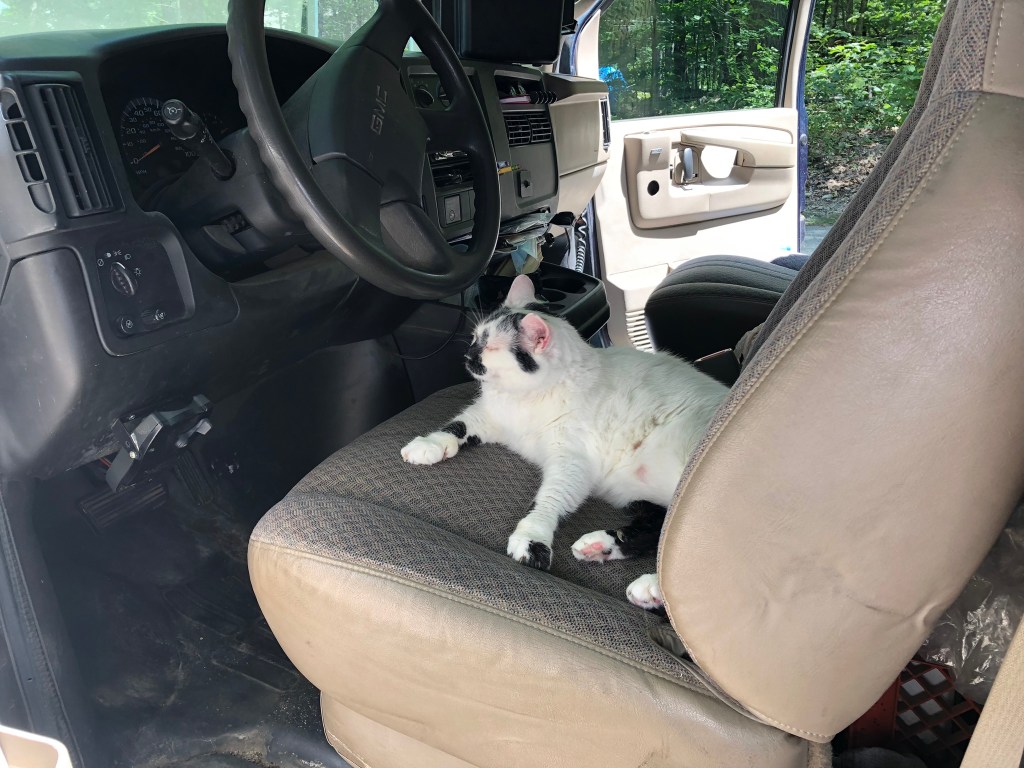
And drive vans as well!
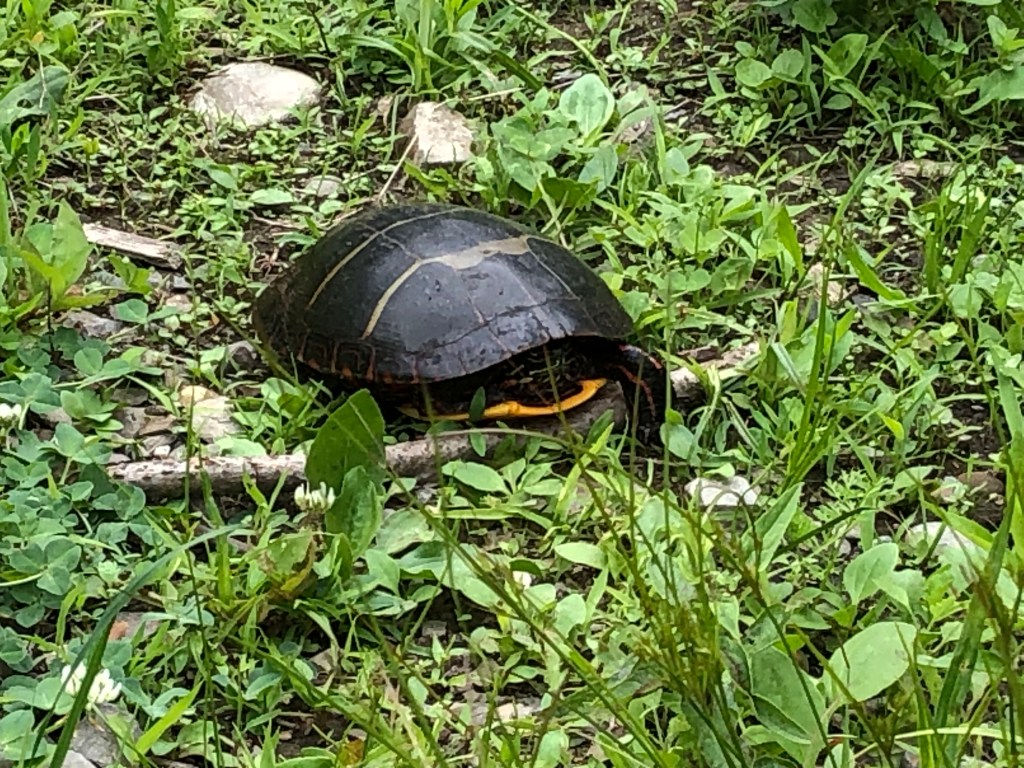
Among the many things that I like about foraging is that you are outside, learning about many things, and even meeting interesting critters.
I actually discovered that there is an area that is after a pond in my area that has crayfish living in it.
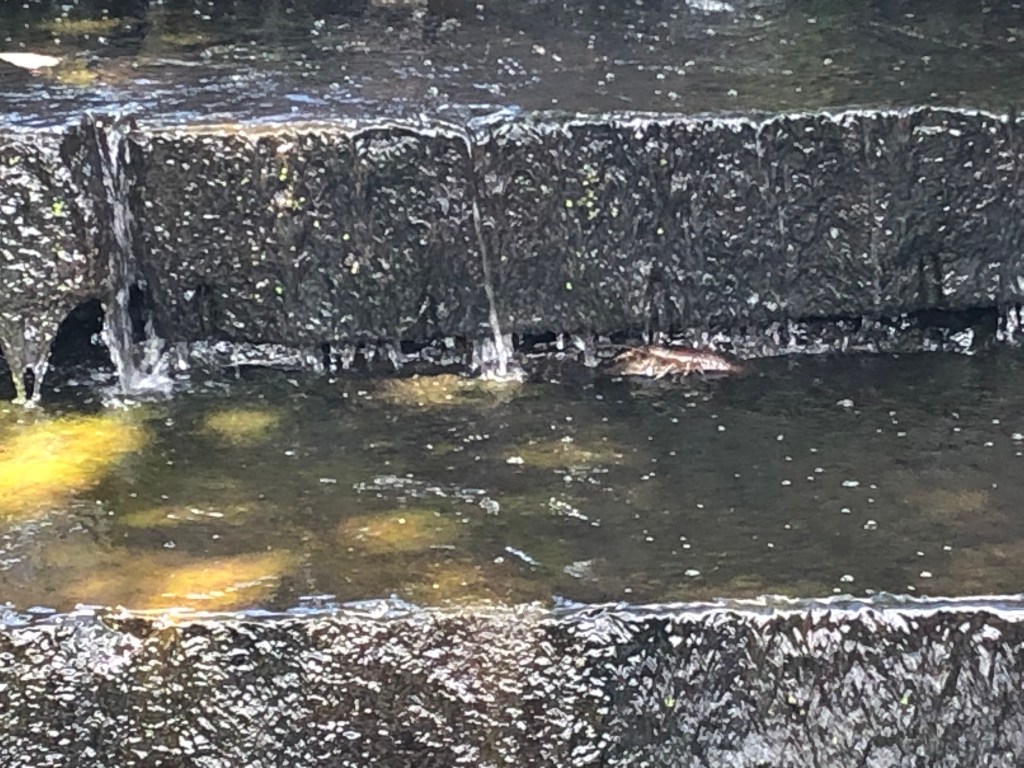
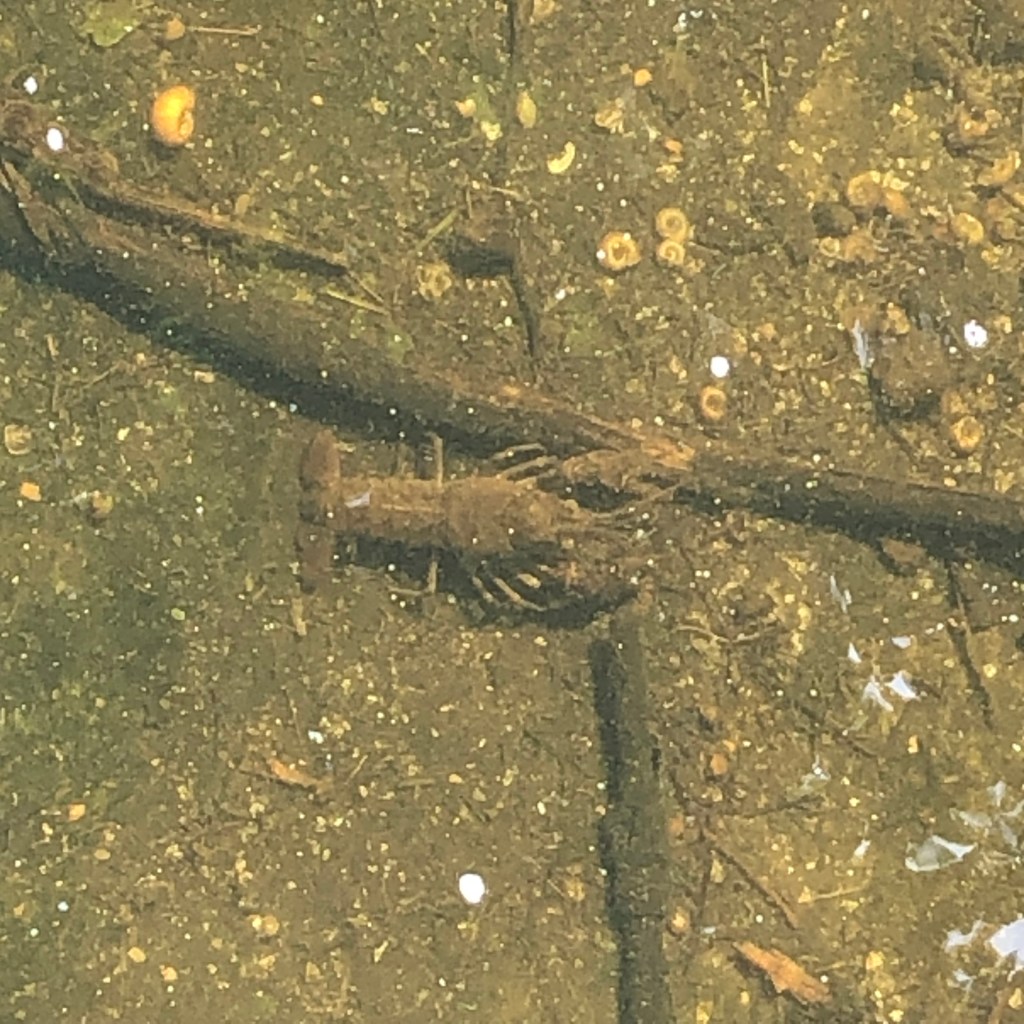
For the time being I’m leaving ‘em alone, but they are probably tasty after being boiled.
It is literally surprising all the food that is around us!
 Munedawg Communications
Leave a comment