


Back in 2009, James Cameron released the 3D extravaganza Avatar, launching a third resurgence of 3D movies (first wave: 1950s, second wave: 1980s/1990s, third wave 2010s, for more info: 3D film – Wikipedia).
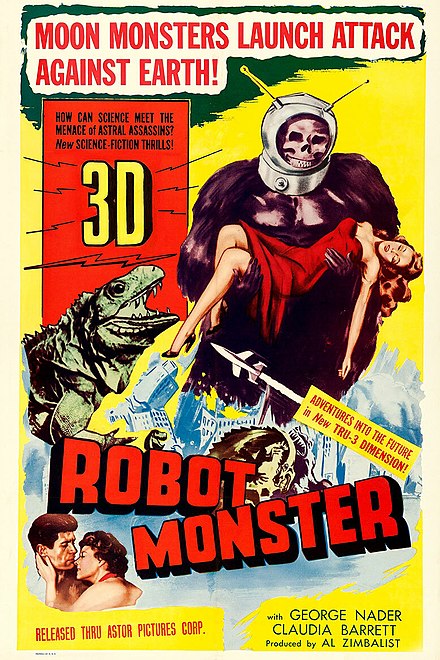
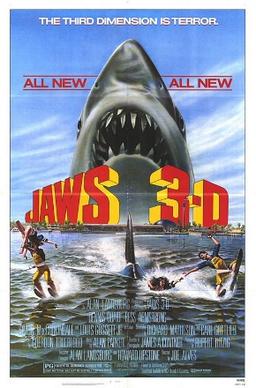
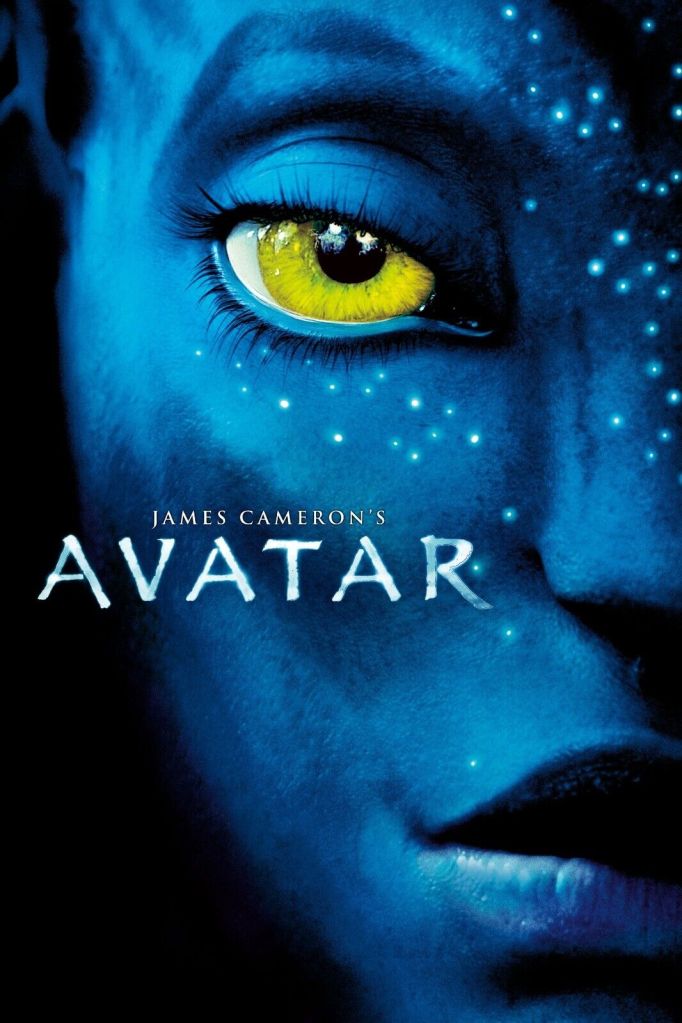
This created an avalanche of other films that were released in 3D. This, like any true avalanche, spiralled out of control and influenced many people/companies in the film and TV industry. In January 2010, the Consumer Electronics Show (CES) in Las Vegas had debuted a lot of TVs, Blu-ray players, and camcorders from manufacturers that were 3D capable. Then, in April 2010, the annual NAB (National Association of Broadcasters) show in Vegas had touted the event as “The Year of 3D”, and featured all sorts of products and workflows from vendors dealing with 3D production and distribution (2010 NAB Show report, Las Vegas :: Wetpixel.com). I have never actually attended NAB (yet), but in the past have enjoyed watching the show virtually streamed from a variety of websites. And a local SMPTE (Society of Motion Picture and Television Engineers) chapter hosts a “post NAB wrap-up” meeting in the studios of a local CBS affiliate (WBZ), and I always go to that. That year everybody seemed hyped up by the new 3D craze, except me and some other guy at the meeting. Even the Chief Engineer from the local ABC affiliate seemed to be entertaining the notion of converting their local newscasts into a 3D wonderland. Almost like an outside observer I could see that, at least at the time, how overblown and unrealistic it all sounded with the idea that most Americans were suddenly going to don 3D glasses to watch the local news, soap operas, crime procedurals, sitcoms, talk shows, movies, etc. on their TVs.


And like a lot of bubbles, this whole thing did burst, of course. Home consumers had to choose between anaglyph, polarized, active shutter, and head-mounted displays to view 3D content on their new 3D TVs. But there were also so-called autostereoscopic or “glassless” systems, that weren’t so obtrusive for the viewer.
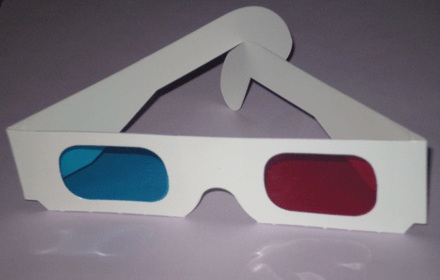
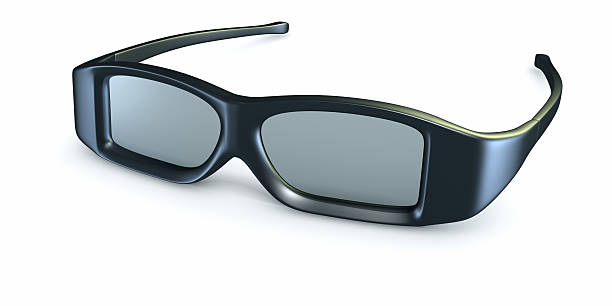
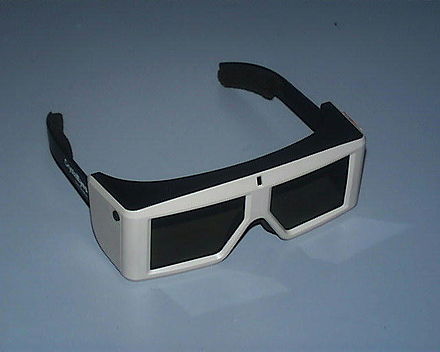
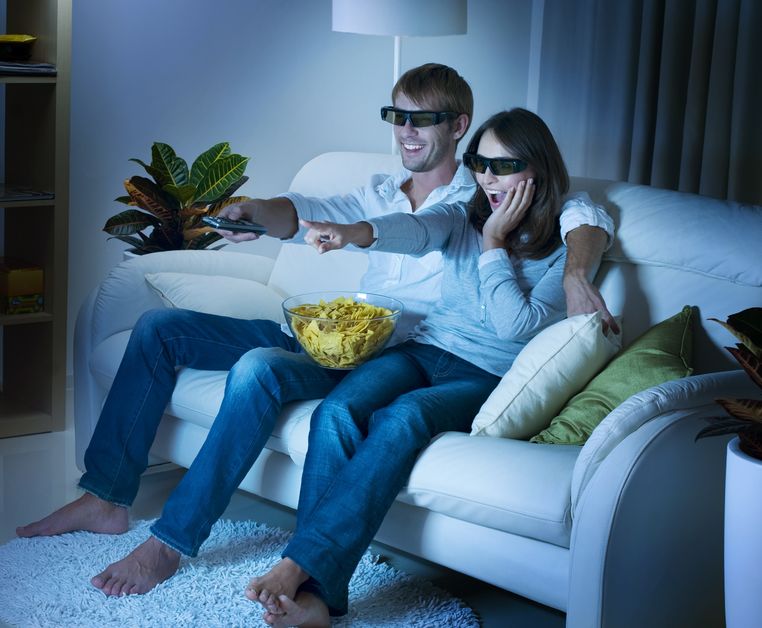
But in the end consumers did lose interest in this new technology, like a lot of trends that are probably ahead of their time. Sales of 3D TVs had been dropping and almost as quickly as the “boom” had started, it died in 2016 when all TV manufacturers dropped the 3D capability on their new TVs.
Personally I didn’t get into the whole 3D craze at the time even though I had bought one of first HD TVs and Blu-ray players, etc. I guess I was so happy with those innovations that 3D wasn’t really on my own wish list. And then I’m was so happy with all the streaming services and all they have to offer that again, 3D still didn’t become a big priority for me personally, for awhile.
But as usual James Cameron has brought 3D back into the forefront with Avatar: The Way of Water and just like the original film showed how effective 3D can be if done properly. And I agree with articles like this one: It’s Time to Make 3D TVs a Thing Again | WIRED. I think that if this new 3D revolution is to succeed, it must be done sort of soberly and not trying the shove the technology down people’s throats. 3D is of course excellent for enhancing movies, tv shows, sports, etc. and a major factor will be if a lot of it is a glassless experience. But as the Wired article points out, VR, although it obviously requires a headset (as for now), is going to be a part of some people’s home viewing experience and that is an interesting thing that will happen in the future. The Holodeck, anyone? 😉
 Munedawg Communications
Leave a comment