


No, not General Hospital, The Bold and the Beautiful, As the World (Stomach) Turns, Dallas, or Dynasty…but the prevalence of the motion smoothing “feature” on all new TVs, the so-called dreaded “soap opera” effect. Instead of getting better, it has become almost a visual pandemic, as far as I can tell! It seems that whenever I see a TV in public nowadays, it has motion smoothing turned on. And nobody seems to notice, or care, except me (and of course other video/film professionals). But on that note, there’s even a more scarier aspect. I was working at a TV station (an ION affiliate) when we got new flat screen TVs for our studio. We got a big LG TV for master control, where I worked, and a big Insignia TV for our lobby. Now the LG I was able to set up properly but the Insignia came as is from the store/factory with the motion smoothing enabled…and it looked like crap. But not only was I the only one in the entire station that was bothered by it, I was the only one who noticed. That was the sh*t level I was working at folks!
When I just stayed at a nice hotel, they have nice new LG TVs that are specially made for hotels in every room, with a Dish TV remote to control them. Now, all of them were set with the motion smoothing on, with no real ability for the guests to adjust the settings, which of course is what the AV staff/management want of course, but no way to “fix” the damn things.
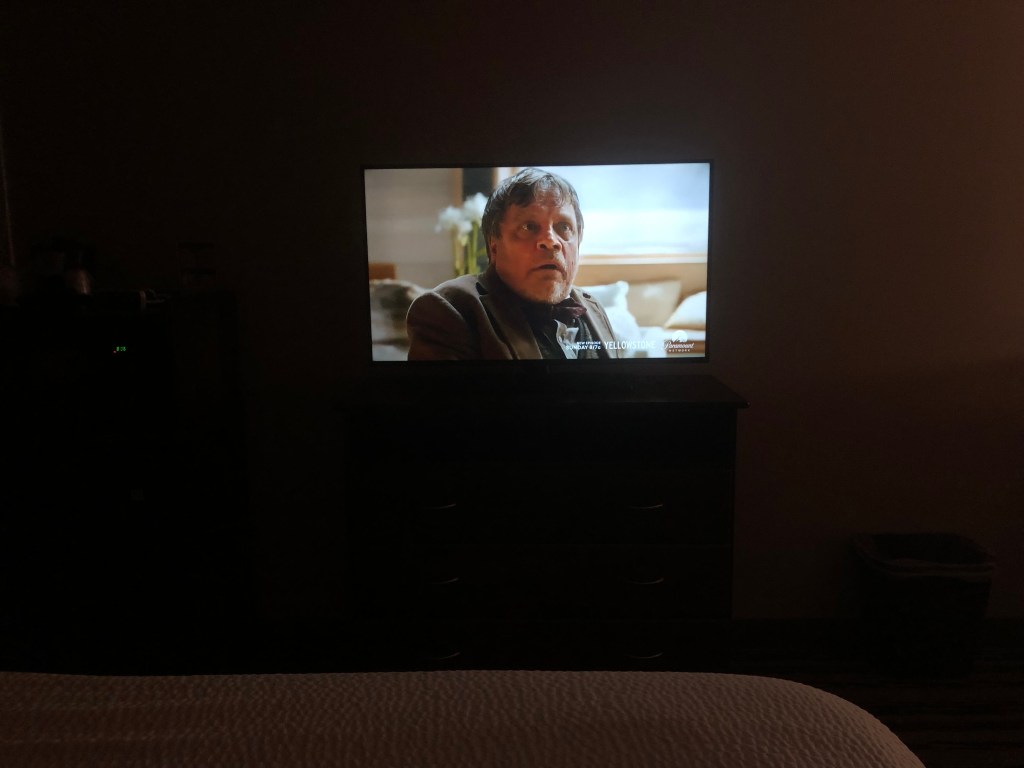
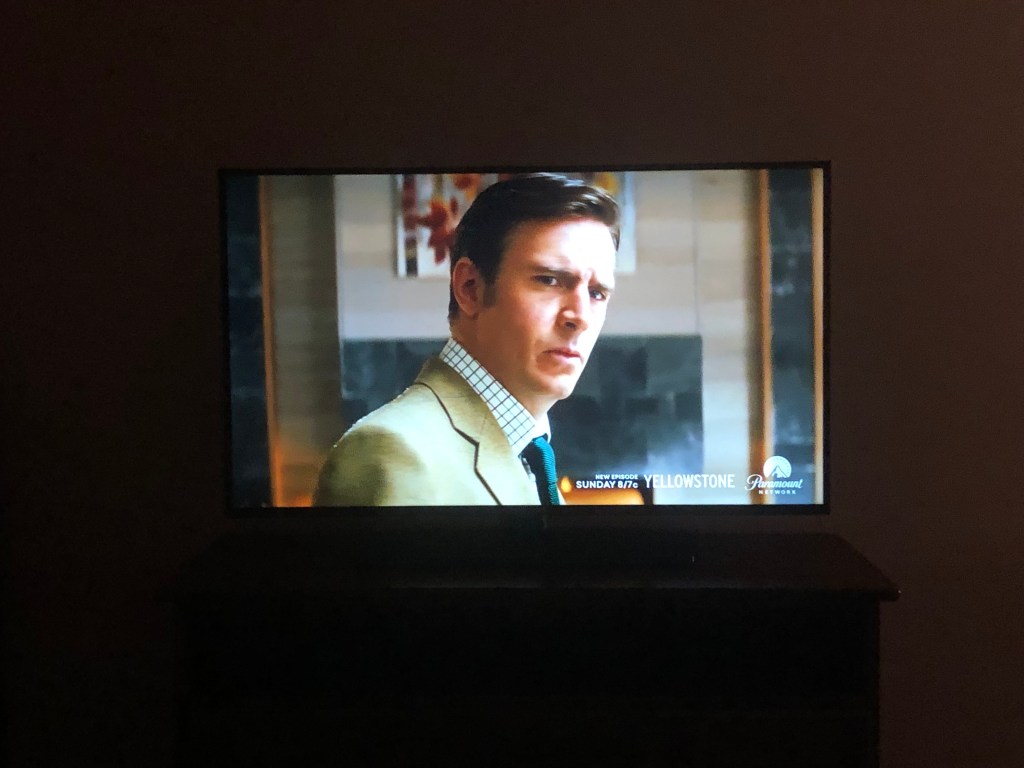
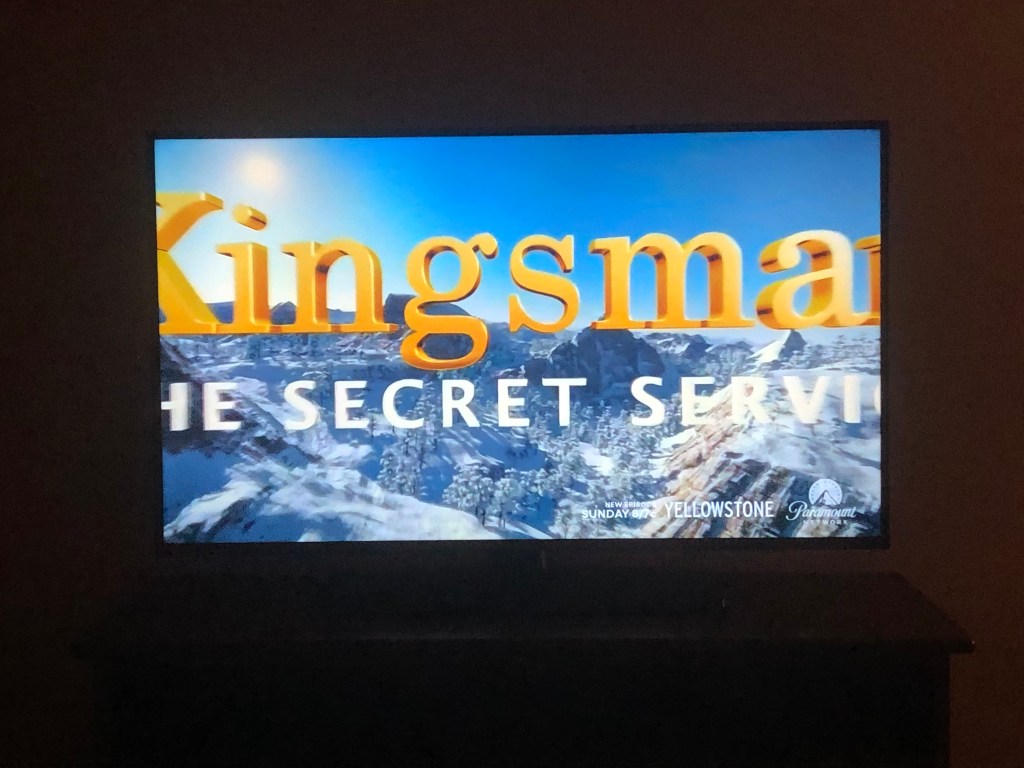
And to what is going on, well the following explanation from the web sums it up:
Motion smoothing, also known as image interpolation, is a TV feature that reduces blurring and ghosting in fast-moving images. It works by analyzing adjacent frames and inserting new frames to create the illusion of smoother motion.
Film is traditionally shot in 24 frames per second (fps) and U.S. TV (NTSC/ATSC) in 30 fps but these modern TVs can run at 60, 120, or 240 fps. But at least I’m really not the only one bothered by this. According to an article in Variety:
Theoretically, motion smoothing makes the film run faster and cleaner. In practice, the errors and visual artifacts it causes has made it extremely controversial, and many directors, filmmakers and critics have decried it as a technology that ruins film. In 2018, Tom Cruise and Mission Impossible: Fallout director Christopher McQuarrie released a public statement asking viewers to turn off the setting while watching their film at home. Directors as varied as Rian Johnson, Patty Jenkins, Martin Scorsese, Reed Morano, Karyn Kusama and Paul Thomas Anderson have all publicly expressed hatred of the technology. In 2019, several filmmakers announced a partnership with the UHD Alliance to develop a new “Filmmaker Mode” TV setting that is optimized for watching films at home. The filmmaker mode has been added to certain TV sets manufactured since 2020, though it is nowhere near as widespread as motion smoothing.
 Munedawg Communications
Leave a comment