

Yes, it is finally that time of the year again, one of the biggest holidays in the Christian calendar next to Easter. Me and my brethren are celebratin’ in our primitive wolf fashion, even though the holiday promises good will to all men, I decided to extend it to us in the animal kingdom as well.
Of course Christmas is a celebration of the Nativity of Jesus Christ.
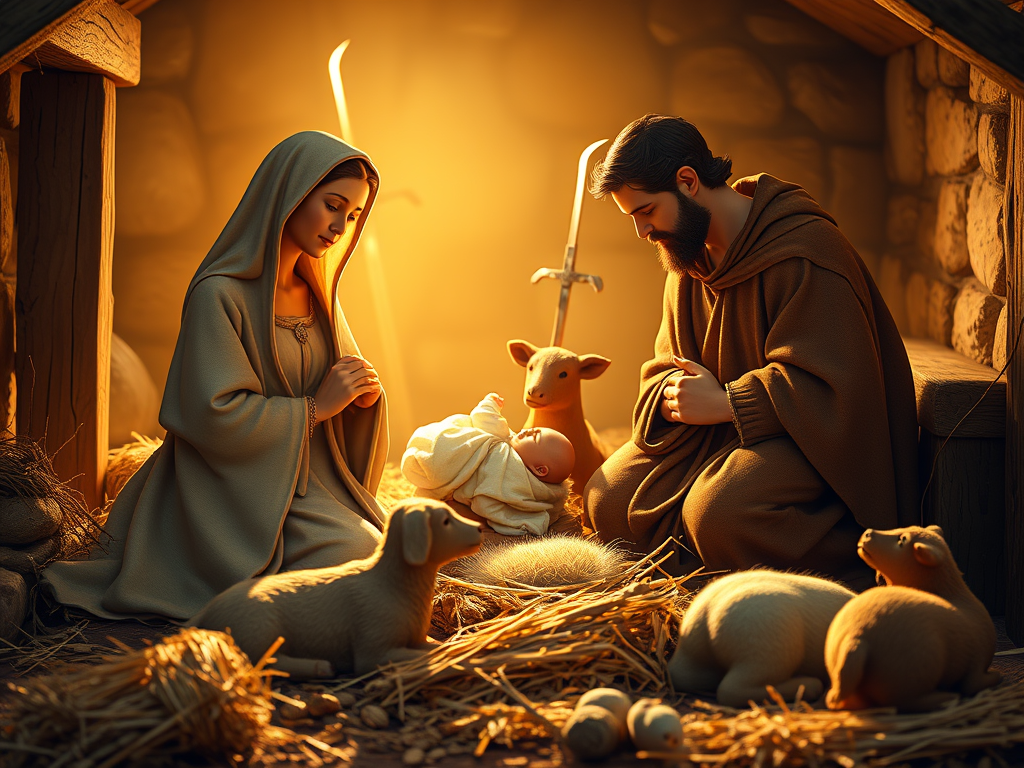
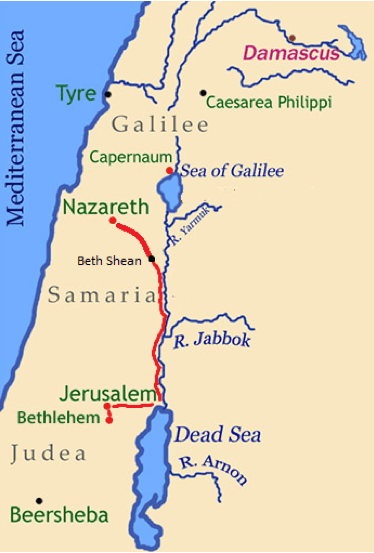
The main sources of the Nativity story are derived from the Gospels of Matthew and Luke from the New Testament of the Bible. Both are thought of as part of the “synoptic Gospels” because they contain many of the same stories and themes. The Gospel of Matthew (derived from Koine Greek: Ματθαῖος) is the first book of the New Testament. The authorship has been attributed to the Apostle Matthew although some modern biblical scholars reject this and attribute it to a second generation Christian writer or writers living in the last quarter of the first century. According to this Gospel, Mary (derived from Koine Greek: Μαρίαa) is a descendant of Abraham and David and is impregnated by the Holy Spirit (a part of the Trinity, the Lord and Giver of Life) in what is known as the virgin birth. In Matthew, Mary and Joseph already live in Bethlehem when Jesus is born. The place of his birth is a stable at an inn, and a “manger” is actually the animal trough that serves as Jesus’ crib. Believe me I didn’t know this until I did this deep dive, but that’s why I love writing these blog entries, I learn so many new things! The visitation of the Magi are only mentioned in Matthew, not in Luke. Historically the Magi are from the Persian Zoroastrian religion that depicts the universe as a dualistic cosmology ruled over by the supreme being Ahura Mazda, a benevolent all-wise deity who is opposed by Angra Mainyu, a destructive evil deity. But of course (at least to me) this brings up the question of why would Zoroastrians want to worship the “King of the Jews” and a Messiah of Yahweh when they would believe in Ahura Mazda? And in the Gospel there is no mention of their names, origins or even their exact number; these were all later Christian embellishments. And the famous gifts of gold, frankincense, and myrrh are probably the gifts normally given to a king in those days, but again begs the question was Jesus sent to Earth to be a savior of all humankind or just the Judeans?
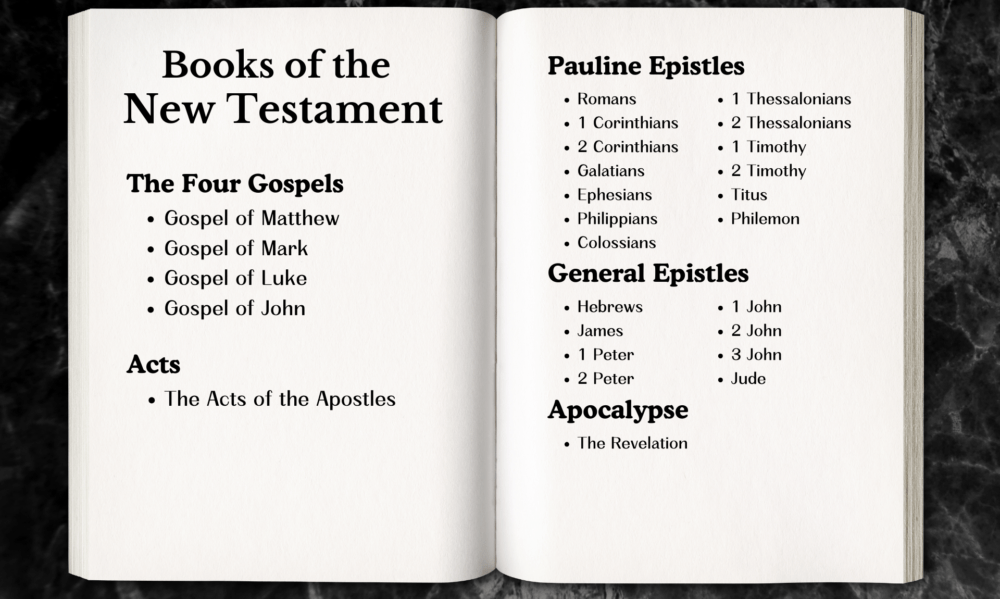
In the Gospel of Luke (Greek: Loukanos, a disciple of the Apostle Paul) there are some contradictions with the Nativity as presented in Matthew. In this version Joseph and Mary travel from Nazareth to Bethlehem to be counted in a Roman census, but a lot of the themes are the same.
Christmas has been celebrated in the Gregorian calendar on December 25th, of course. But there have been questions to when the birth of Jesus really was. Some scholars have speculated that it might have been in March or September. It is true that 12/25 was the traditional date of the Winter Solstice in the Roman calendar and was the Roman festival of Dies Natalis Solis Invicti, commemorating the birth of Sol Invictus, the “Invincible Sun God”.
As for the true spirit of Christmas, I do think we need to look at the teachings of Jesus, of course. Marianne Williamson, author, speaker, political activist, and former spiritual leader of a Unity Church in Warren, Michigan, has written many inspirational books, including The Mystic Jesus: The Mind of Love.
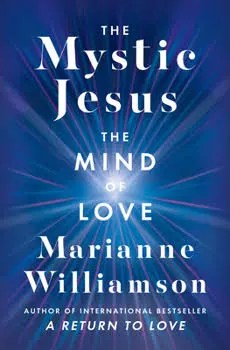
I like a lot of her observations:
With all the churches that have been built in the name of Jesus, and all the wars that have been fought in is name, why is there so little love in his name? With roughly a third of humanity professing devotion to Jesus of Nazareth, why is the world such a desperately sorrowful and violent place for so many of the world’s inhabitants.
And…
We will not stop war or environmental degradation or world hunger or rampant addiction or any of the stresses that plague us today until we address the inner dynamics-the perversions of the heart-that give rise to them. The problem of world hunger, for instance, is not hunger itself; the problem is that the people of the world find it tolerable that a child should starve. There is no dearth of food. There is only a dearth of willingness to put love for our fellow human beings before our acquiescence to a system that in essence doesn’t care if children starve. Global poverty is a symptom, not a cause. Its cause is our collective disconnection from adherence to the principles of a moral cosmos. That Jesus works with us on the level of cause, on the plane of consciousness, does not make him less relevant but even more relevant to the practical concerns of humanity today.
Good sentiments, indeed. 🙂
And what about Santa Claus/Saint Nicholas, where does all this later stuff come from? Surprisingly Saint Nicholas of Myra lived between 270-343 AD, an early Christian Bishop of Greek descent from the maritime city of Patara in Anatolia (now known as Turkey) in the Roman Empire.
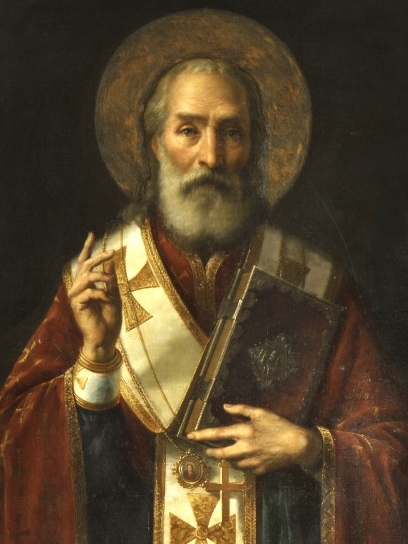
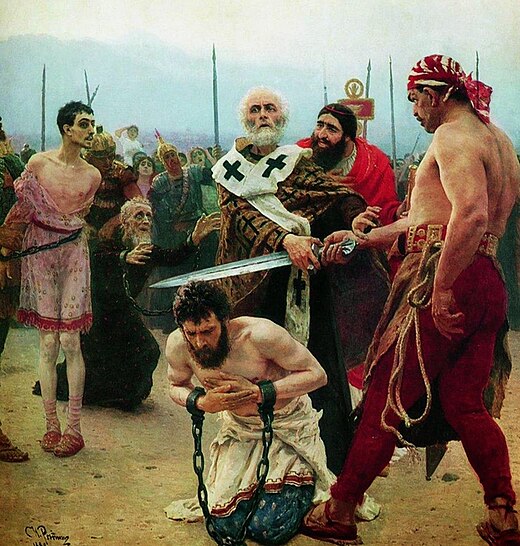
In his most famous exploit, he is said to have rescued three girls from being forced into prostitution (! 🤨) by dropping a sack of gold coins through the window of their house each night so that their father could pay a dowry for each of them. So that’s the Christmas present tie-in, so in addition to gold, frankincense, and myrrh you get married off to the next door greedy neighborhood schmuck who has lusted after you during your entire childhood!
Santa Claus then evolved from Dutch traditions of Saint Nicholas (Sinterklaas). According to Wikipedia:
Saint Nicholas is the patron saint of sailors, merchants, archers, repentant thieves, children, brewers, pawnbrokers, toymakers, unmarried people, and students in various cities and countries around Europe. His reputation evolved among the pious, as was common for early Christian saints, and his legendary habit of secret gift-giving gave rise to the folklore of Santa Claus (“Saint Nick“) through Sinterklaas.
And then the colony of New Amsterdam brought good old Saint Nick to the New World.

And Christmas trees?

The tradition of Christmas trees comes from Central Europe, particularly Germany, Estonia, and Latvia, where Protestant Christians brought trees into their homes and decorated them.
On a more local level, I have been enjoying the various Christmas decorations around town.
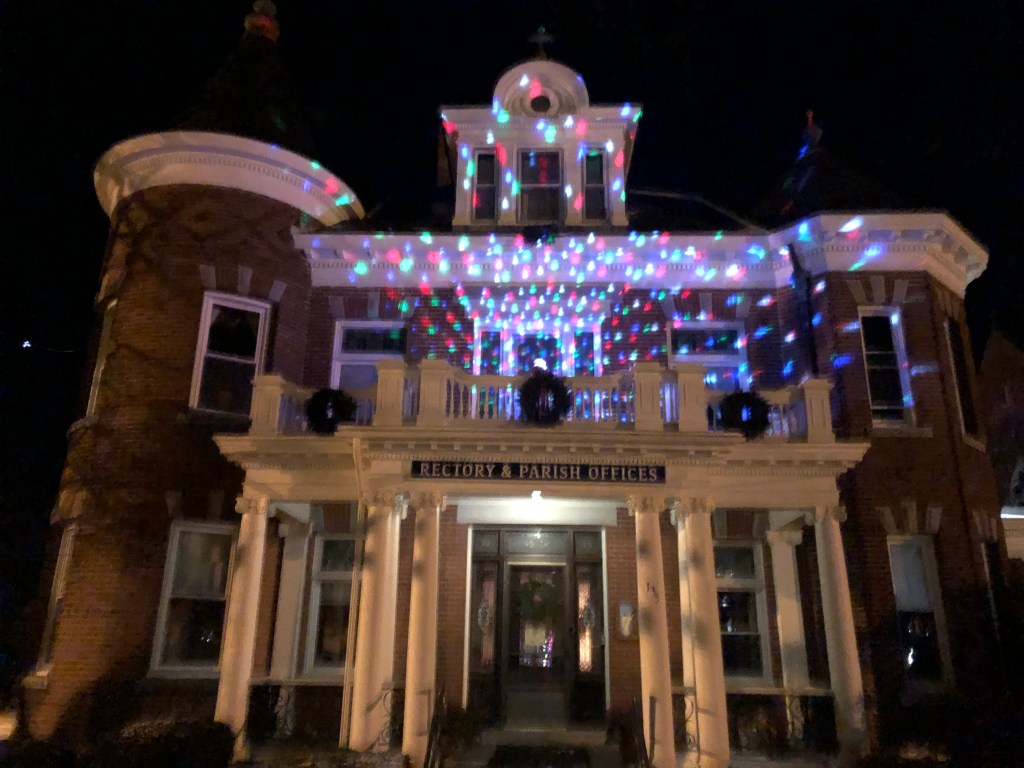
Even the occasional “Griswold House.”





And I enjoyed going to a local Christmas party; very festive!
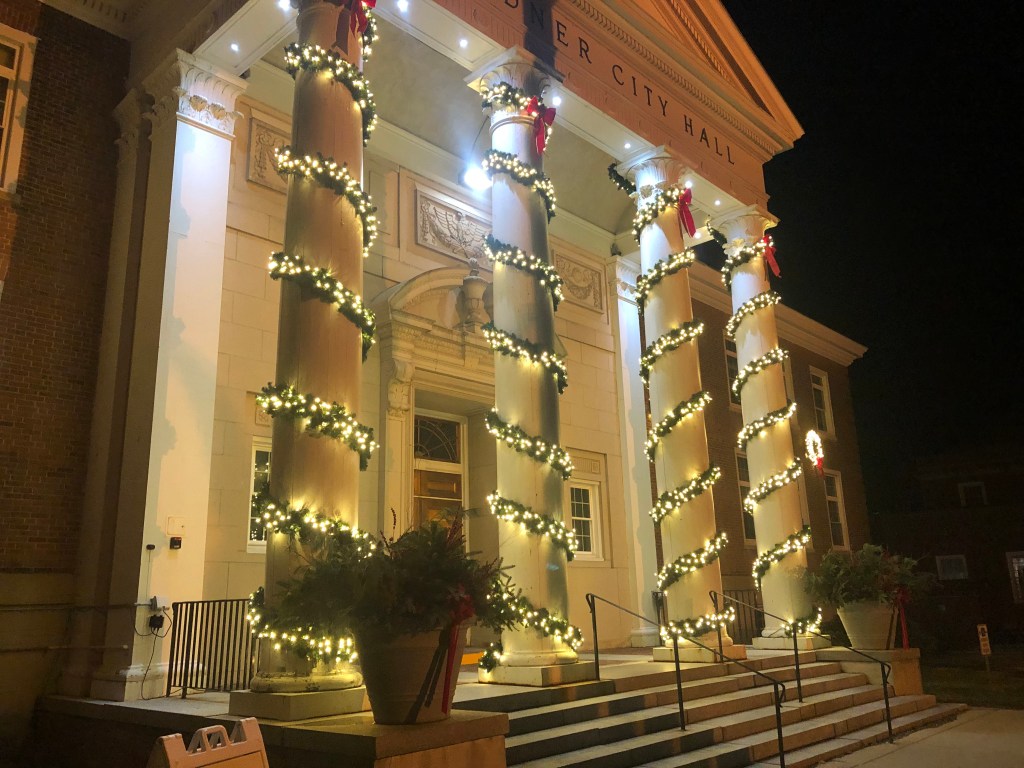
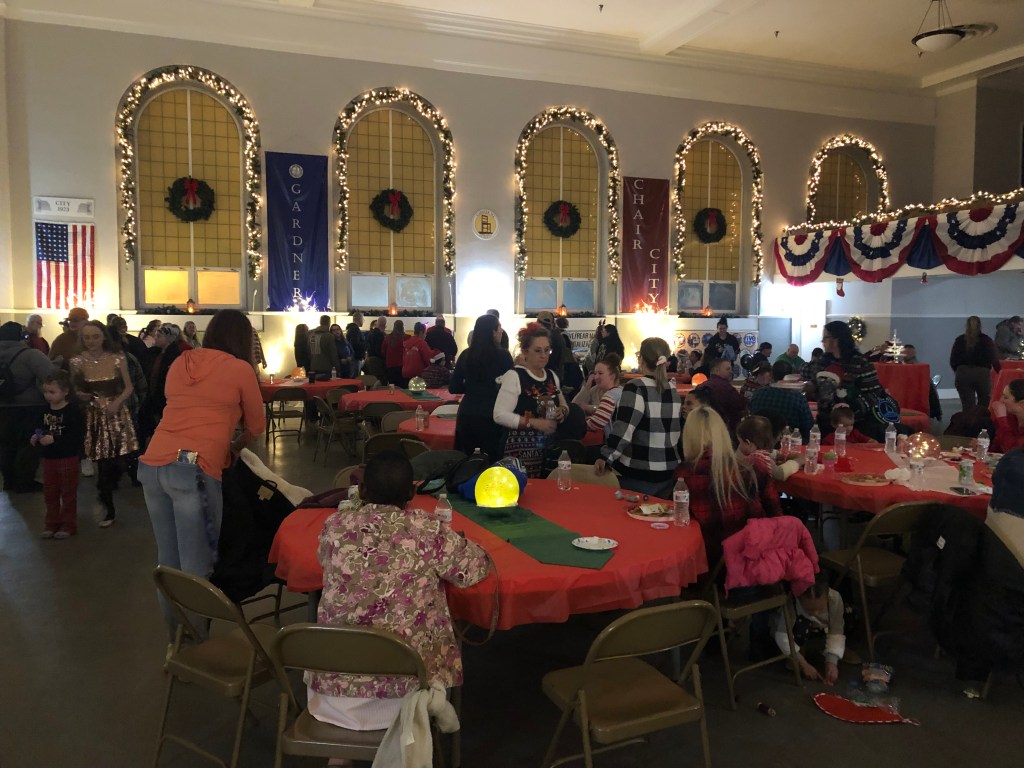


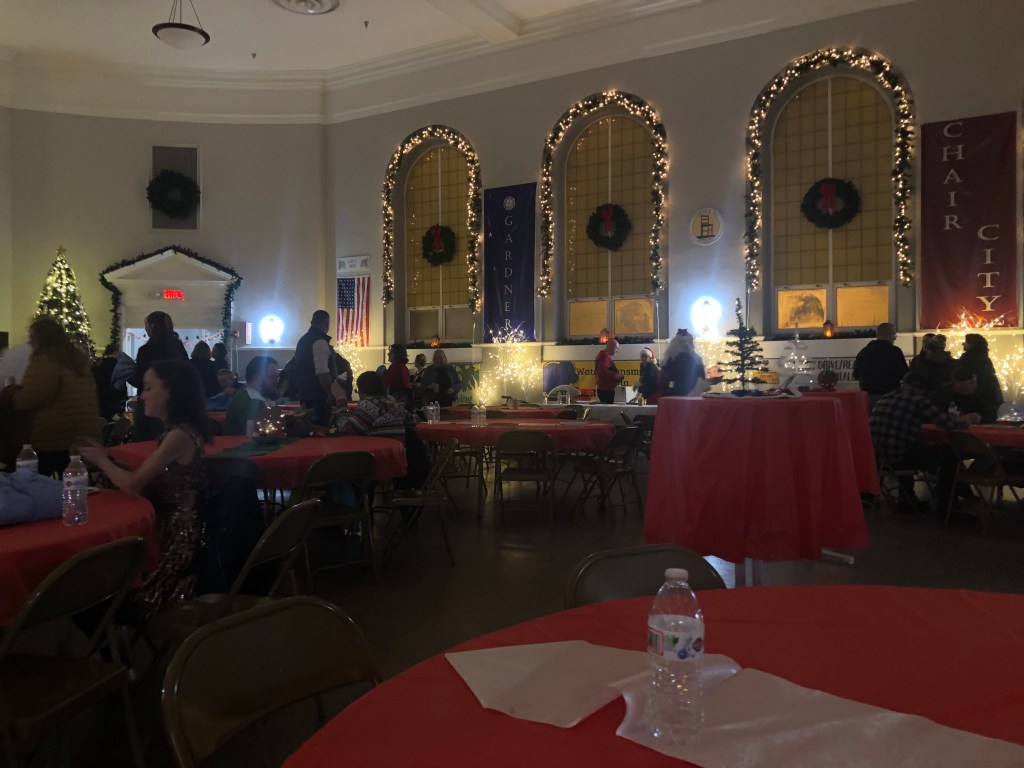

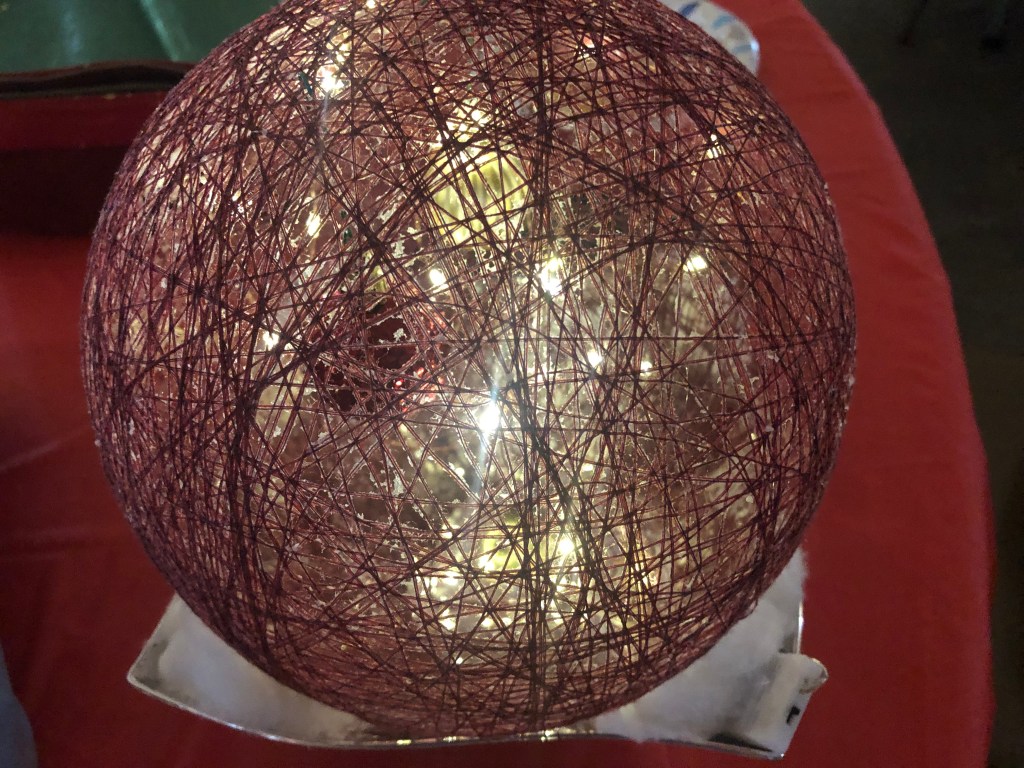
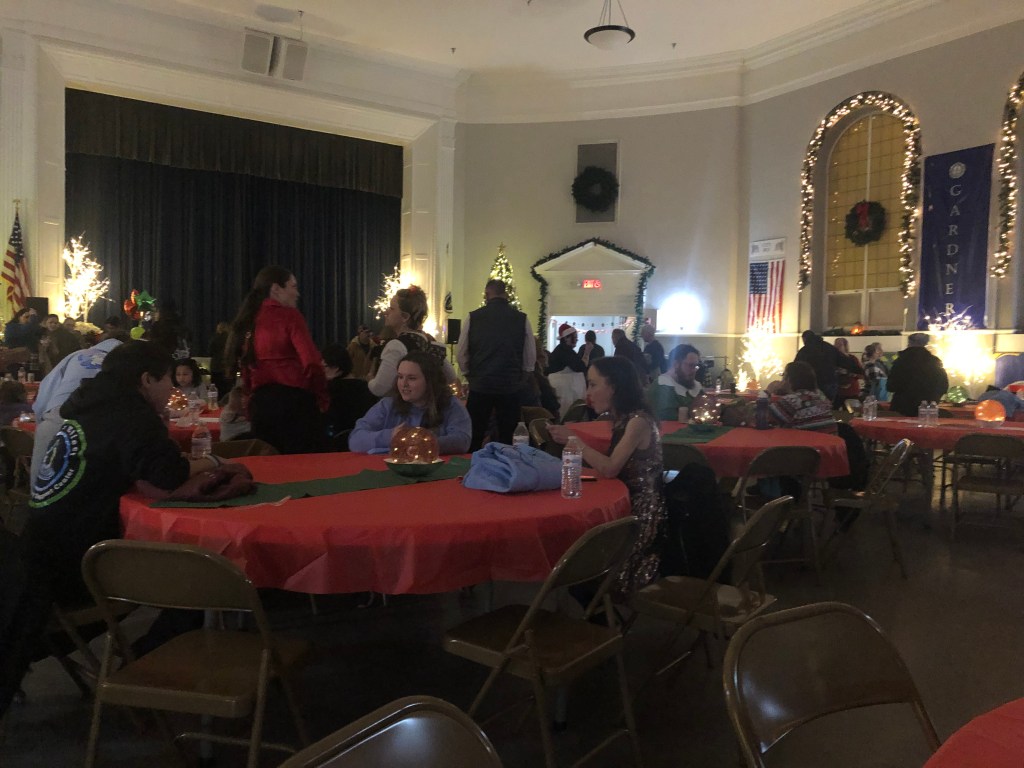
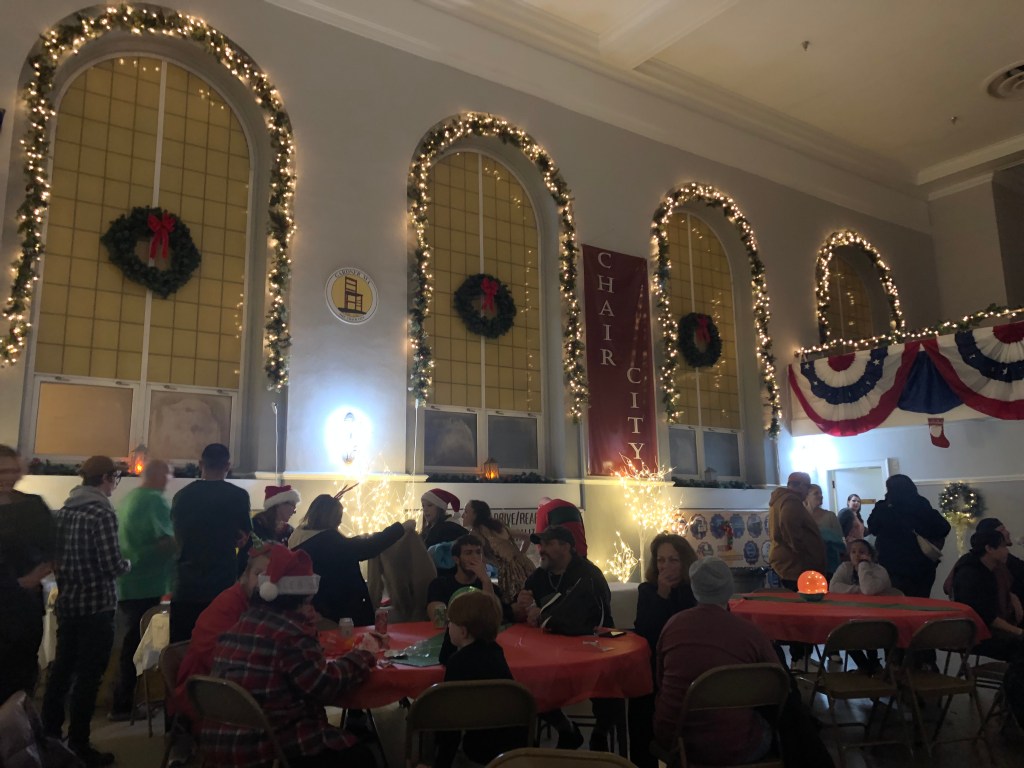
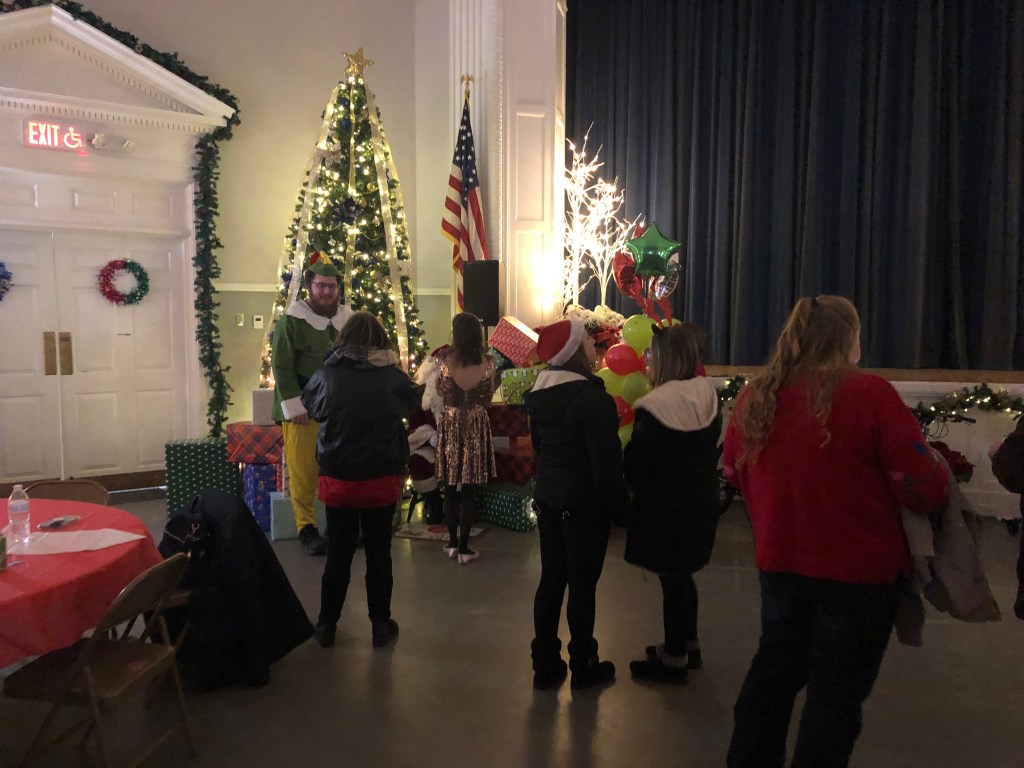
They even raffled/gave away bikes to kids; excellent! That is the spirit of Christmas!😀



And it is turning out to be a white Christmas here in Massachusetts this year.







But I still can play B-Ball, in the snow! 🙂


And pig out on tasty Christmas treats! 😃

Merry Christmas folks! 🙂
 Munedawg Communications
Leave a comment