

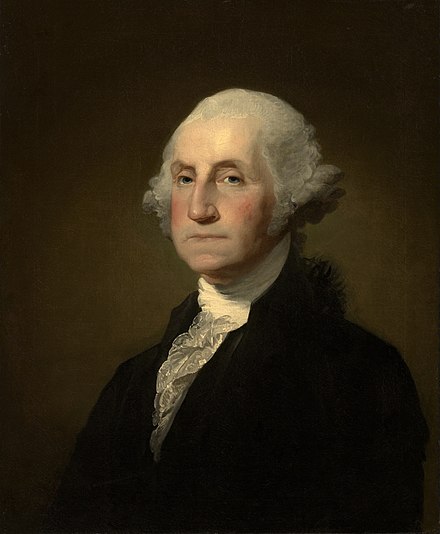

Yes, President’s Day…there’s a lot to unpack with this folks. And considering the current “Commander-in-Chief”…well we’re in for a bumpy ride! 😜
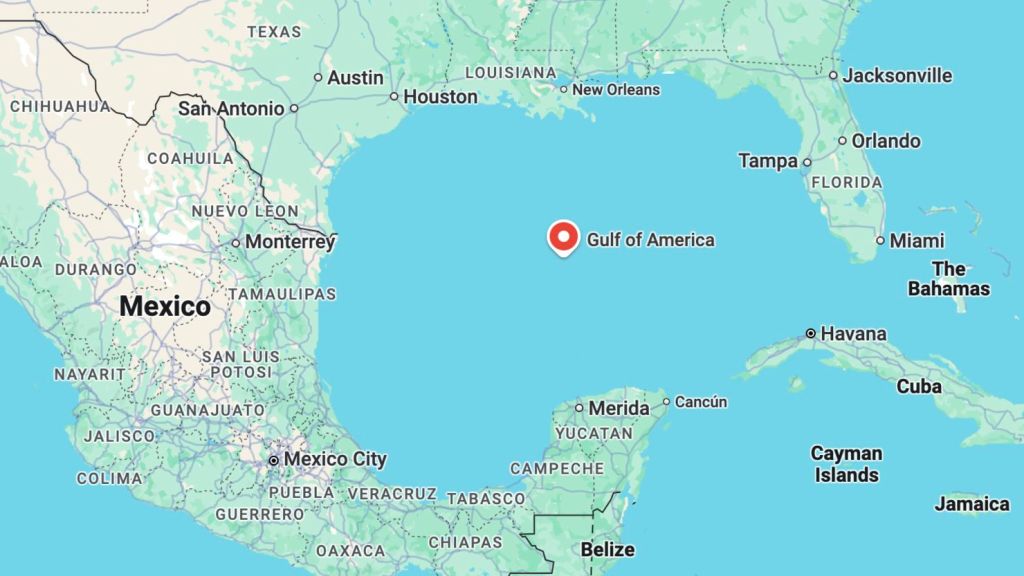
First things first, “Gulf of Mexico”, “Gulf of America”, who cares? Hey dummy, Mexico is a part of America, North America of course! 😂 And, Mexico originally was much greater in size compared to now, and encompassed the territories of the future U.S. states Texas, California, Nevada, Utah, Arizona, New Mexico, and part of Colorado as well as some the provinces of Central America (excluding Panama)…

And this whole holiday has become sort of a joke anyway, with a lot of Americans it has just become a day of sales:

Now of course the original intent of this holiday was to commemorate two of the most influential presidents in U.S. history, George Washington and Abraham Lincoln. One because he founded the U.S. and the other because he preserved it.
And one owned slaves and the other abolished slavery; heady stuff folks!
Starting with Washington, he is even harder to decipher than Lincoln because it seems like he has become so embedded in American culture and become a mythic figure that it has become hard to actually understand the man himself.
And so much mythical nonsense had been added his presidency, starting with the whole cherry tree “I cannot tell a lie” crap that was perpetrated by the minister and bookseller Mason Locke Weems in his biography of Washington The Life of Washington published in 1800.
According to the Mount Vernon website:
The cherry tree myth is one of the oldest and best-known legends about George Washington. In the original story, when Washington was six years old, he received a hatchet as a gift and damaged his father’s cherry tree with it. When his father discovered what George had done, he became angry. Young George bravely said, “I cannot tell a lie…I did cut it with my hatchet.” Washington’s father embraced him and declared that his son’s honesty was worth more than a thousand trees.
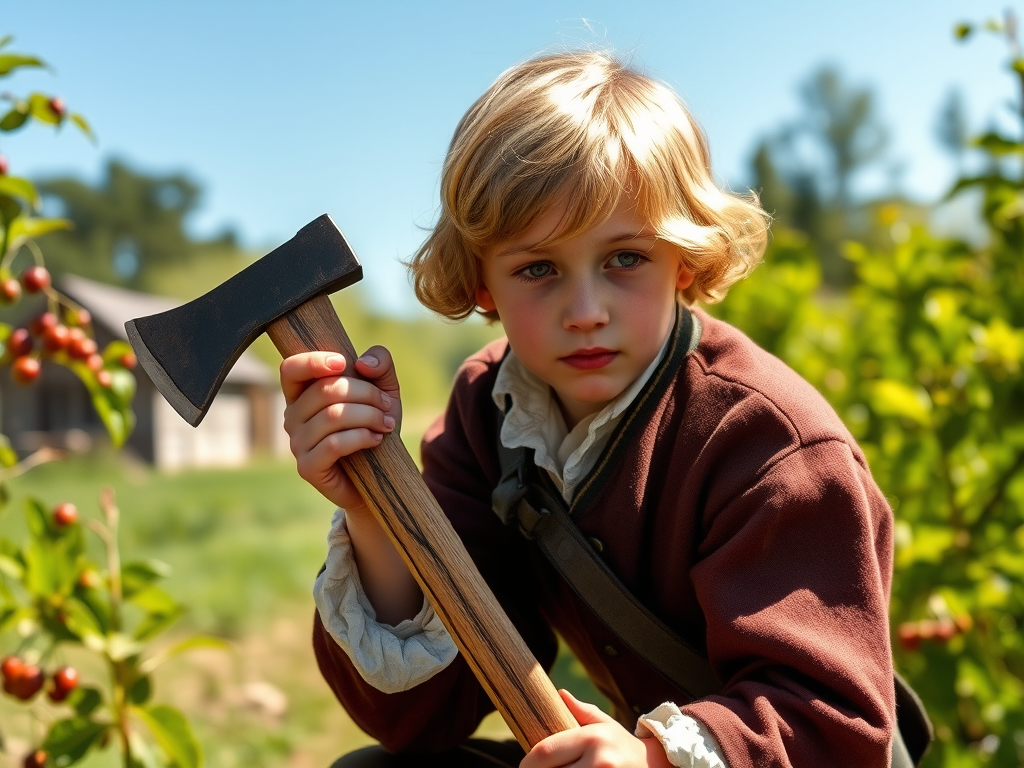
This story is total made-up nonsense of course and makes you wonder about so many other biographies about famous people.
So who was the real George Washington? Born into a prosperous family he inherited a plantation, Ferry Farm, Virginia, in 1743, when his father had died. He also inherited 10 slaves, which was considered normal in those days. Think about it, normal.
He inherited Mount Vernon in 1761 and became a successful plantation owner, raising wheat and tobacco. He also commanded the Virginia Regiment in the French and Indian War, a theater of the greater Seven Years War, in which the British North American colonies were in conflict with France and her colonies in North America with both sides aided by different Native American tribes.
And of course, when the American Revolutionary War started in 1775, he was appointed Commander-in-Chief of the Continental Army. He had to whip a poorly organized patriot army into shape to face the disciplined British Army. His first campaign of the war was the Siege of Boston in 1776 in which he thwarted British General Thomas Gage.
And this brings us to another famous myth that is ingrained in the public imagination, the ride of Paul Revere, which took place in the previous year in the opening months of the war. This was immortalized by Henry Wadsworth Longfellow in his 1861 poem “Paul Revere’s Ride” which contains many inaccuracies. One of the most glaring is the fallacy that he yelled “The British are coming!” when basically the colonists considered themselves British, of course. What he probably shouted was “the regulars are coming out!” referring to his fellow Minutemen.
According to Wikipedia:
Sons of Liberty members Paul Revere and William Dawes prepared the alert, which began when Robert Newman, the sexton of Boston’s Old North Church, used a lantern signal to warn colonists in Charlestown of the British Army’s advance by way of the Charles River. Revere and Dawes then rode to meet John Hancock and Samuel Adams in Lexington, ten miles away, alerting up to 40 other Patriot riders along the way. Revere and Dawes then headed towards Concord with Samuel Prescott. The trio were intercepted by a British Army patrol in Lincoln. Prescott and Dawes escaped but Revere was returned to Lexington by the patrol and freed after questioning. By giving the minutemen advance warning of the British Army’s actions, the ride played a crucial role in the Patriot victory in the subsequent battles at Lexington and Concord.
According to his own account, Revere narrowly escaped capture in present-day Somerville near the displayed corpse of a slave, a local landmark. This was “After I had passed Charlestown Neck, & got nearly opposite where Mark was hung in chains.” Mark was an enslaved Bostonian who was convicted of petit treason in 1755, the penalty for which was to be dragged and hanged, after which his body was gibbeted for decades, such that Revere still used the site of Mark’s body as a reference point in 1798.
Wow, that’s crazy! 😜 A displayed corpse of a slave was a local landmark?! 😣 It’s one of those examples that real life is even crazier sometimes than fiction.
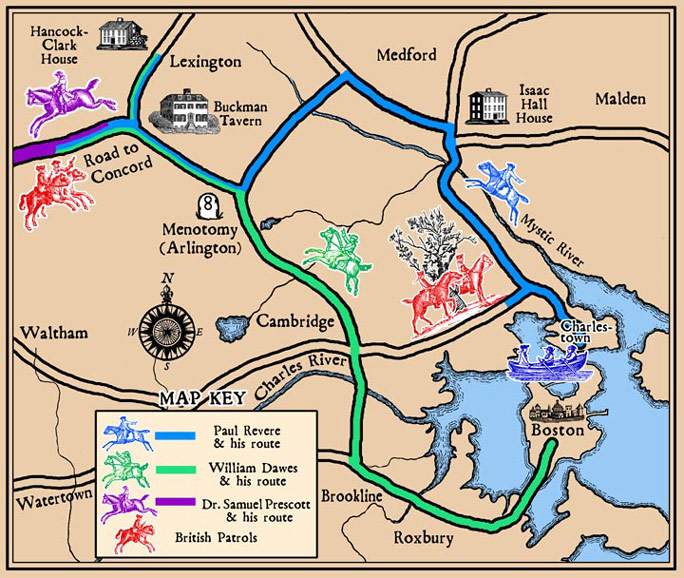
What is also amazing is what Boston looked like in those days. It really was a peninsula connected to the mainland by Roxbury Neck. Back Bay literally was a bay that eventually got filled in and likewise most of South Boston is filled in land as well.
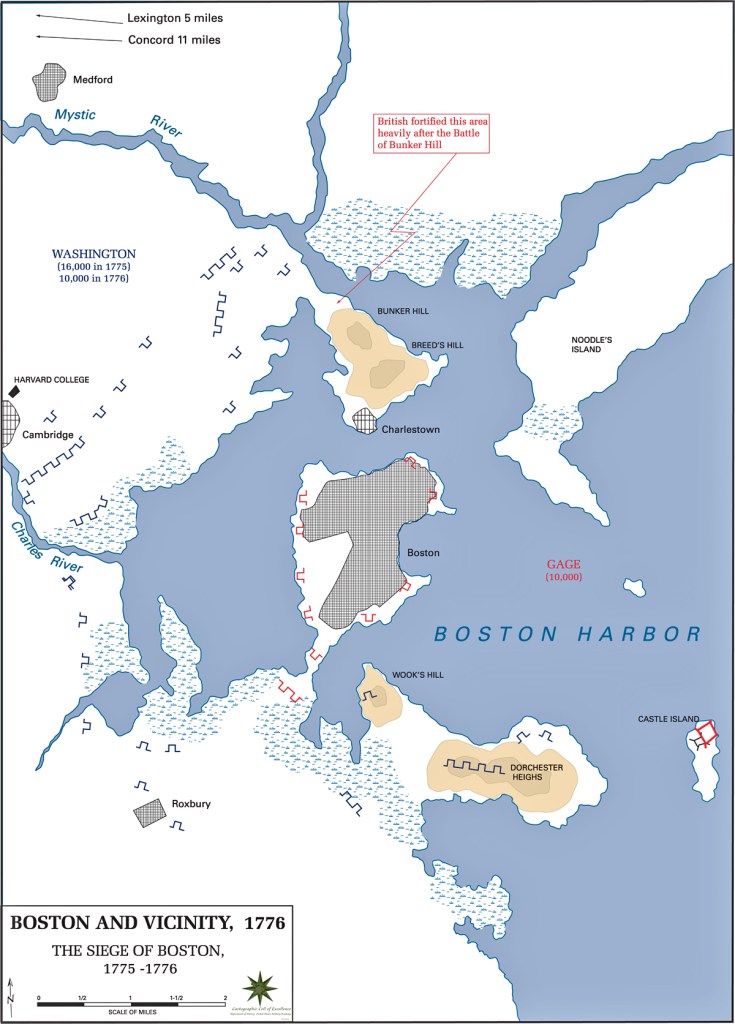
In March 1776 Washington drove the British out of Boston and British Commander in Chief William Howe responded by launching the New York and New Jersey campaign, which resulted in Howe’s capture of New York City in November. Washington responded by clandestinely crossing the Delaware River and winning small but significant victories at Trenton and Princeton.
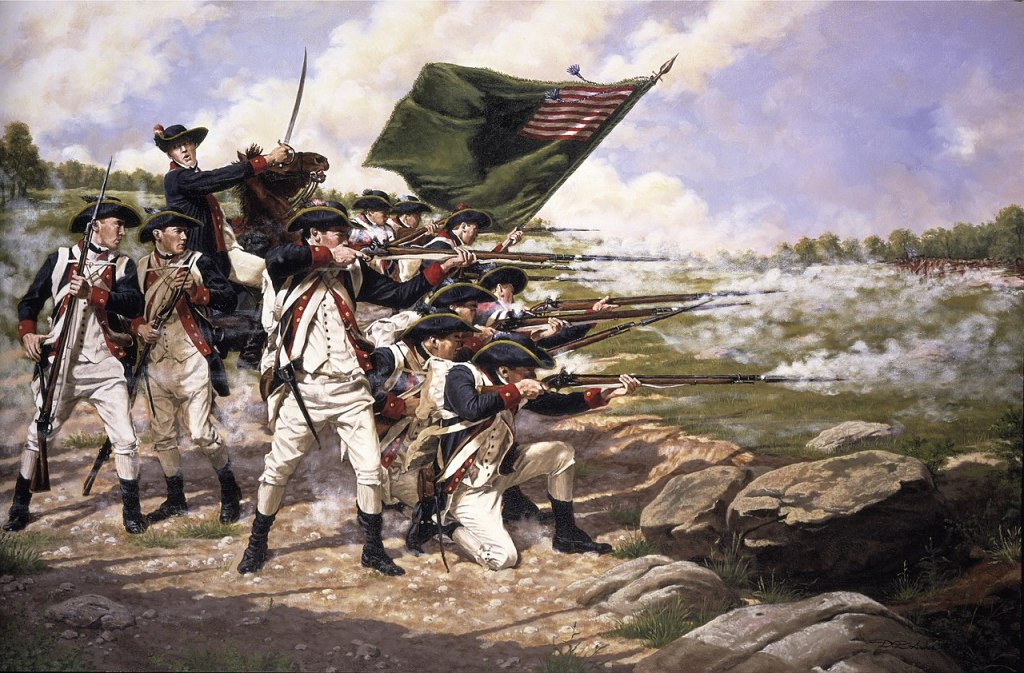

As the war further progressed, according to Wikipedia:
In October 1777, a separate northern British force under the command of John Burgoyne was forced to surrender at Saratoga in an American victory that proved crucial in convincing France and Spain that an independent United States was a viable possibility. France signed a commercial agreement with the rebels, followed by a Treaty of Alliance in February 1778.
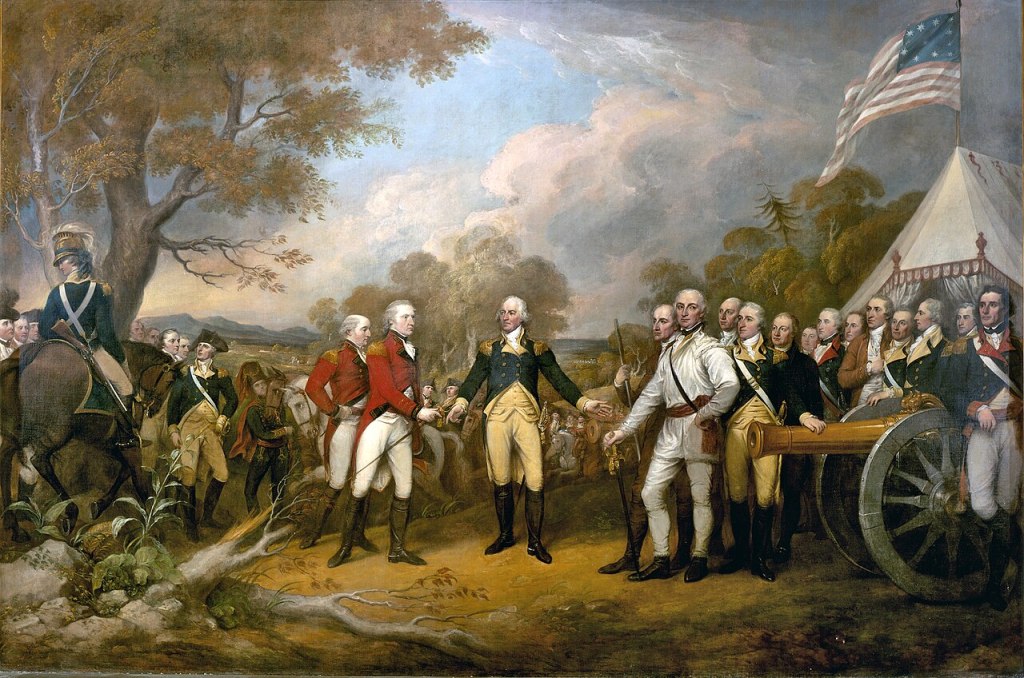
Because the American Revolutionary War involved the mighty British Empire, it was really fought on a fairly large scale, encompassing North America, the Caribbean, and the Atlantic Ocean. It also involved the French and Spanish Empires and German mercenaries (Hessians).

According to Wikipedia:
British General Henry Clinton intended to take the war against the Americans into the Southern Colonies. Despite some initial success, British General Cornwallis was besieged by a Franco-American force in Yorktown in September and October 1781. Cornwallis was forced to surrender in October. The British wars with France and Spain continued for another two years, but fighting largely ceased in North America. In the Treaty of Paris, ratified on September 3, 1783, Great Britain acknowledged the sovereignty and independence of the United States, bringing the American Revolutionary War to an end. The Treaties of Versailles resolved Great Britain’s conflicts with France and Spain and forced Great Britain to cede Tobago, Senegal, and small territories in India to France, and Menorca, West Florida and East Florida to Spain.
So Washington, along with John Hancock, Benjamin Franklin, Peyton Randolph, Horatio Gates, Nathanael Greene, Henry Knox, John Sullivan, George Rogers Clark, and Benedict Arnold (before he defected!😒) won the Revolutionary War against the British, also with the help of France and men such as Lafayette (full name: Marie-Joseph Paul Yves Roch Gilbert du Motier de La Fayette, Marquis de La Fayette, damn what a mouthful! 😁) and Jean-Baptiste Donatien de Vimeur, comte de Rochambeau (another fancy pants! 😂).
After the war, Washington was elected president in 1788.
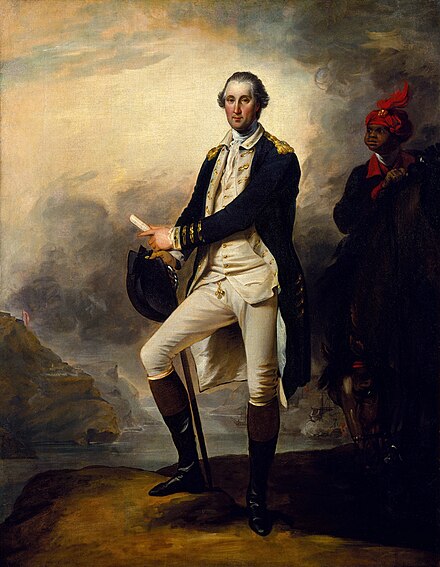
So how did the Washington presidency stack up exactly? He is one of the founders of the U.S., of course, but how was he exactly as president?
From what I’ve been able to glean from various sources, actually he was a good president. And considering that the fledgling nation was on a shaky start, that’s saying something. And although the French had helped during the previous war, he avoided further conflict by instating a policy of neutrality during the French Revolution (1789-1799) and supported the Jay Treaty with Great Britain also to avoid further conflict.

He also had to deal with internal, domestic conflicts such as The Whiskey Rebellion (1791–1794), a Pennsylvania revolt against liquor taxation and the Northwest Indian War (1785-1795) between White settlers and Native Americans who were supported by the British.
And in his presidency a lot of precedents were set: the formation of the Executive Branch, the Cabinet, the Supreme Court, the Inaugural Address, and messages to Congress.
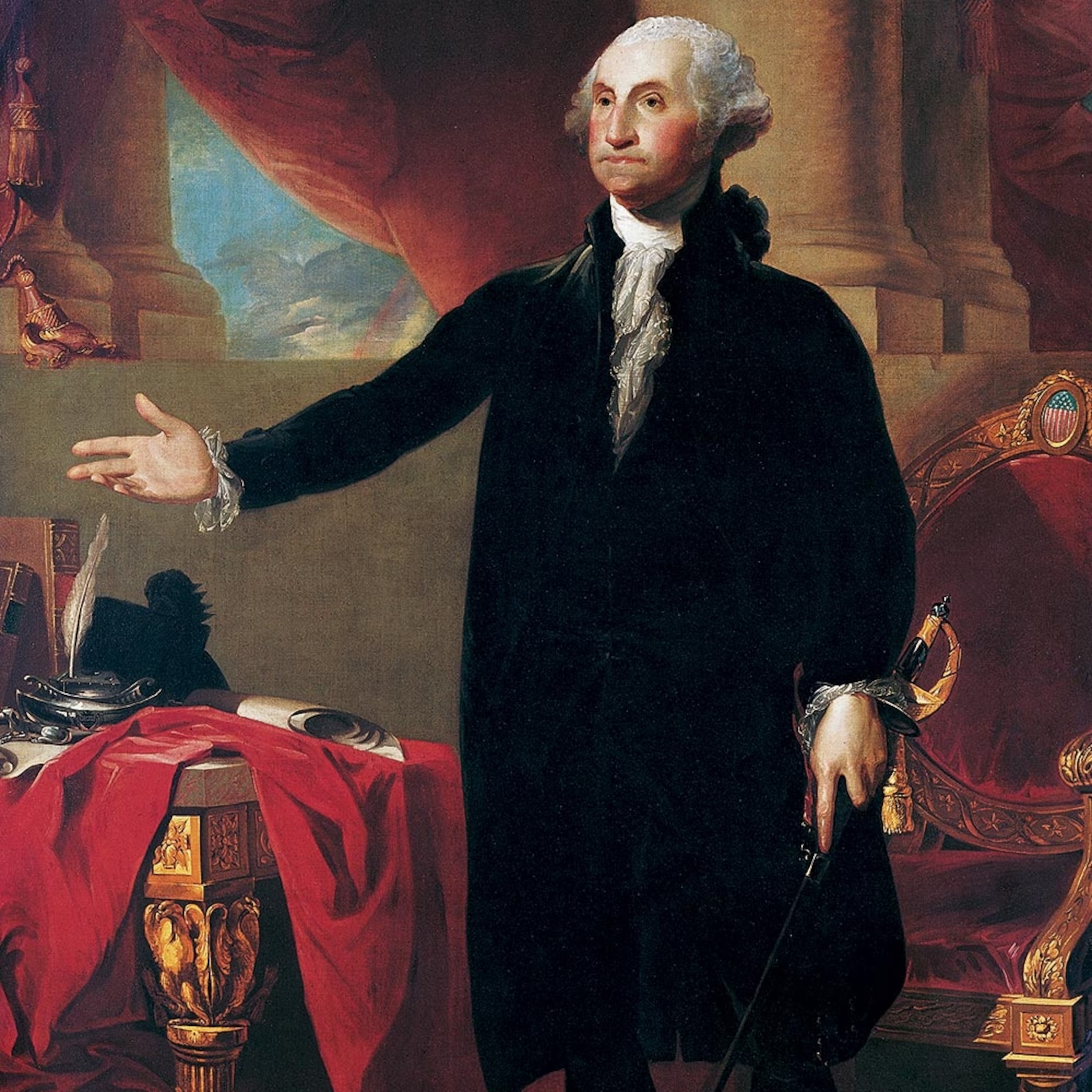
And what about the slavery issue? According to Richard M. Ketchum in the book The World of George Washington:
Although reliance upon slave labor was virtually forced upon him by circumstances of the time and place, he became to loathe the practice and before the end of his life was one of the South’s more progressive thinkers on the issue. “Nothing but the rooting out of slavery can perpetrate the existence of our union,” he concluded and one of his friends wrote that he seriously considered moving to the North should the nation split over slavery.
Prescience of the Lincoln presidency! 😃
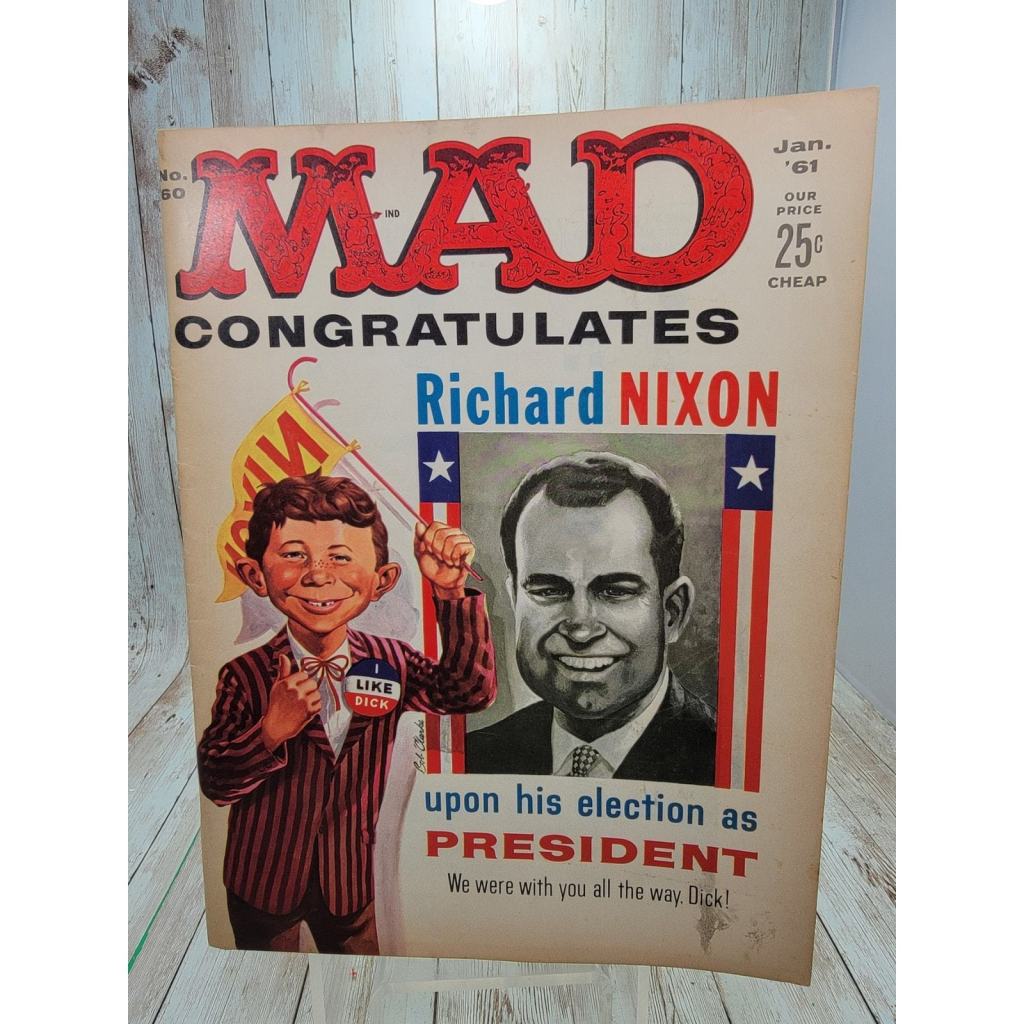
So on to “Honest Abe”. Dang, these old-timey prezzes were just steeped in honesty. 😁 We’d have to wait until 1969 where we got some good ole American liars like Tricky Dick Nixon! 😂

But at least the hoary old tale of Abraham Lincoln growing up in a log cabin is true.
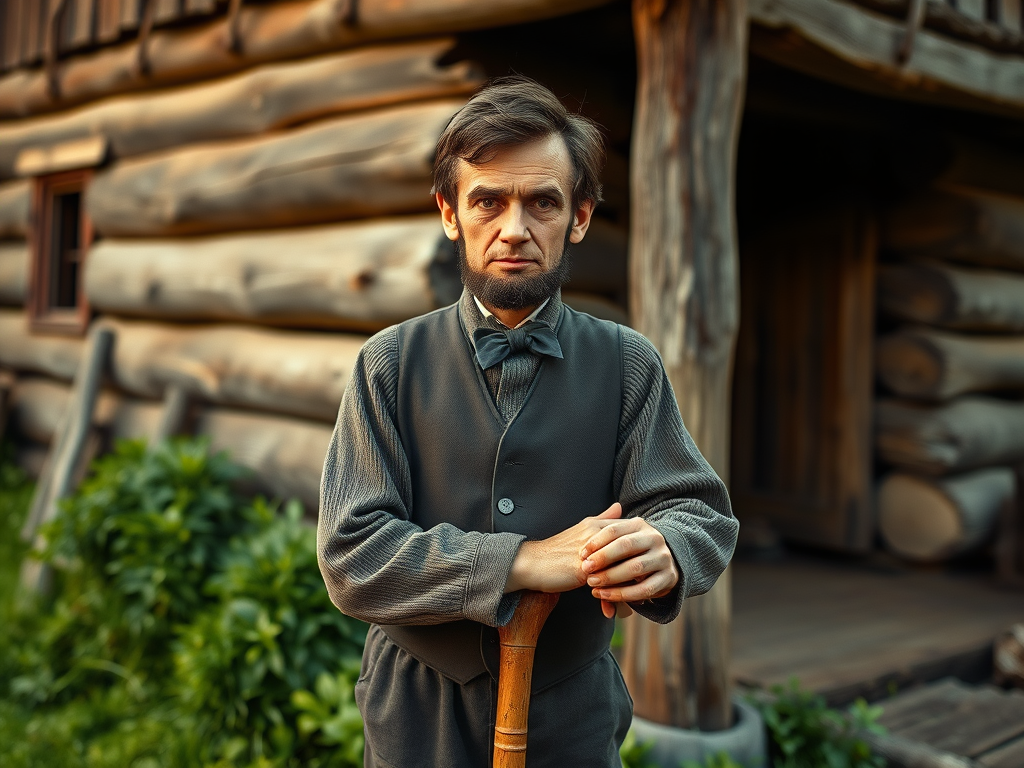
Indeed, he was what we would call an autodidact these days. A distant relative said he was lazy, for all his “reading—scribbling—writing—ciphering—writing poetry”. His stepmother acknowledged he did not enjoy “physical labor” but loved to read.
According to Wikipedia:
Family, neighbors, and schoolmates recalled that his readings included the King James Bible, Aesop’s Fables, John Bunyan’s The Pilgrim’s Progress, Daniel Defoe’s Robinson Crusoe, and The Autobiography of Benjamin Franklin.
Most presidents today don’t have the reading skills of your average kindergartner, well except for Barack Obama, that man did have some book learnin’. 🙂
Lincoln served as a Captain in the Illinois Militia in the Black Hawk War, another fabulous conflict that had the U.S. military removing Native Americans from their native land, although he never saw actual combat.
With all his impressive book learning he was able to become a lawyer and he joined the Whig Party, which was part of what was then known as the “Second Party System”, which also contained the Democratic Party.
The Whig Party was opposed to the doctrine of “Manifest Destiny” (the belief that the European settlers should conquer the West) and overuse of presidential executive power (180 years before Donald Trump! 😉🤷♂️). They preferred having a strong congress that would balance the other branches of government; what a concept!
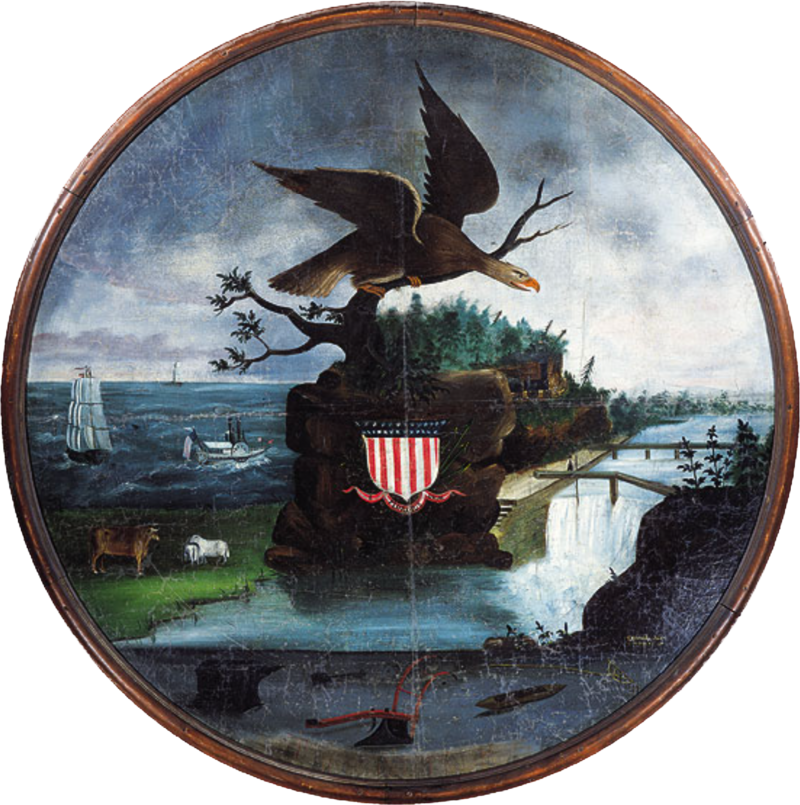
According to Wikipedia:
Members advocated modernization, meritocracy, the rule of law, protections against majority rule, and vigilance against executive tyranny. They favored an economic program known as the American System, which called for a protective tariff, federal subsidies for the construction of infrastructure, and support for a national bank. The party was active in both the Northern and Southern United States and did not take a firm stance on slavery, but Northern Whigs tended to be less supportive than their Democratic counterparts.
But it is interesting to reflect that tariffs have always been a part of the American national financial policy. But unfortunately neither party took a firm stance on the blight that was slavery.
Lincoln then became a leader of the new Republican Party, which was opposed to slavery. In 1858 he faced Senator Stephan Douglas (Democrat) in a well publicized series of debates held across the state of Illinois which did focus on slavery as well as other issues. Both men actually had amazing skills of rhetoric so the debates were all pretty lively.
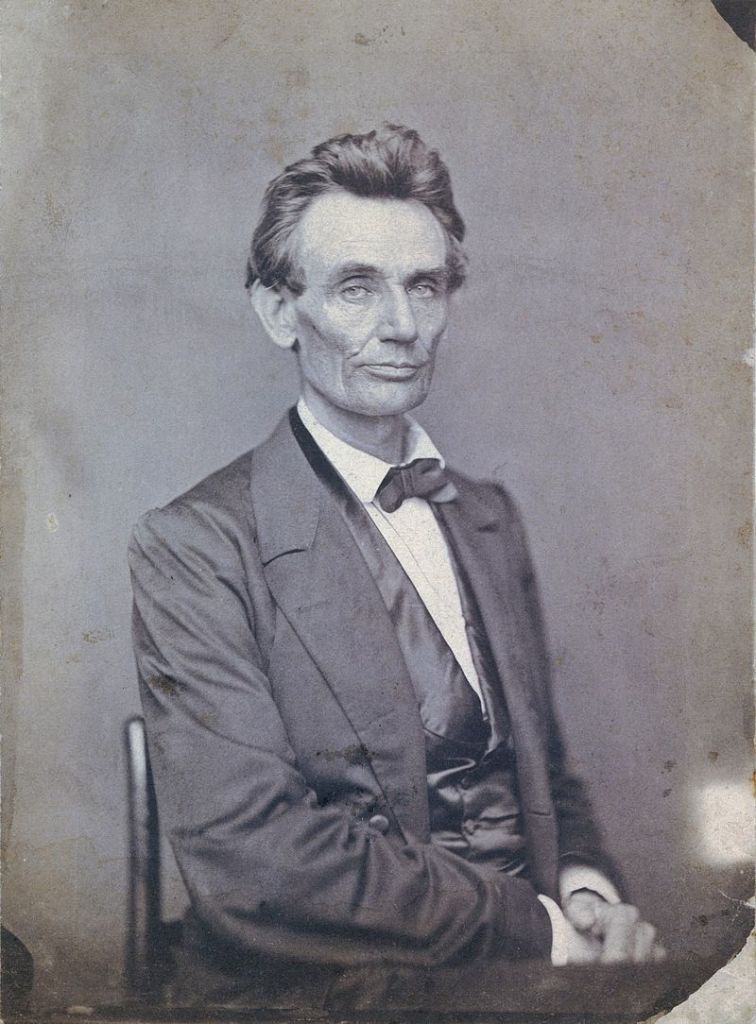
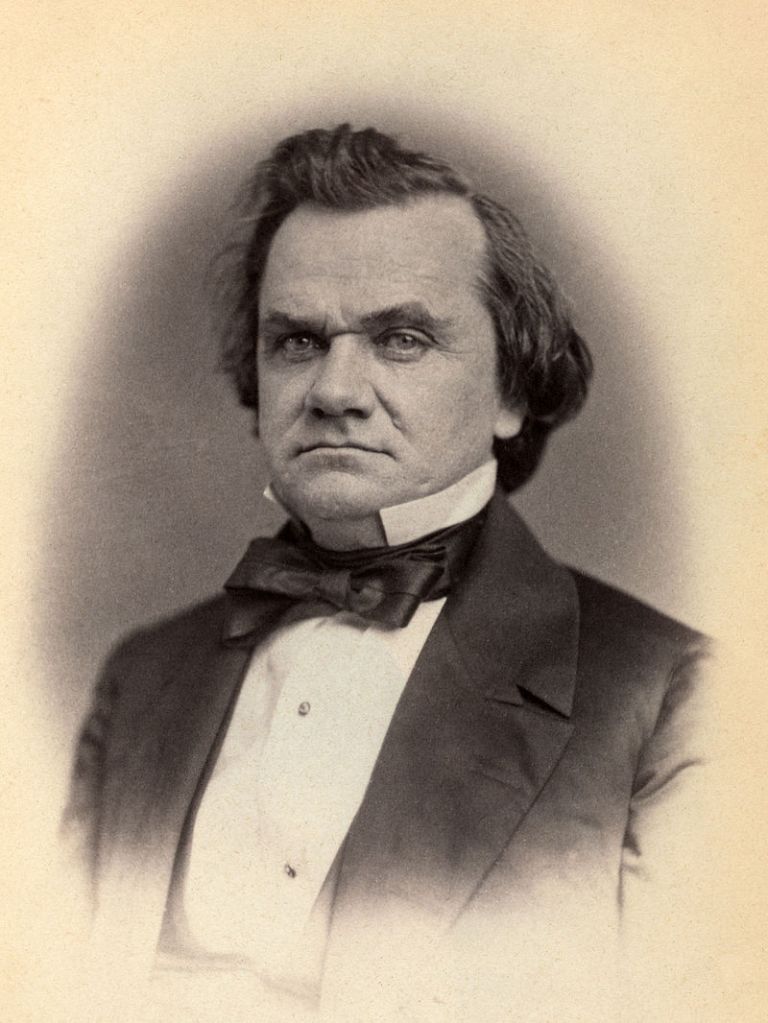
At one of debates, Lincoln made his basic position clear:
I hate [indifference to slavery] because of the monstrous injustice of slavery itself. I hate it because it deprives our republican example of its just influence in the world—enables the enemies of free institutions, with plausibility, to taunt us as hypocrites—causes the real friends of freedom to doubt our sincerity, and especially because it forces so many really good men amongst ourselves into an open war with the very fundamental principles of civil liberty—criticizing the Declaration of Independence, and insisting that there is no right principle of action but self-interest.
But delving into these at a deeper level, I was able to come across this “gem” from him, underlining the fact that he wasn’t totally in favor of racial equality:
I will say then that I am not, nor ever have been in favor of bringing about in any way the social and political equality of the white and black races—that I am not nor ever have been in favor of making voters or jurors of negroes, nor of qualifying them to hold office, nor to intermarry with white people; and I will say in addition to this that there is a physical difference between the white and black races which I believe will forever forbid the two races living together on terms of social and political equality. And inasmuch as they cannot so live, while they do remain together there must be the position of superior and inferior, and I as much as any other man am in favor of having the superior position assigned to the white race.
Well tarnation and dag nab it!😯 Is this Lincoln or Hitler talking?! 😕
Lincoln ultimately was deemed to have lost the debates against Douglas but it did boost his public profile and allowed him to ultimately win the 1860 presidential race. And even that was pretty complicated because it was a four way race with Lincoln and his running mate Hannibal Hamlin (!) running against Stephen Douglas, but also Southern Democrat John C. Breckinridge and Constitutional Union candidate John Bell.
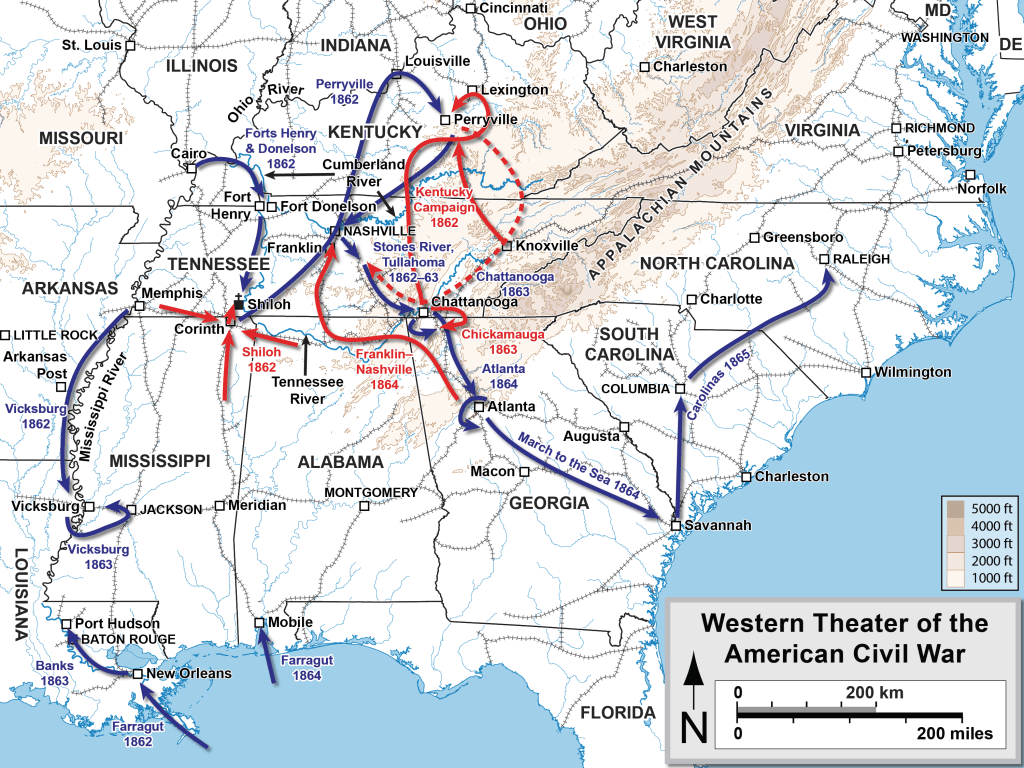
And it was Lincoln’s opposition to the expansion of slavery into the then new western territories that caused 7 southern slave states to secede from the Union and form the Confederacy. The Confederacy immediately seized U.S. forts and other federal assets within their borders. The American Civil War began on April 12, 1861, when the Confederacy bombarded Fort Sumter in South Carolina. Jefferson Davis, a senator from Mississippi, was chosen as the provisional president of the Confederacy.
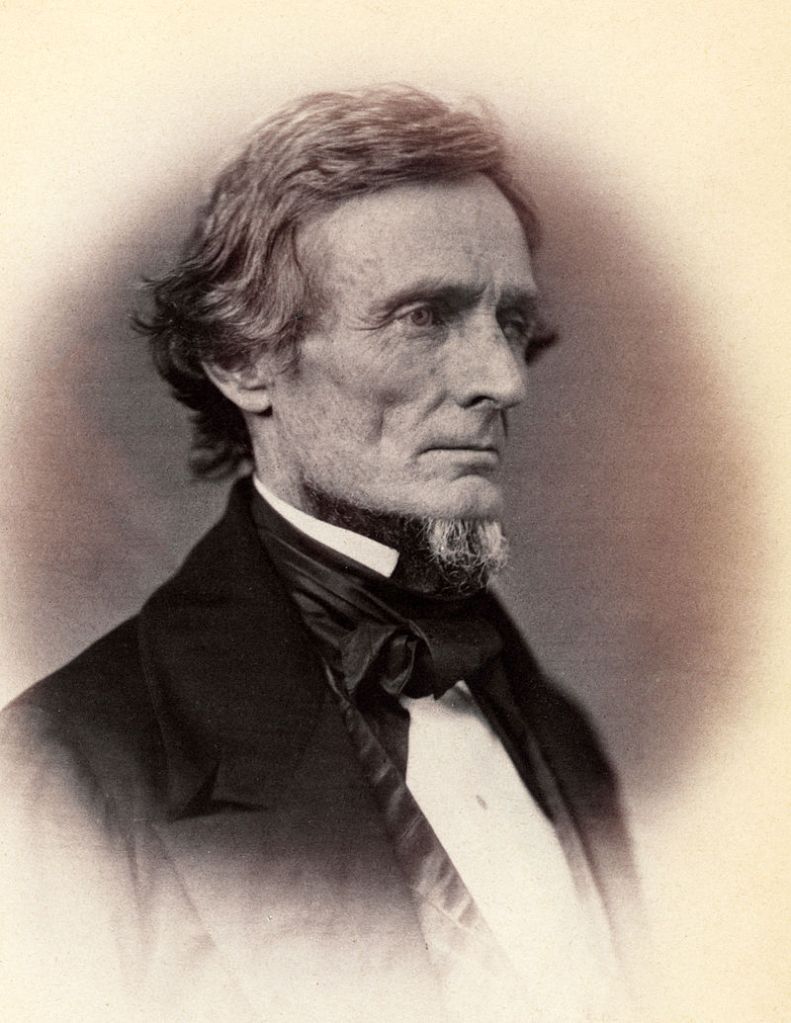
The Civil War raged for four bloody years with both sides, the Union and the Confederacy gaining and losing battles and territory.
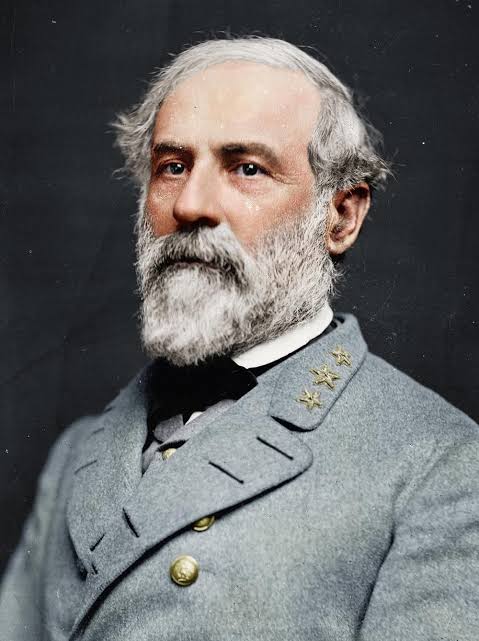
The Confederacy/South was able to stave off the much more powerful and industrialized Union/North by appointing the brilliant military strategist and general Robert E. Lee as the overall commander of the Confederate forces.
According to Wikipedia:
Lee was a top graduate of the United States Military Academy and an exceptional officer and military engineer in the United States Army for 32 years. He served across the United States, distinguished himself extensively during the Mexican–American War, and was Superintendent of the United States Military Academy.
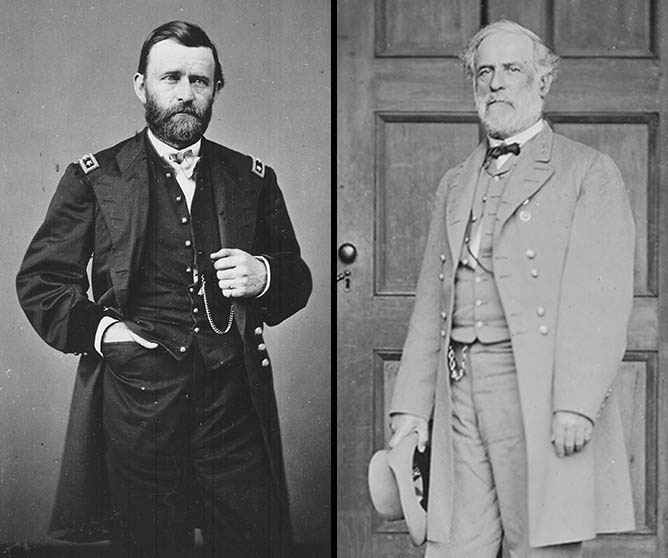
He succeeded in driving the Union Army of the Potomac under George B. McClellan away from the Confederate capital of Richmond during the Seven Days Battles, but he was unable to destroy McClellan’s army. Lee then overcame Union forces under John Pope at the Second Battle of Bull Run in August. His invasion of Maryland that September ended with the inconclusive Battle of Antietam, after which he retreated to Virginia. Lee won two major victories at Fredericksburg and Chancellorsville before launching a second invasion of the North in the summer of 1863, where he was decisively defeated at the Battle of Gettysburg by the Army of the Potomac under George Meade. He led his army in the minor and inconclusive Bristoe Campaign that fall before General Ulysses S. Grant took command of Union armies in the spring of 1864. Grant engaged Lee’s army in bloody but inconclusive battles at the Wilderness and Spotsylvania before the lengthy Siege of Petersburg, which was followed in April 1865 by the capture of Richmond and the destruction of most of Lee’s army, which he finally surrendered to Grant at Appomattox Court House.
Now that we’ve covered an entire long and complicated war in a couple of paragraphs, let’s get on to the fun stuff! 😊
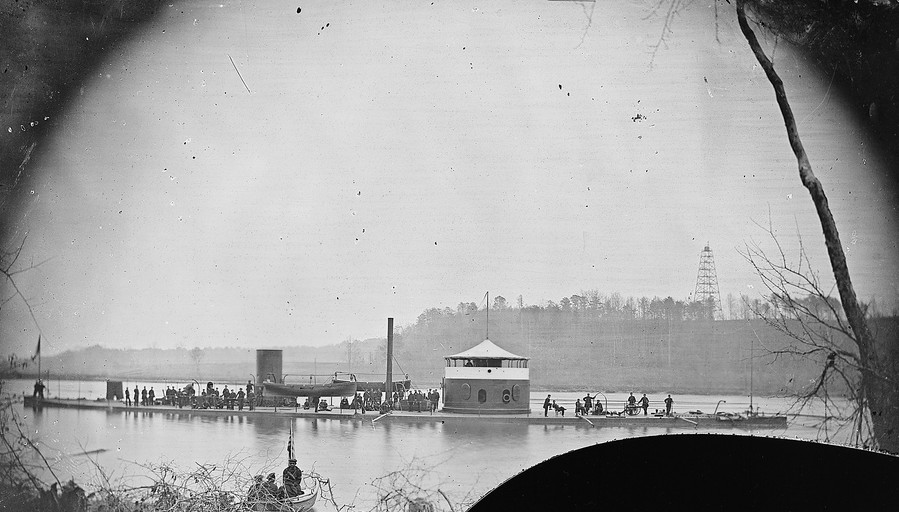
I’ve always been fascinated by the famous battle of the ironclad ships the U.S.S. Monitor and the C.S.S. Merrimac (originally called the C.S.S. Virginia).

But amazingly there were a lot of ironclad ships in the war, and so the American Civil War is known as the first truly mechanized modern war.

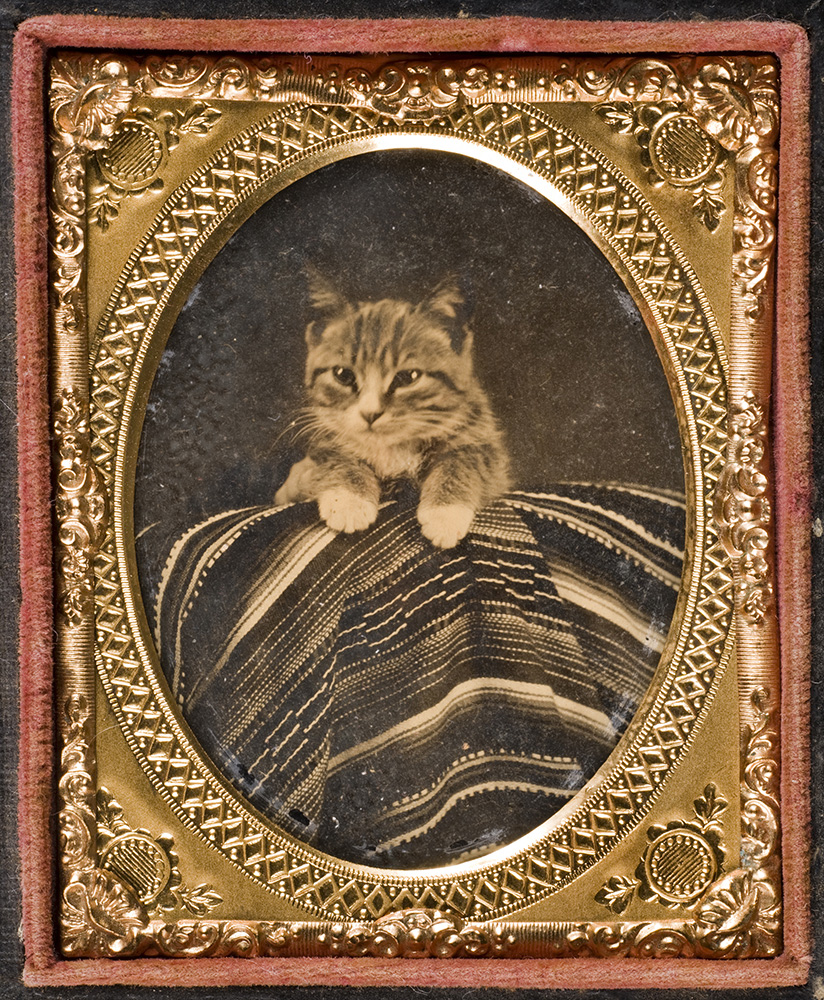
And another fun fact is that good ole Abe actually was the first president to have cats in the White House! 😃😺 After he was forced to leave his faithful dog Fido in Illinois, Secretary of State William Seward gave him two cats, Tabby and Dixie (!) as pets.

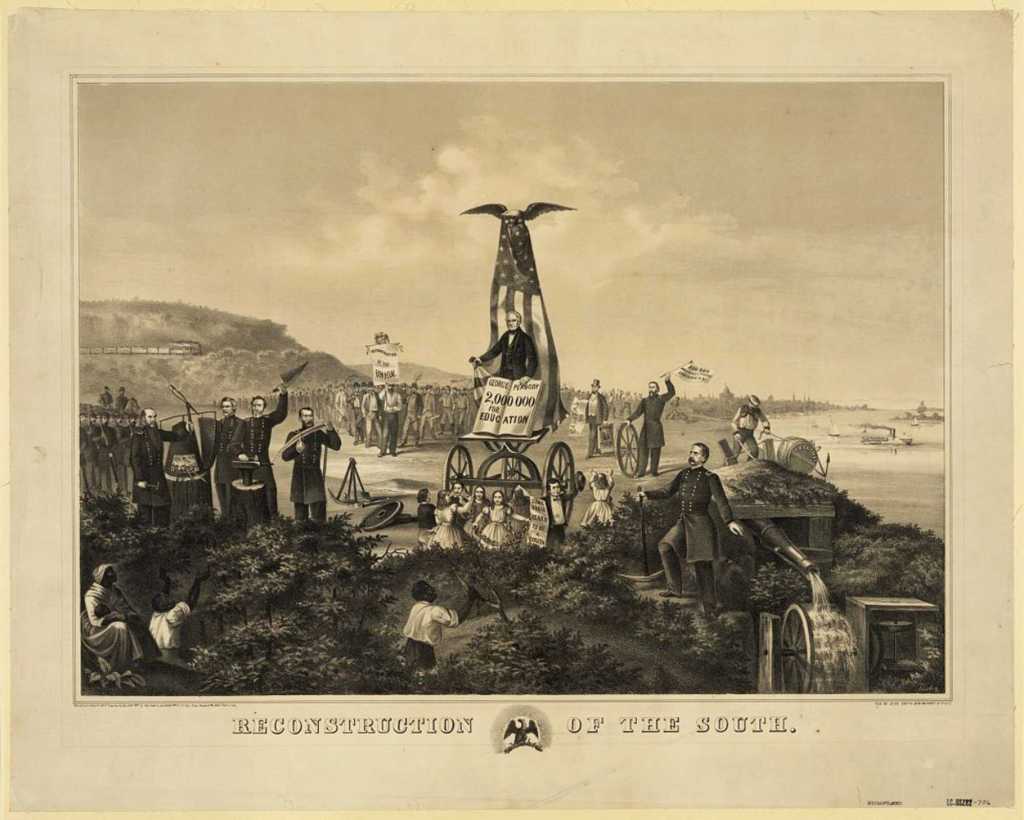
After the great conflict was ended, Lincoln tried to start the healing process of the wounded nation. His main objective was to let the South back into the Union gracefully in the great social experiment of what became known as the Reconstruction period.
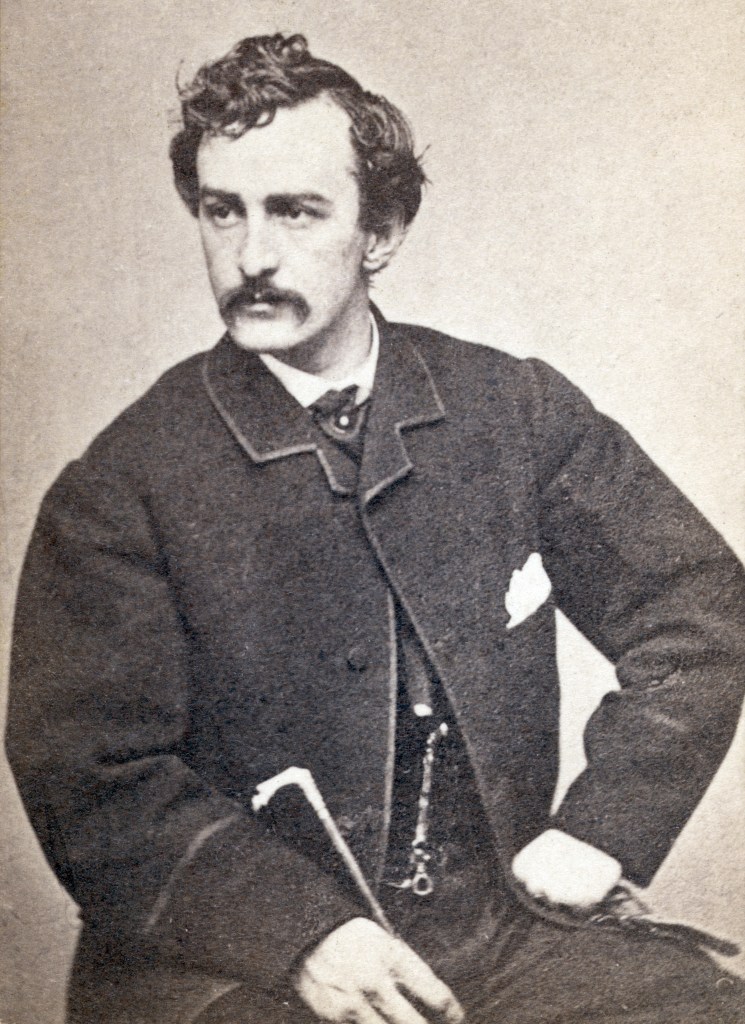
But even this benevolent leniency wasn’t enough for some people, particularly for a well known stage actor, John Wilkes Booth, who was a Confederate sympathizer and member of a conspiracy group that wanted to first abduct the president, then to assassinate him. Booth had even attended Lincoln’s second inauguration and lamented that he hadn’t enacted his nefarious scheme at that event.
On April 14, 1865, President Lincoln, his wife Mary, Major Henry Rathbone and his fiancée Clara Harris attended Ford’s Theater in Washington, D.C. to see a production of Our American Cousin.
According to Wikipedia:
The presidential party arrived late and settled into their box, made from two adjoining boxes with a dividing partition removed. The play was interrupted, and the orchestra played “Hail to the Chief” as the full house of about 1,700 rose in applause. Lincoln sat in a rocking chair that had been selected for him from among the Ford family’s personal furnishings.

The cast modified a line of the play in honor of Lincoln: when the heroine asked for a seat protected from the draft, the reply – scripted as, “Well, you’re not the only one that wants to escape the draft” – was delivered instead as, “The draft has already been stopped by order of the President!” A member of the audience observed that Mary Lincoln often called her husband’s attention to aspects of the action onstage, and “seemed to take great pleasure in witnessing his enjoyment”.
At intermission Lincoln’s bodyguard John Frederick Parker went to a nearby tavern and didn’t return to his post. Being well known at the theater Booth was able to gain entrance to the Presidential Box and bar the door. He shot Lincoln in the back of the head with his Remington pistol.
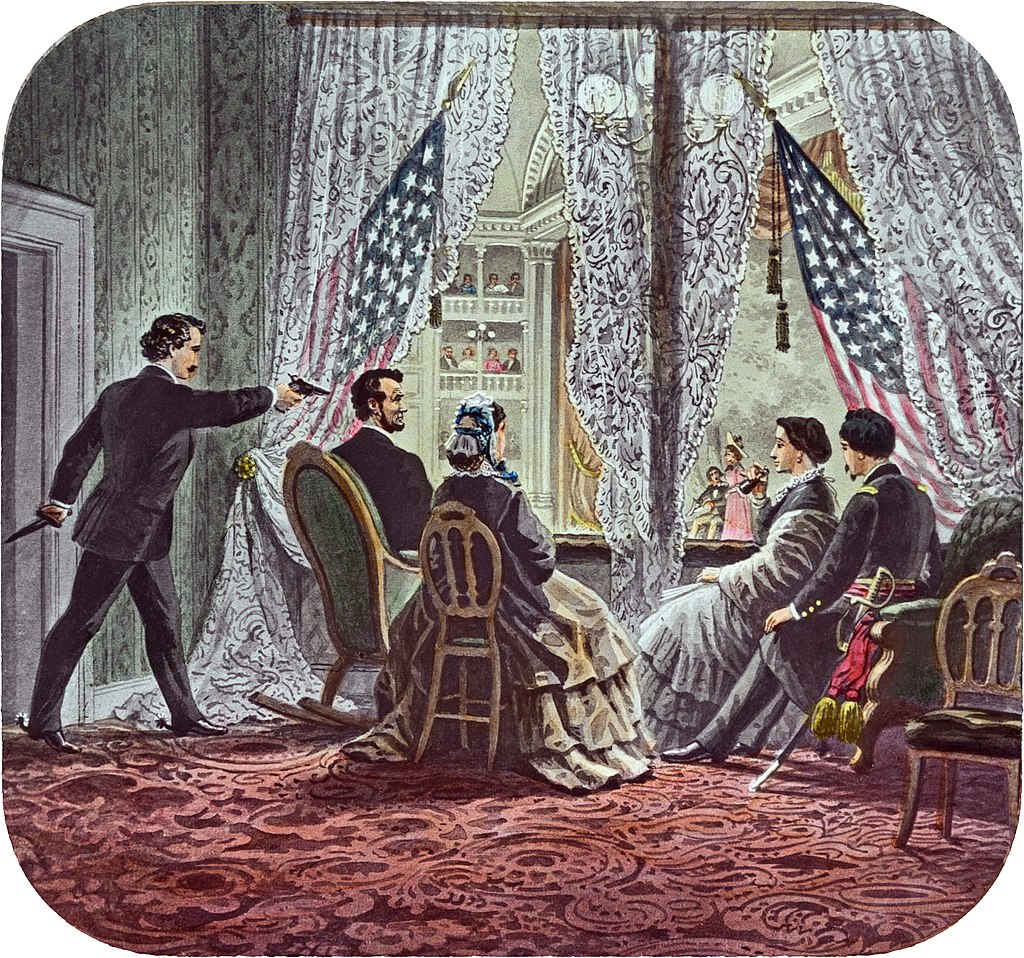

Rathbone grappled with Booth but Booth managed to escape and ride away on his getaway horse. Lincoln was taken to a nearby home and was attended to by numerous physicians but he died the following morning.
Booth and fellow conspirator David Herold eventually made it to tobacco farmer Richard Garrett’s Farm in Virginia while a nationwide manhunt for them was underway.
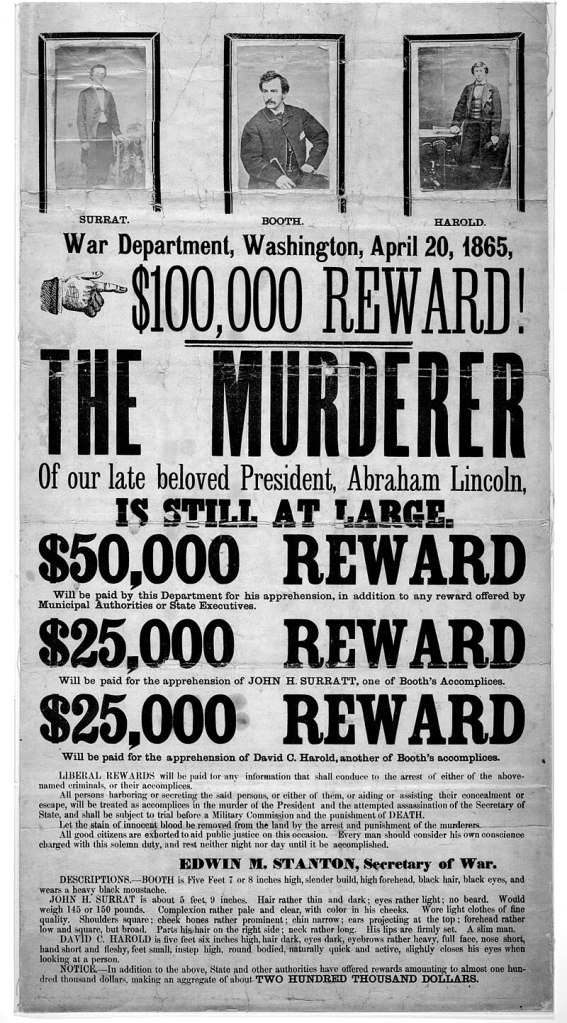

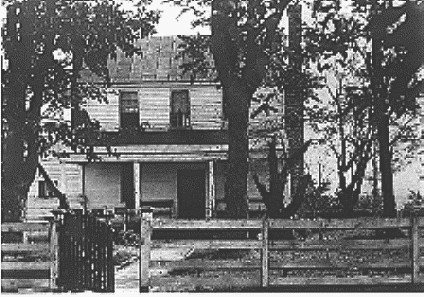
The 16th New York Calvary caught up with them and Sergeant Thomas “Boston” Corbett shot Booth in the head. Booth’s last words were: “Tell my mother I die for my country” and “useless…useless.”
The U.S. and other countries around the world mourned the loss of such an admired president. And unfortunately the sad event set a precedent for the future assassinations of presidents Garfield, McKinley, and Kennedy.
Vice President Andrew Johnson became the 17th president of the U.S.
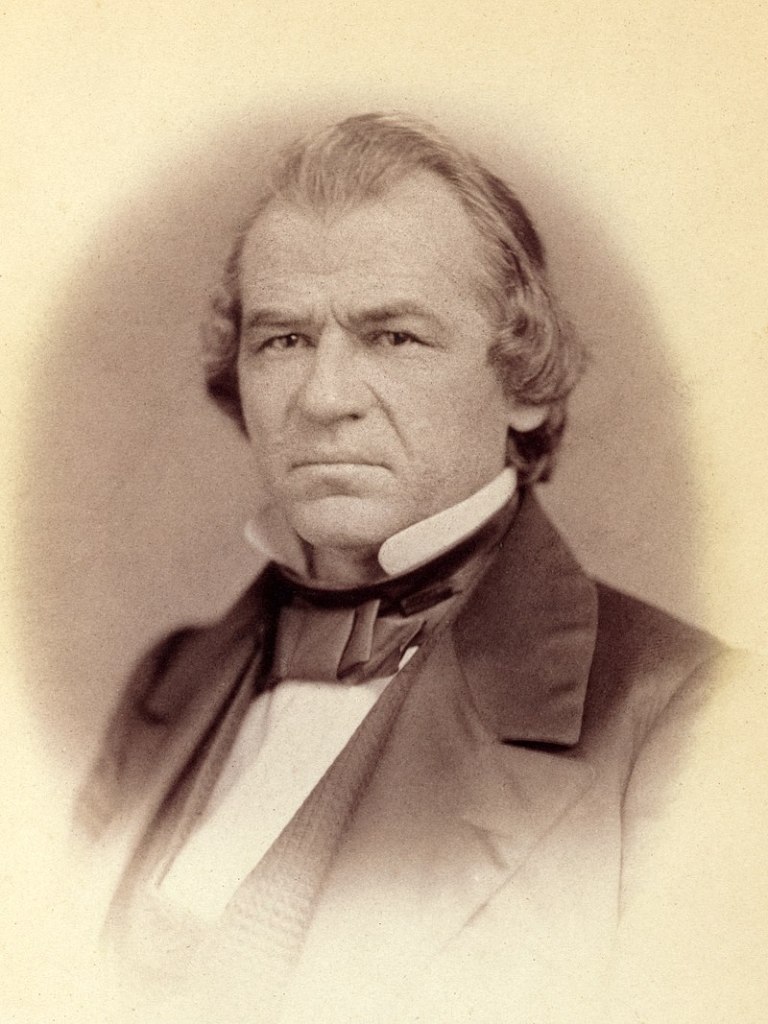
There is a consensus among American historians that Andrew Johnson was probably one of the worst president’s in U.S. history, and did a lot of damage to the Reconstruction efforts that Lincoln had initiated.
And as for his enduring legacy, of course Lincoln was one of the U.S.’s greatest presidents. Check out the Emmancipation Proclamation and the Gettysburg Address:
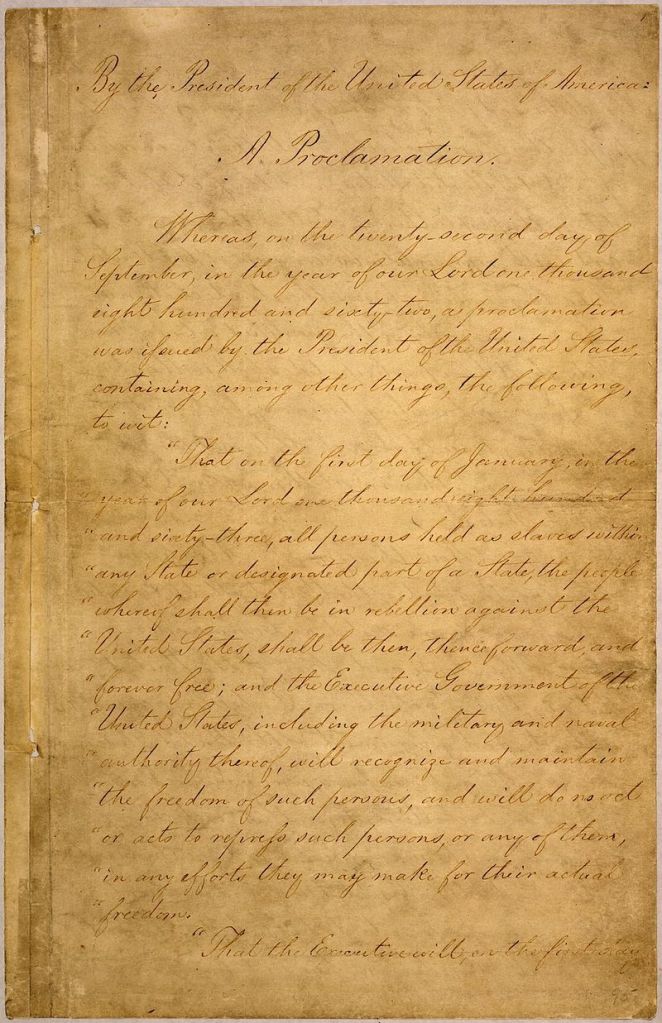
I, Abraham Lincoln, President of the United States, by virtue of the power in me vested as Commander-in-Chief, of the Army and Navy of the United States in time of actual armed rebellion against authority and government of the United States, and as a fit and necessary war measure for suppressing said rebellion, do … order and designate as the States and parts of States wherein the people thereof respectively, are this day in rebellion, against the United States, the following, to wit:
[Lincoln then listed the ten states still in rebellion, excluding parts of states under Union control, and continued:]
I do order and declare that all persons held as slaves within said designated States, and parts of States, are, and henceforward shall be free. … [S]uch persons of suitable condition, will be received into the armed service of the United States. … And upon this act, sincerely believed to be an act of justice, warranted by the Constitution, upon military necessity, I invoke the considerate judgment of mankind, and the gracious favor of Almighty God.
The Gettysburg Address, delivered at Gettysburg, Pennsylvania:
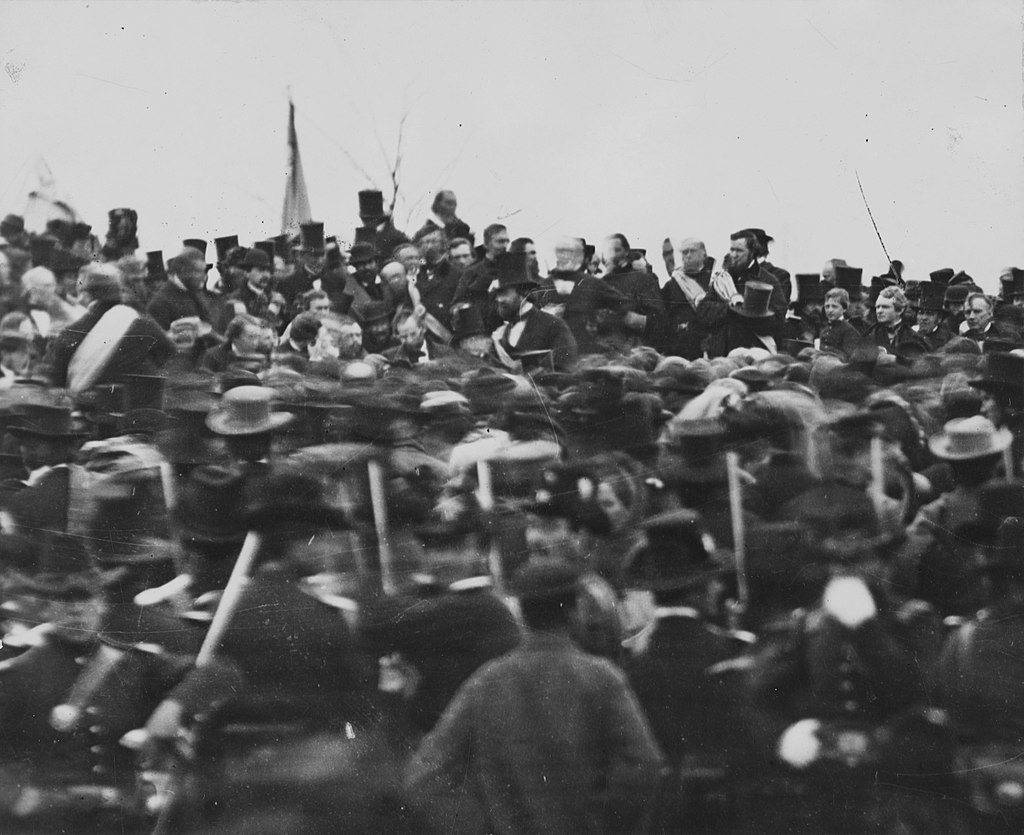
Four score and seven years ago our fathers brought forth on this continent, a new nation, conceived in Liberty, and dedicated to the proposition that all men are created equal.
Now we are engaged in a great civil war, testing whether that nation, or any nation so conceived and so dedicated, can long endure. We are met on a great battle-field of that war. We have come to dedicate a portion of that field, as a final resting place for those who here gave their lives that that nation might live. It is altogether fitting and proper that we should do this.
But, in a larger sense, we can not dedicate—we can not consecrate—we can not hallow—this ground. The brave men, living and dead, who struggled here, have consecrated it, far above our poor power to add or detract. The world will little note, nor long remember what we say here, but it can never forget what they did here. It is for us the living, rather, to be dedicated here to the unfinished work which they who fought here have thus far so nobly advanced. It is rather for us to be here dedicated to the great task remaining before us—that from these honored dead we take increased devotion to that cause for which they gave the last full measure of devotion—that we here highly resolve that these dead shall not have died in vain—that this nation, under God, shall have a new birth of freedom—and that government of the people, by the people, for the people, shall not perish from the earth.
Hmmm…we’ve come a long way, baby! 😂😒😜😢
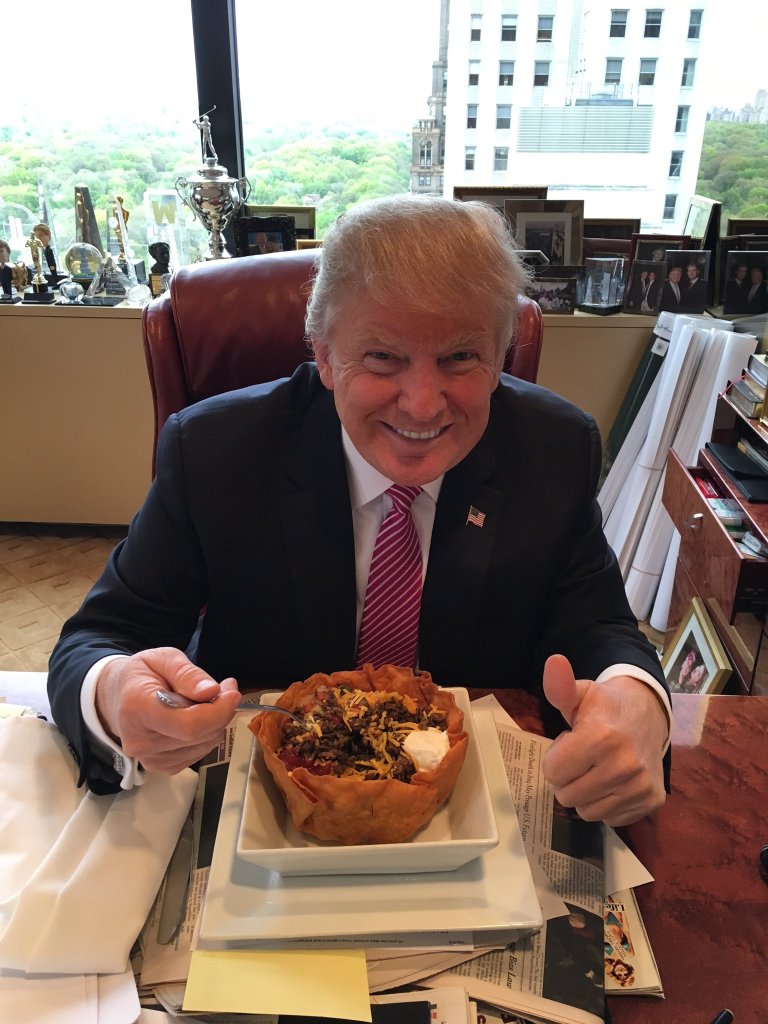
What would both Washington and Lincoln think of today’s present president?

 Munedawg Communications
Leave a comment