


I had visited the MIT Museum multiple times at its old location at 285 Massachusetts Avenue in Cambridge, Massachusetts and had always enjoyed the mixture of science, technology, and art exhibits.
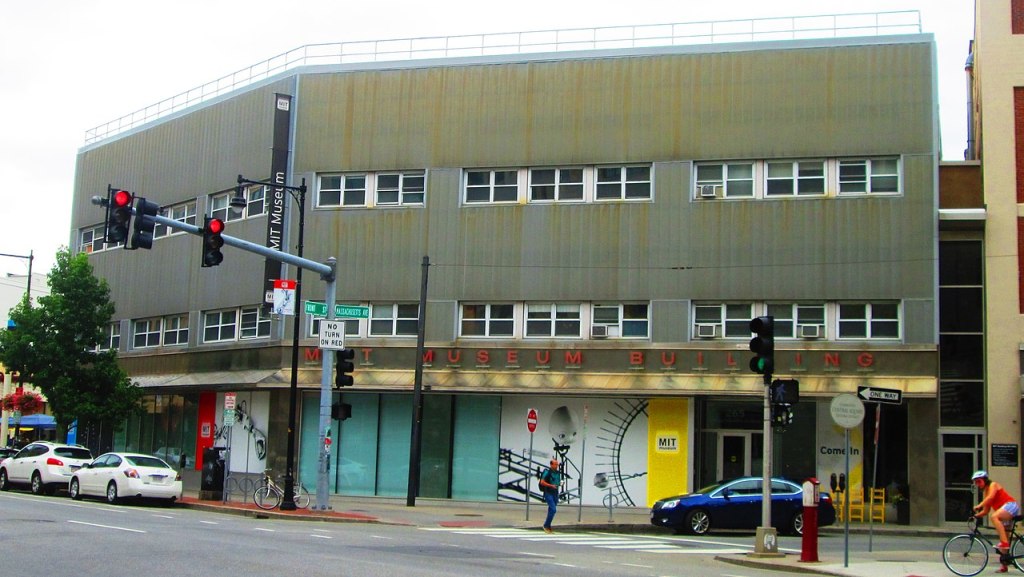
The museum was relocated to a new and expanded facility at 314 Main St. (The Grambrill Center), Cambridge, Massachusetts which is in the heart of Kendall Square.
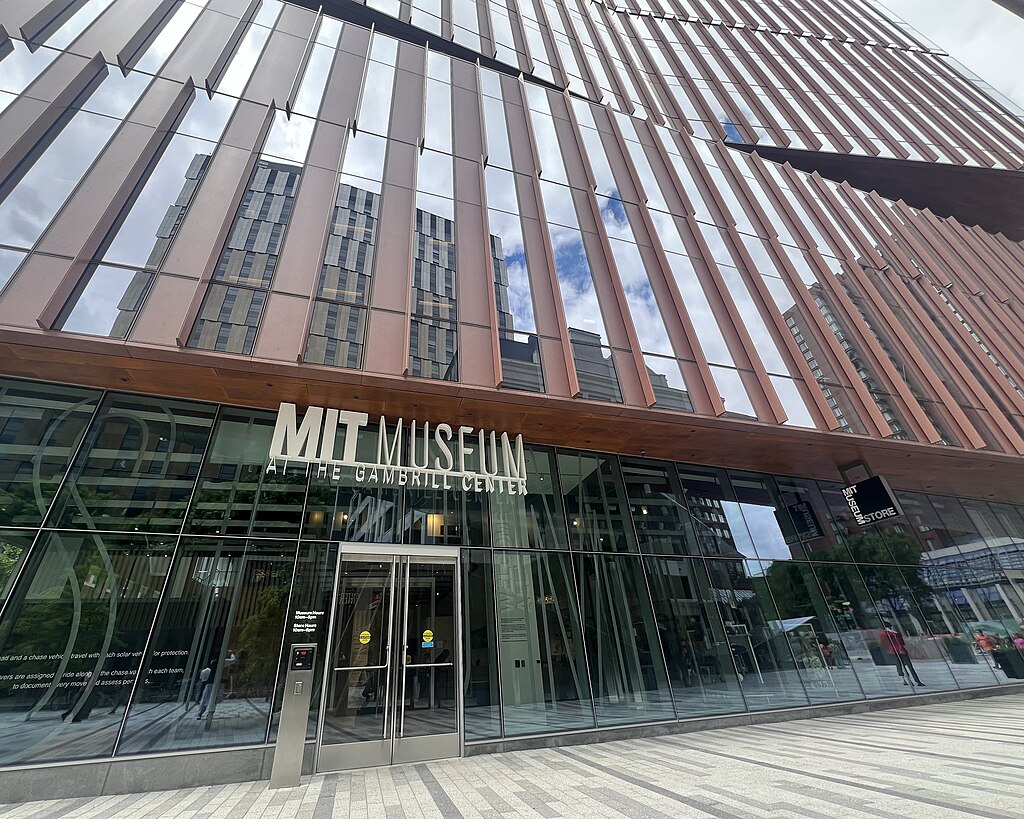
I’ll admit even though I know the area very well even I feel slightly disoriented because of all the new buildings in the area.
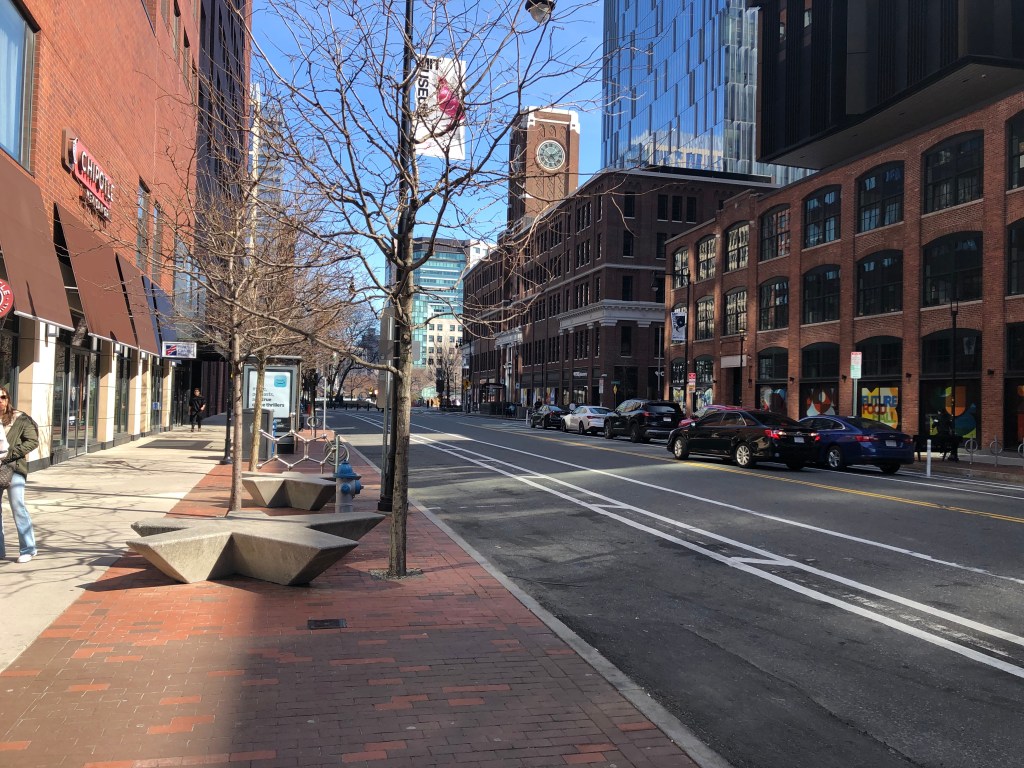
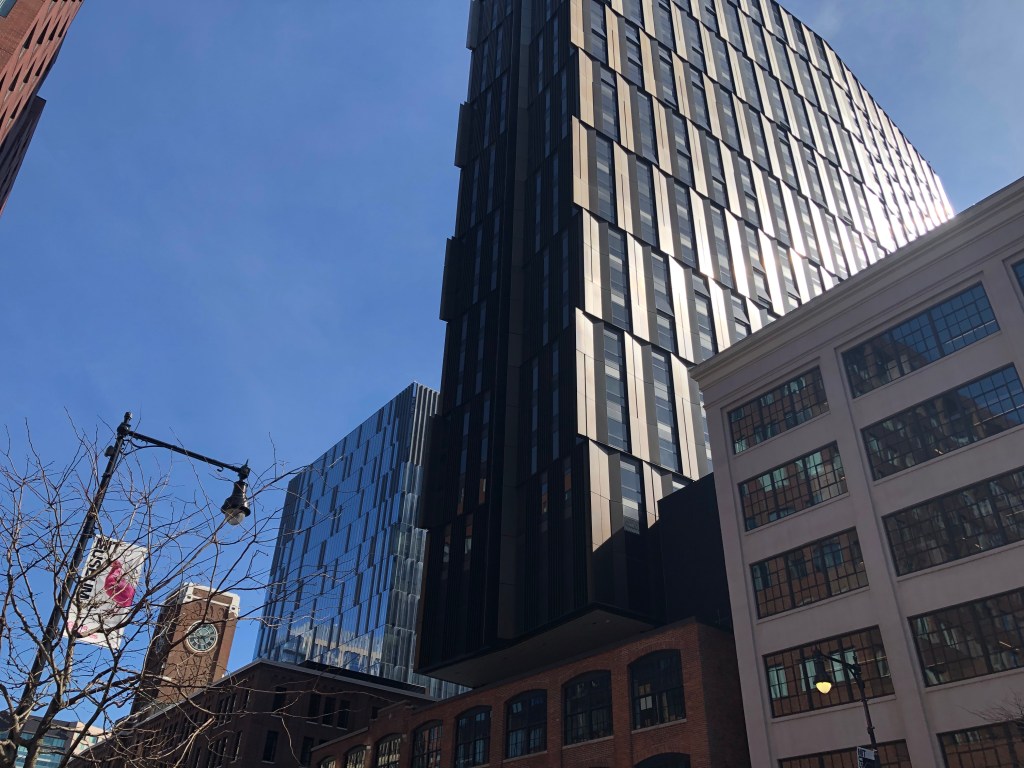
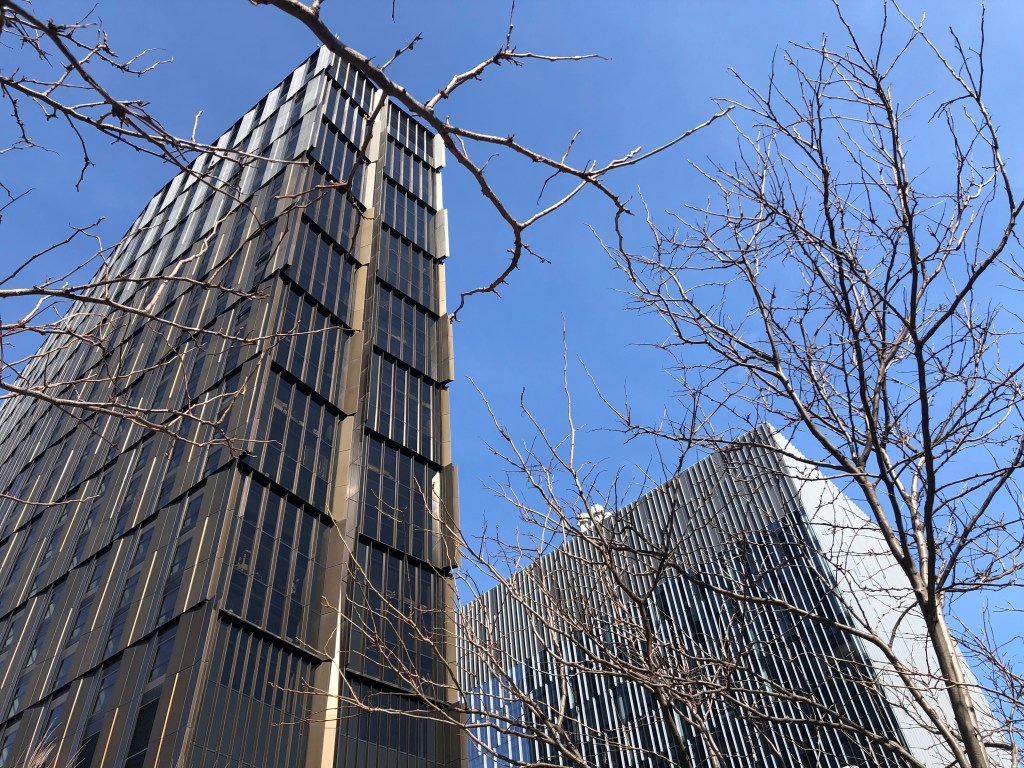
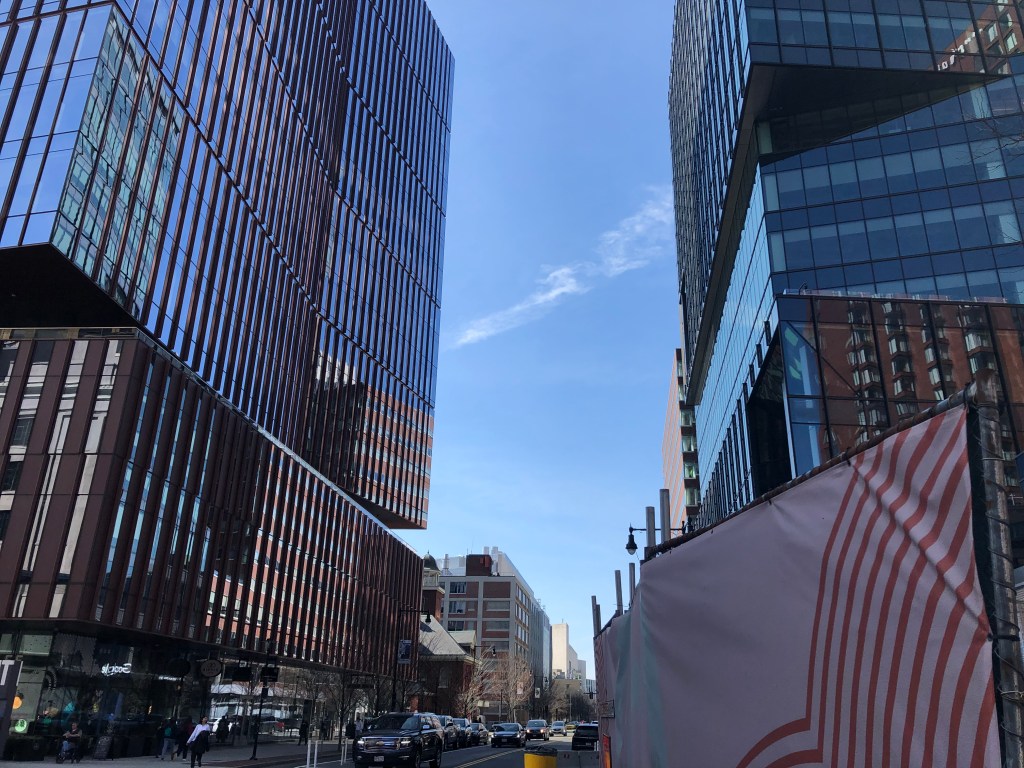

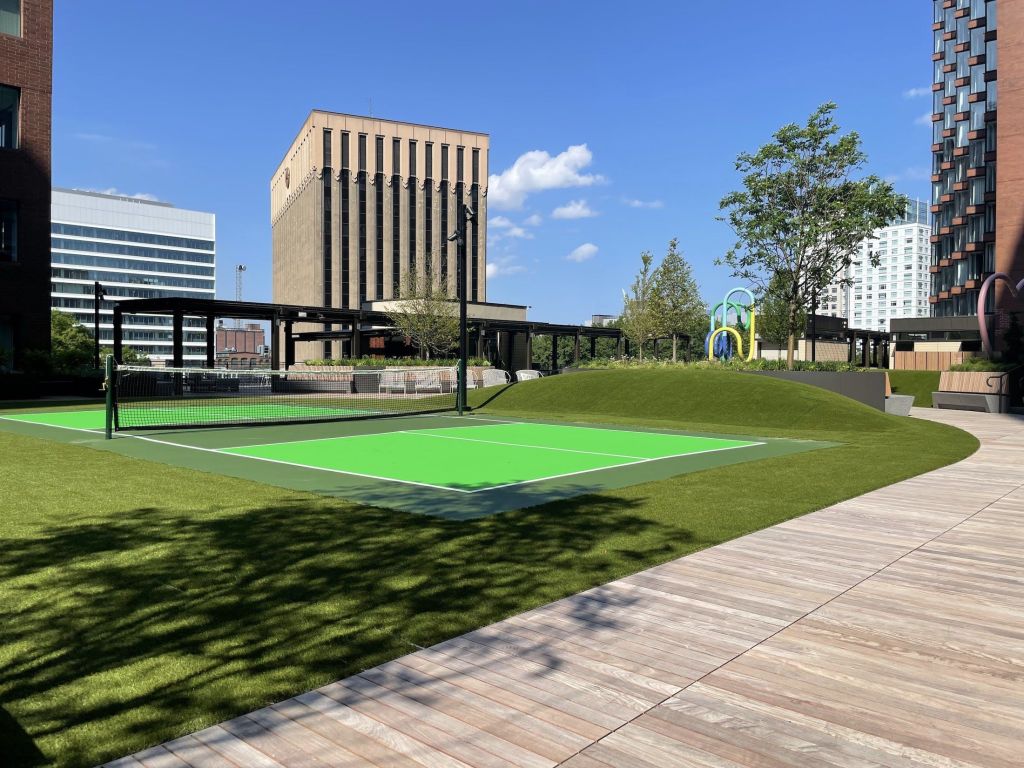
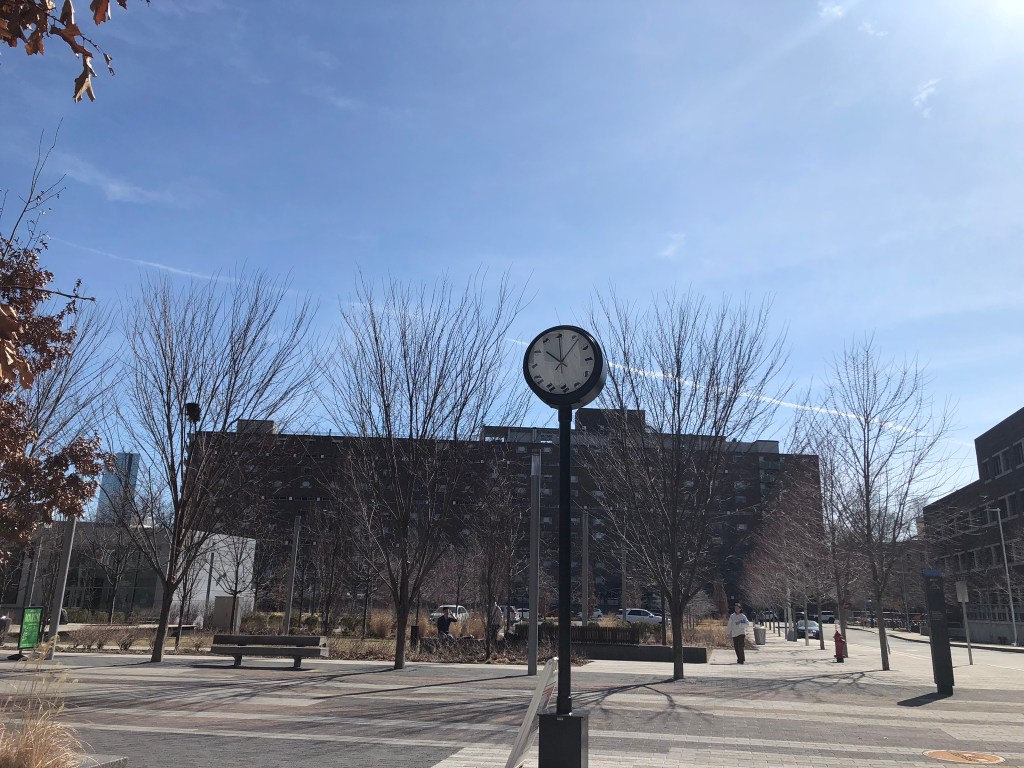
Google has its Massachusetts office in Kendall Square along with a nifty roof garden that is open to the public, so bring your pickleball paddle! 😁 There’s even an outdoor clock/art installation, Against the Run, where the second hand is stationary and the clock face itself rotates, a rather interesting take on the concept of the present moment.
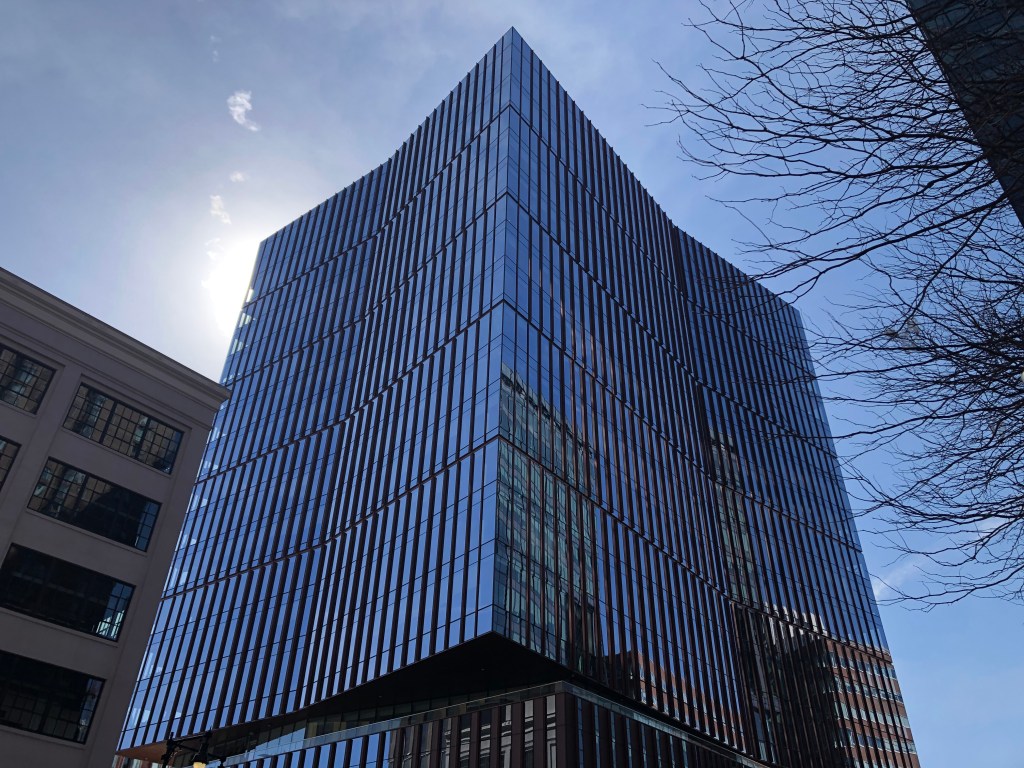
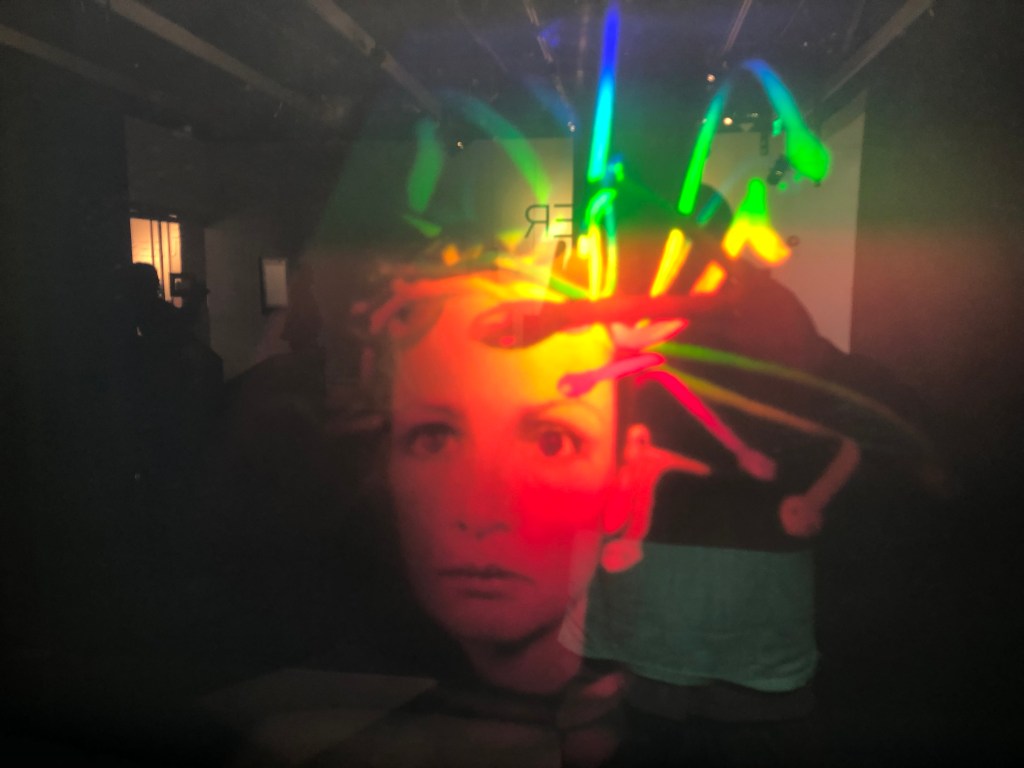
The museum is located on the first three floors of the eye-catching building designed by the firm of Weiss/Manfredi. The day I went, I was first greeted by the equally eye-catching Hallucinating Traditions art installation created by artist Azra Aksamija. It features her wearing AI generated headgear which morph into each other displays on holographic fans.

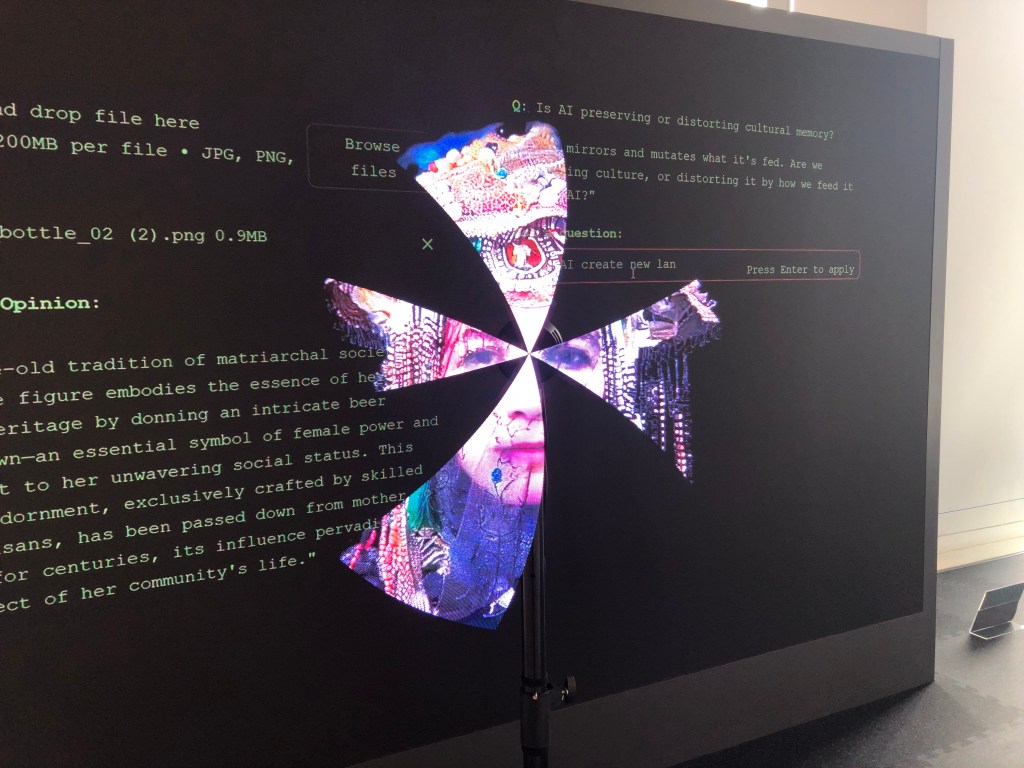
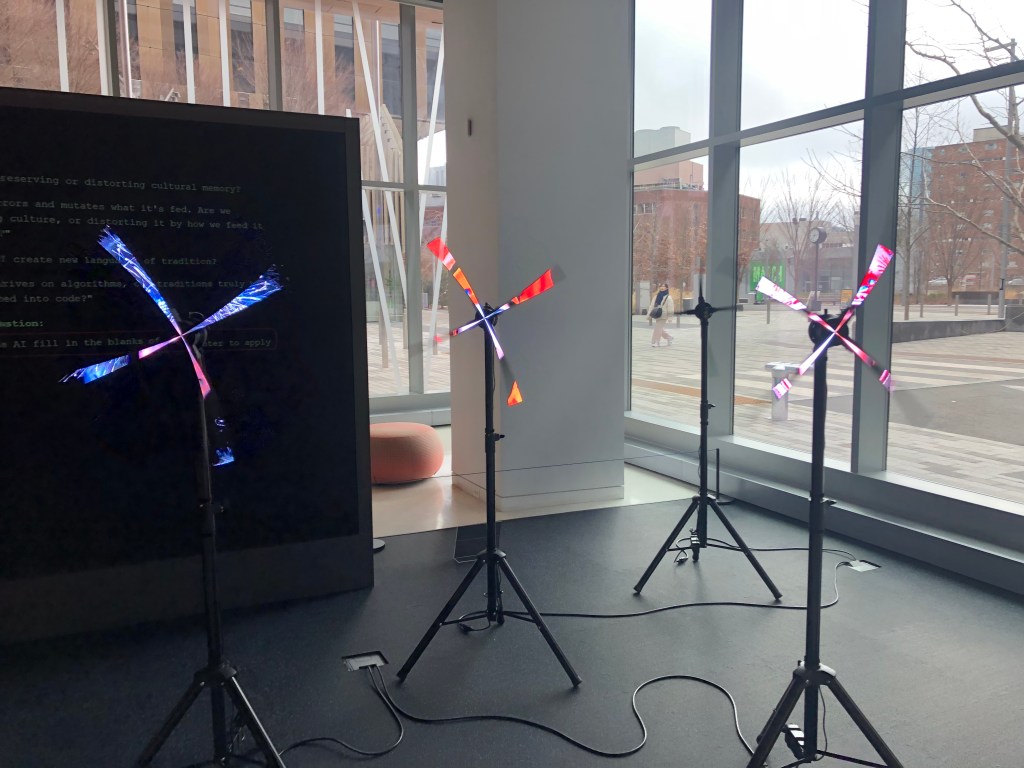
I guess I should have videoed this display instead of taking stills! 😃
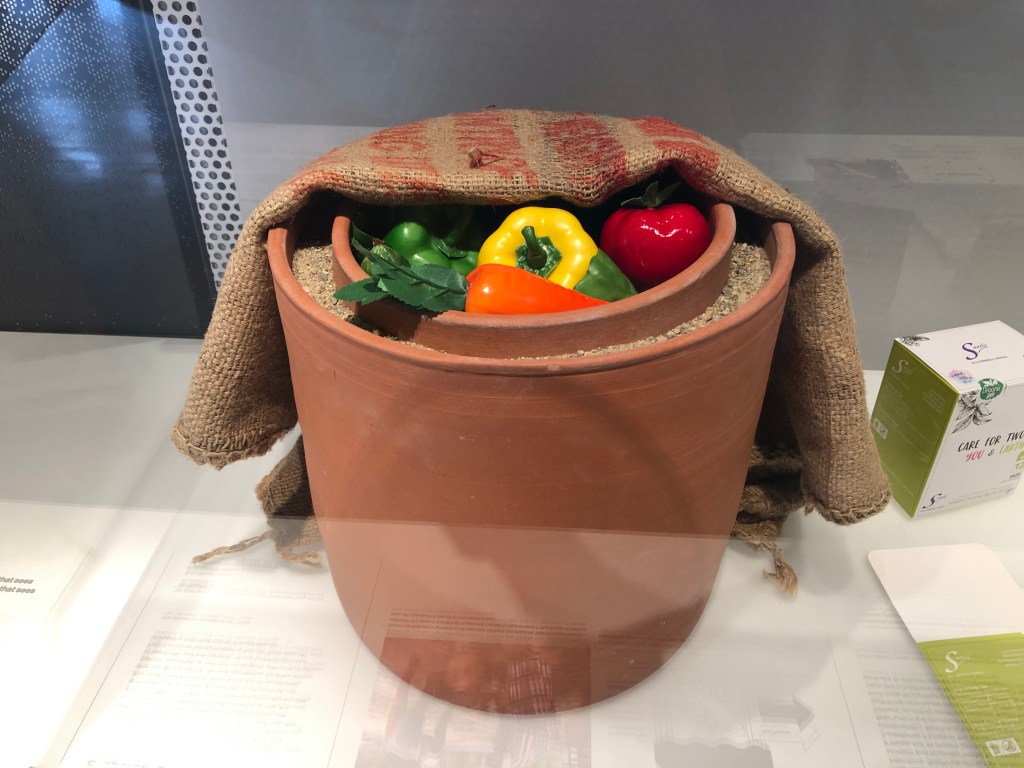
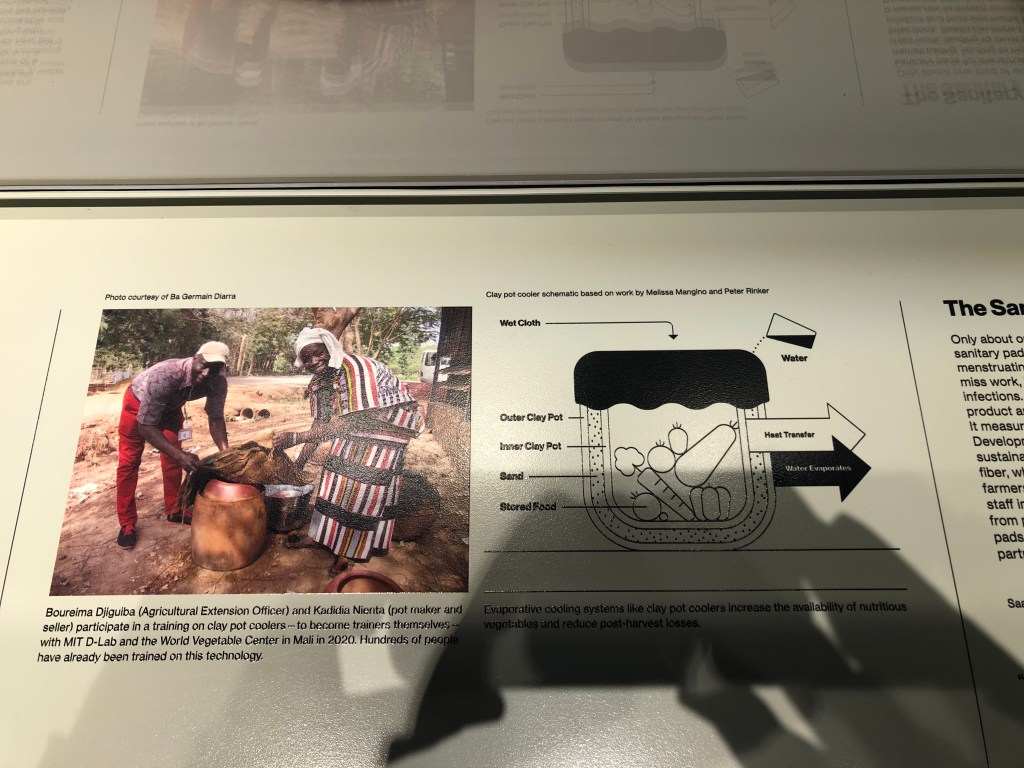
Then I saw various projects being developed by the MIT community in the Essential MIT section that are helping people all over the world solve everyday problems. One such project is a clay pot food cooling system that has been developed for people in African villages that uses available technology to provide natural refrigeration (I am remined of so called “swamp coolers” that are used in the West of this country and an equally ingenious natural air-conditioning that was developed by Buckminster Fuller).
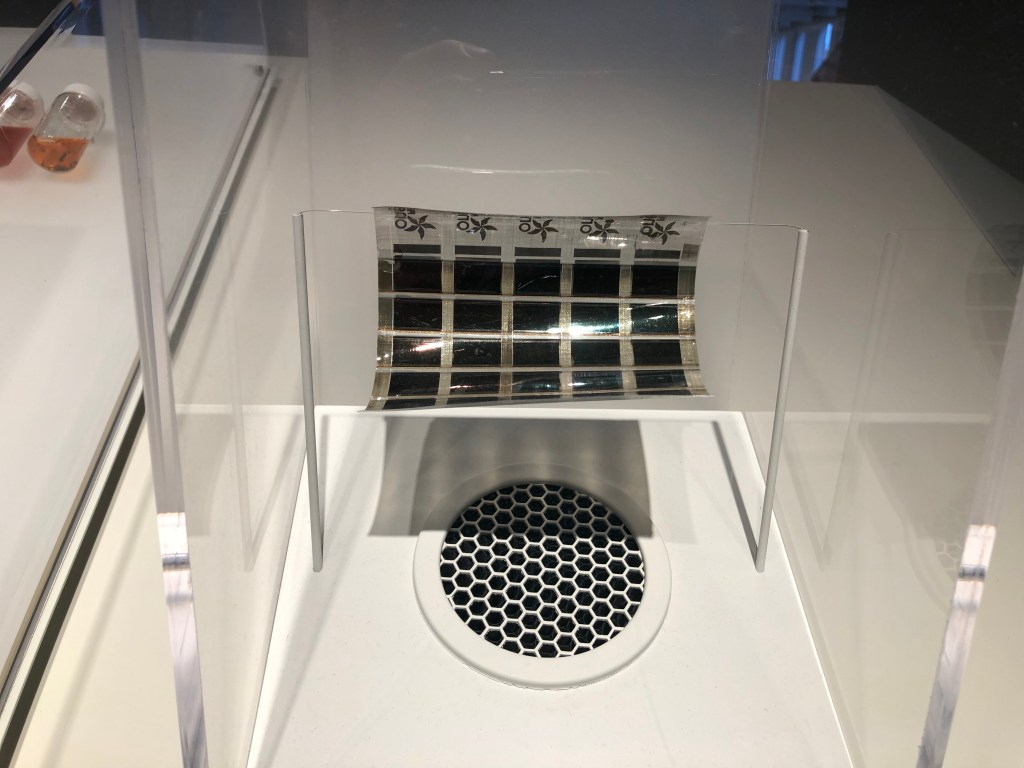
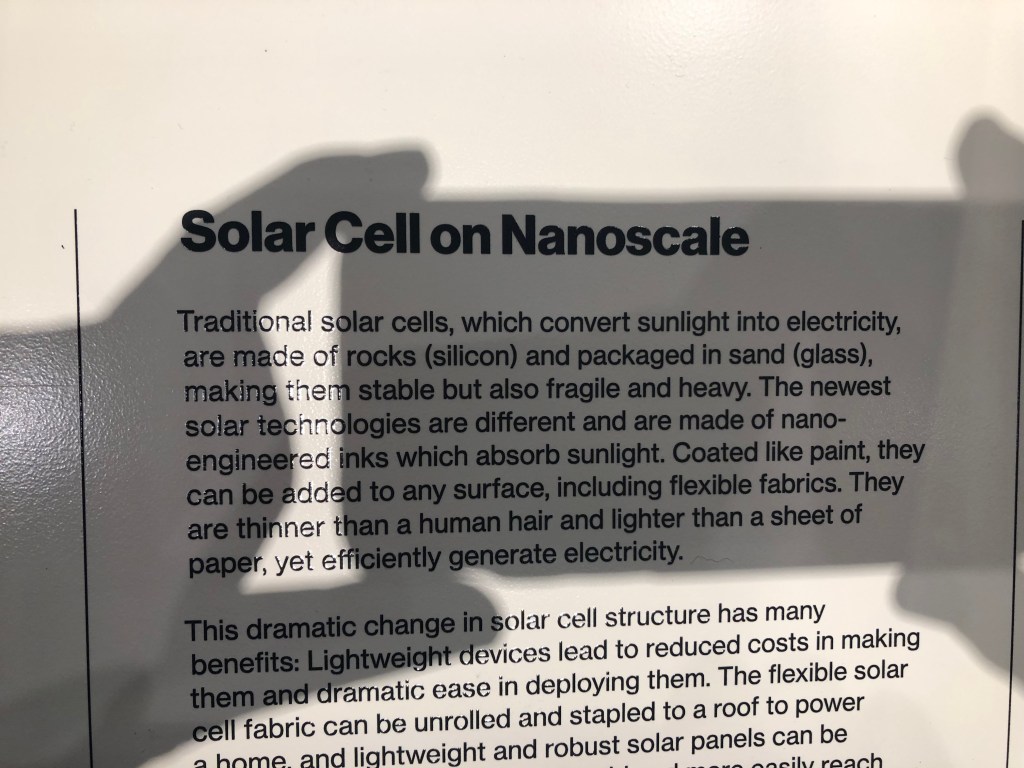
Also on display were projects that address the future of energy, including solar and fusion power.
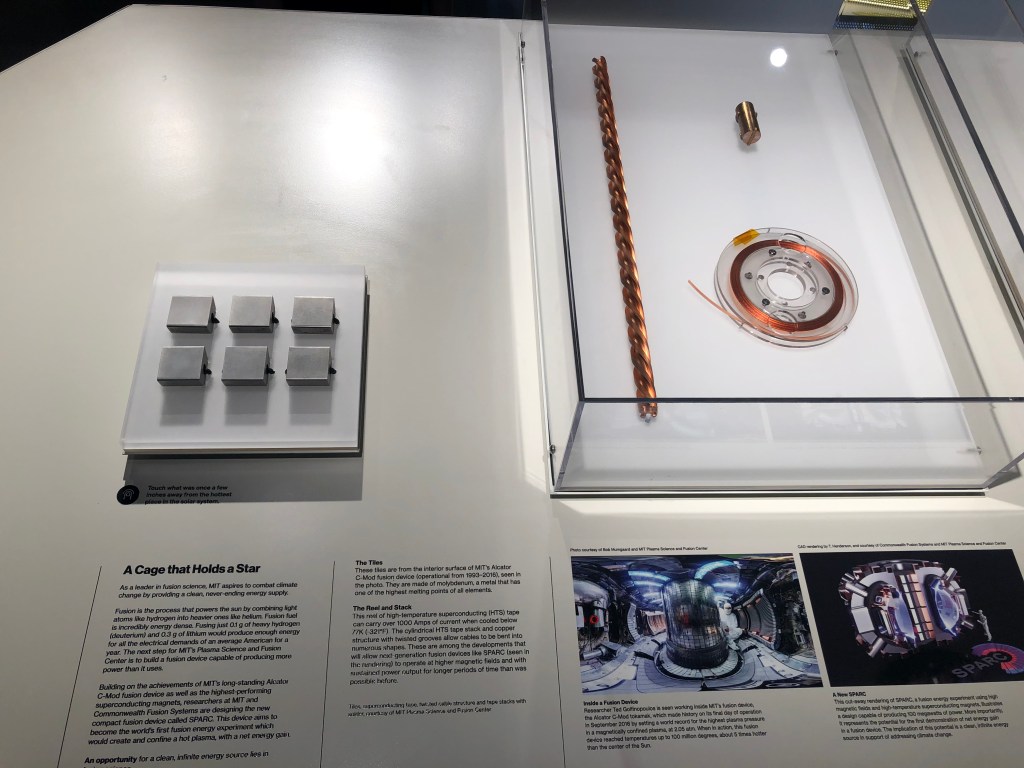
I saw panels that were part of the interior magnetic confinement system of the prior MIT C-Mod Alcator fusion prototype reactor.
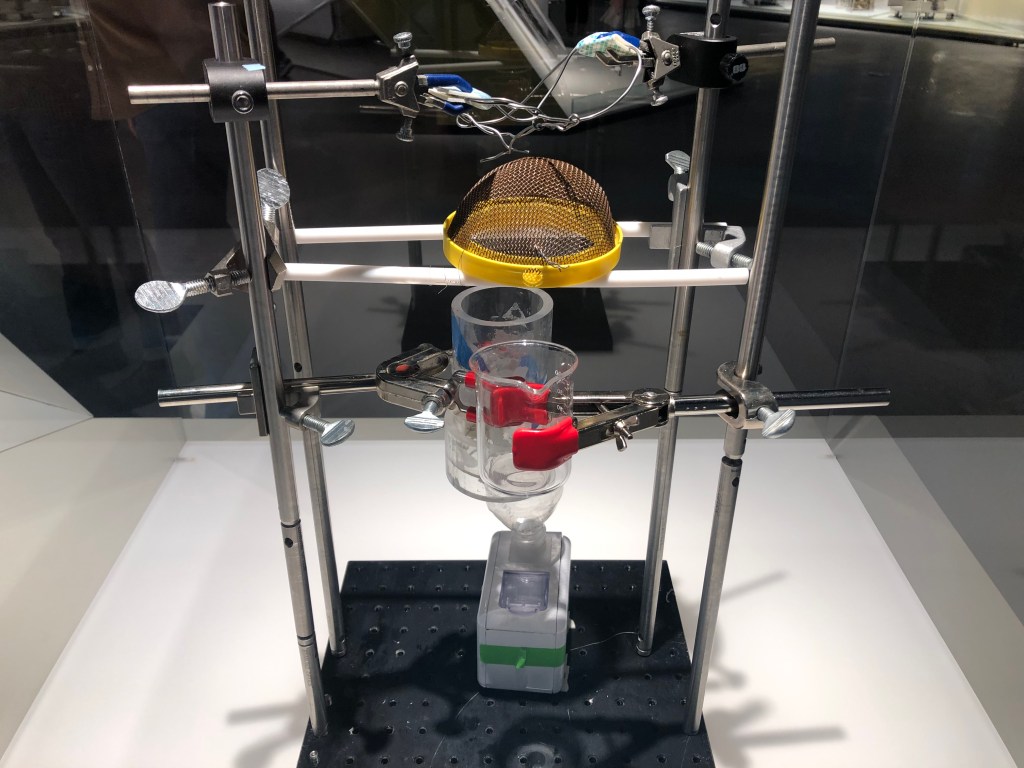
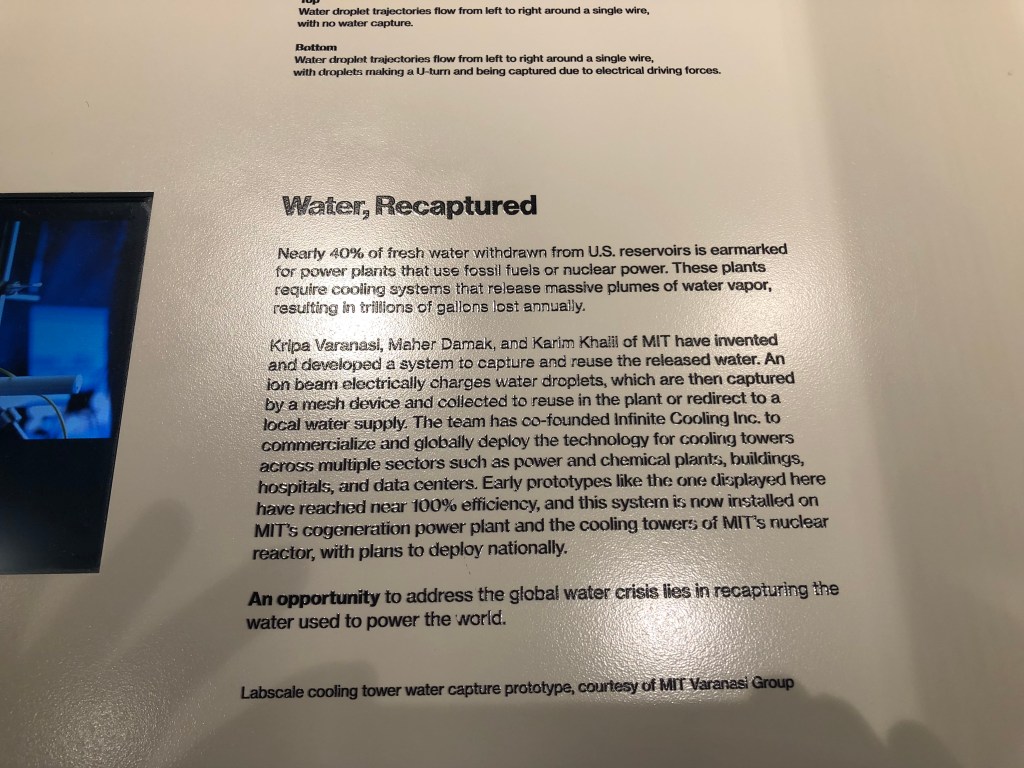
As well as a system of water reclaimation for use in power plant cooling towers.
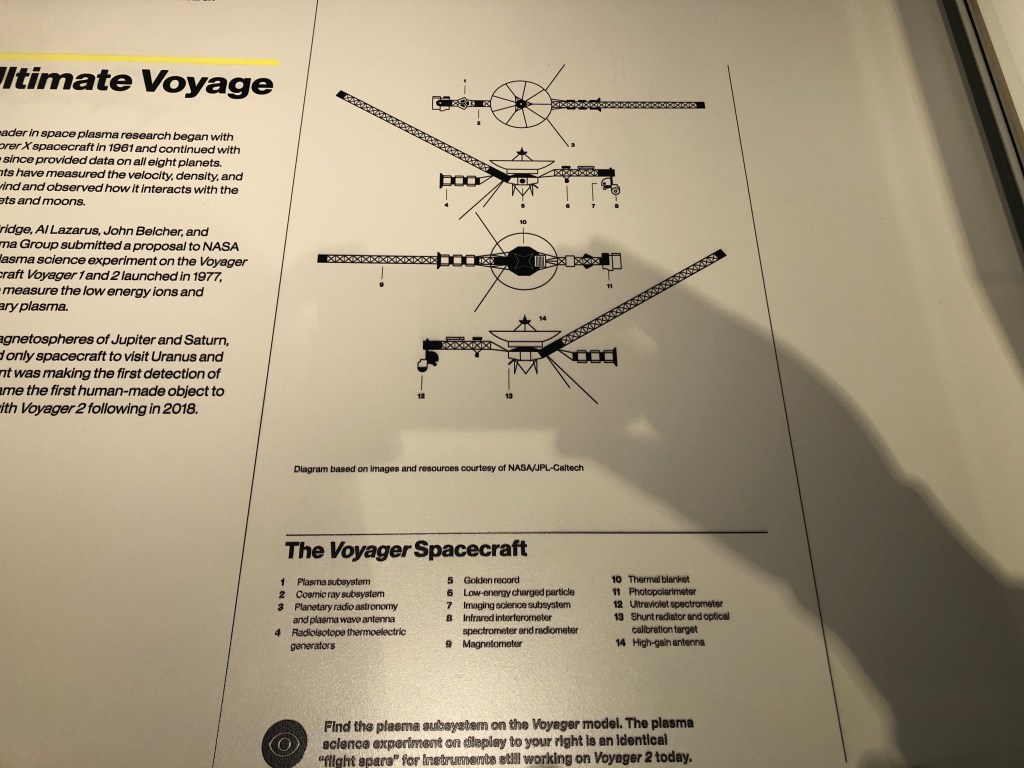
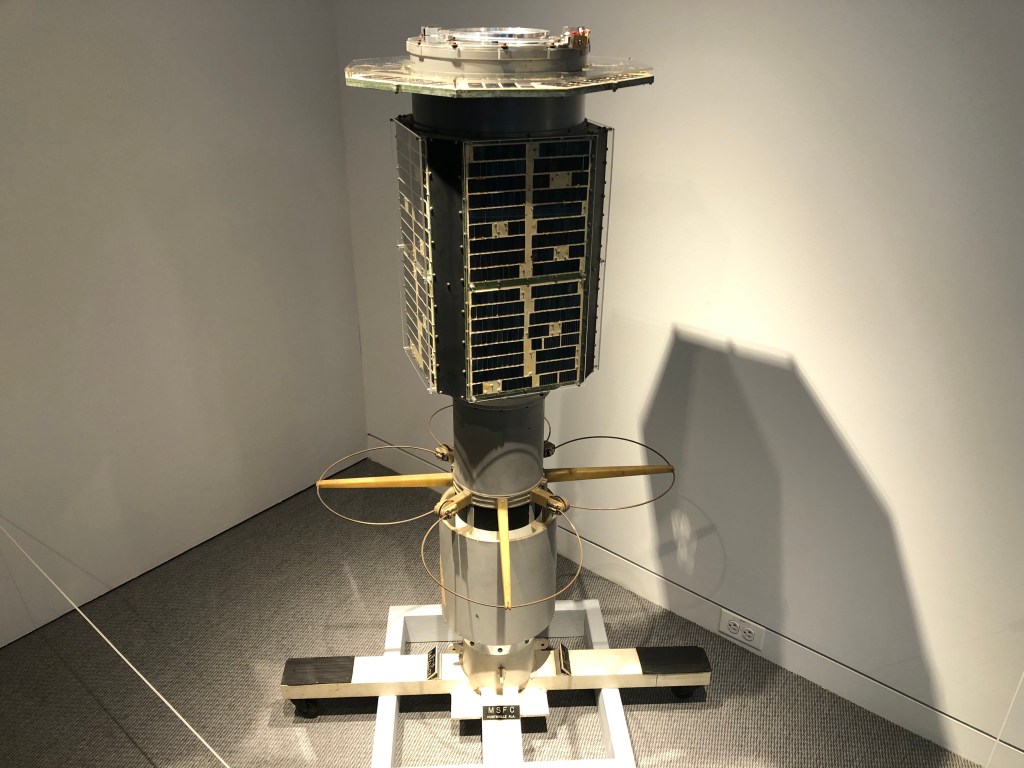
Then from the realm of atoms I was transported to the depths of outer space and saw a “flight spare” science instrument from the Voyager missions designed to map plasma near planets.
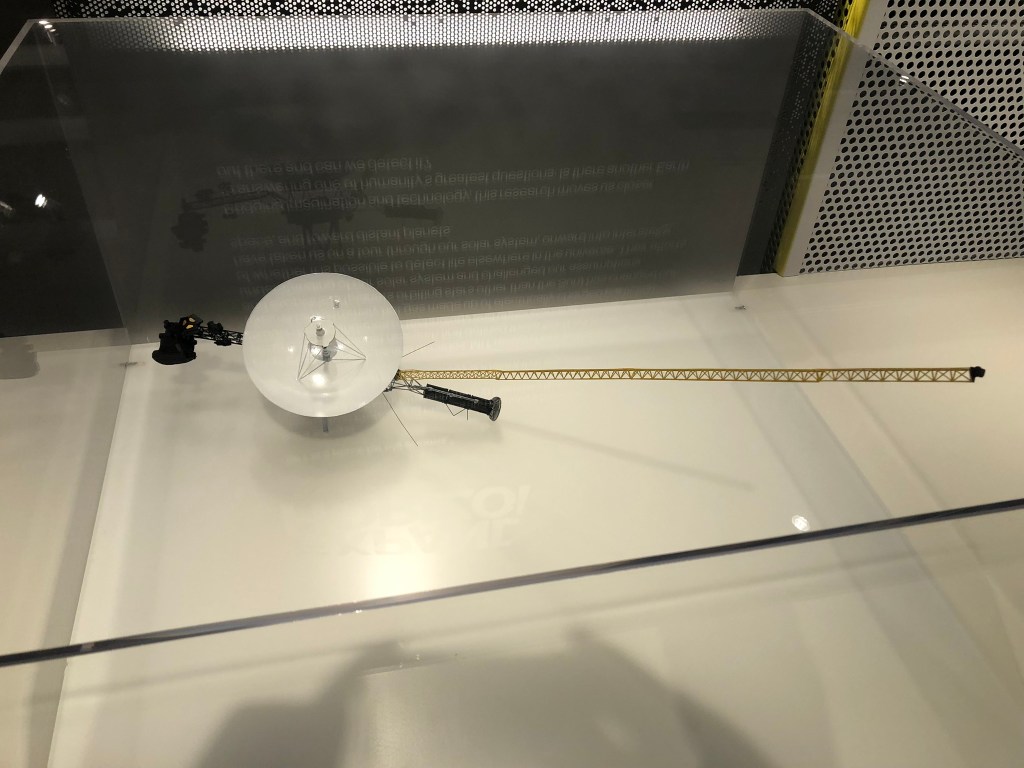
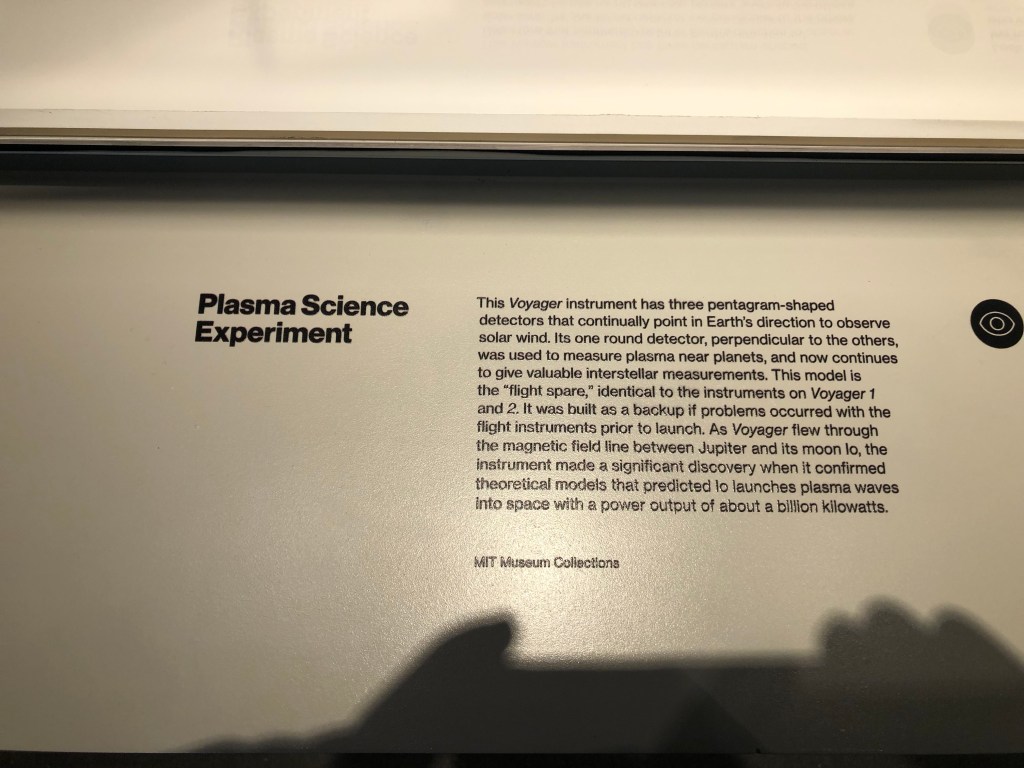
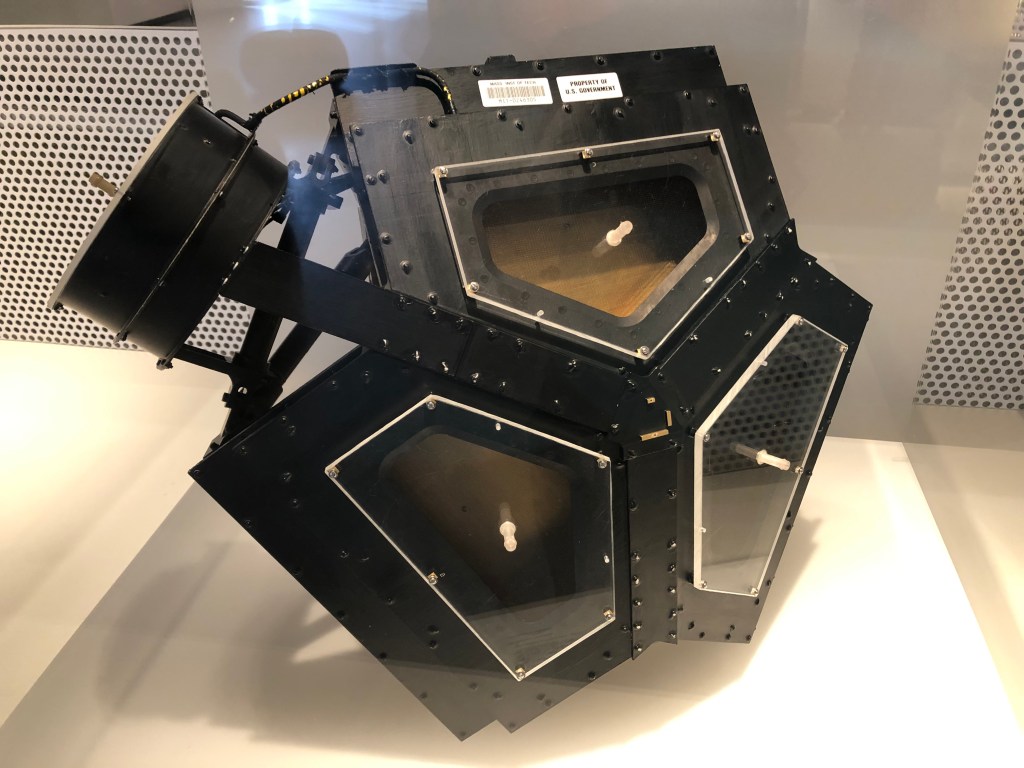
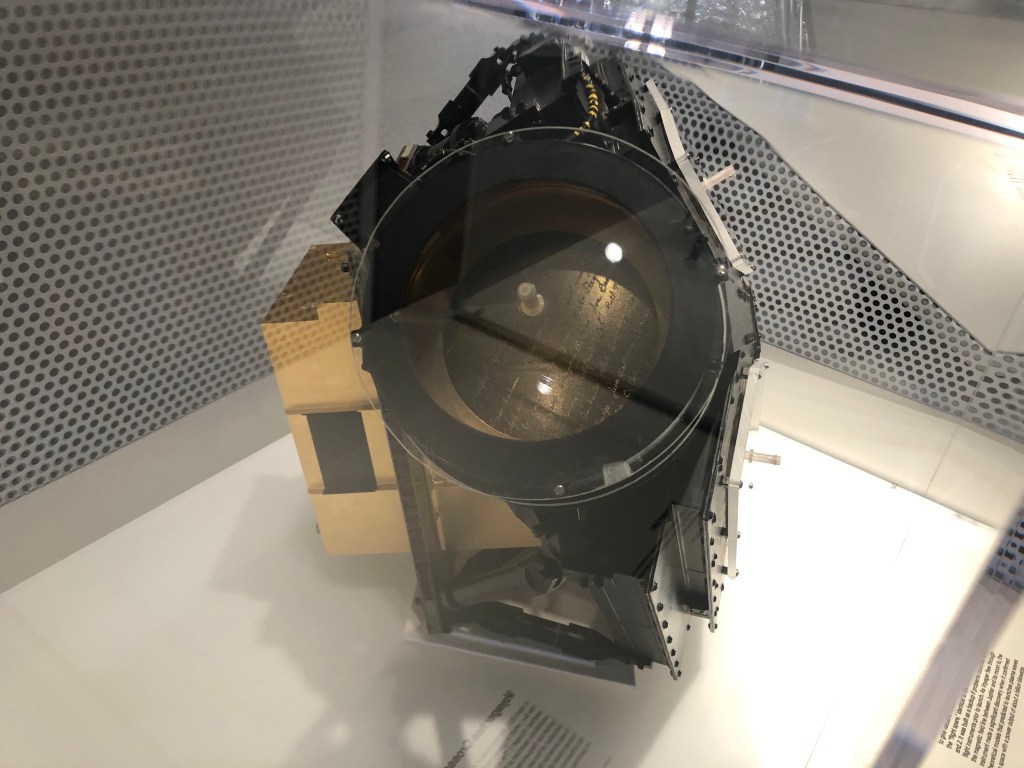
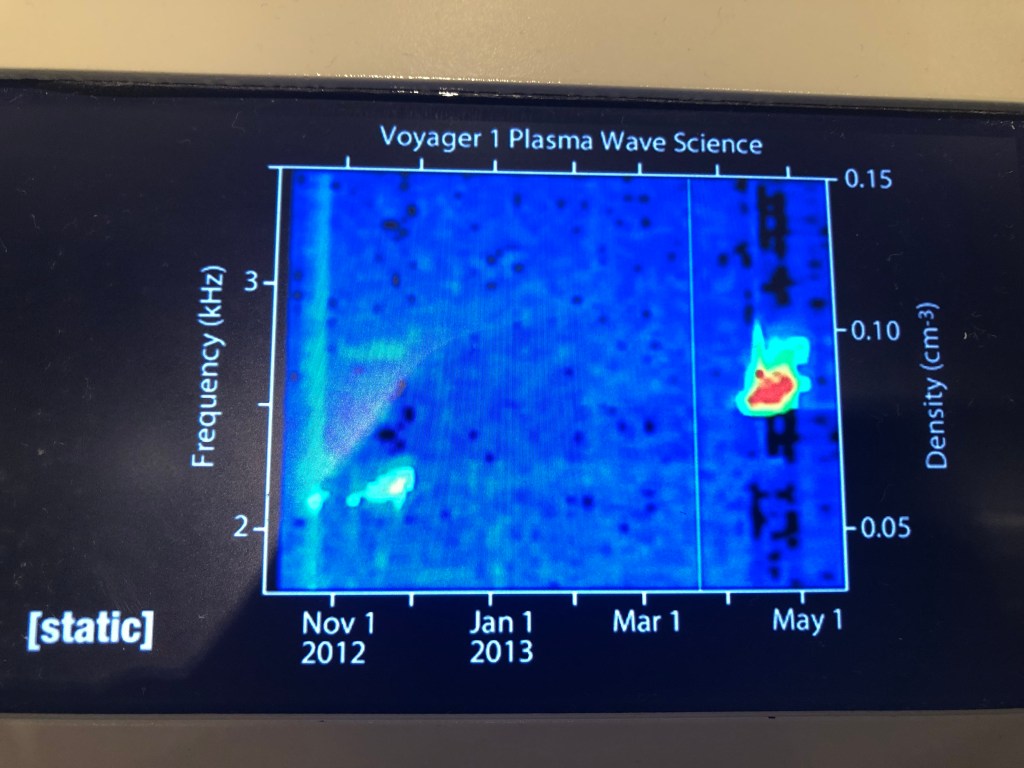
And there was a live display of how far both Voyagers are from the Earth.
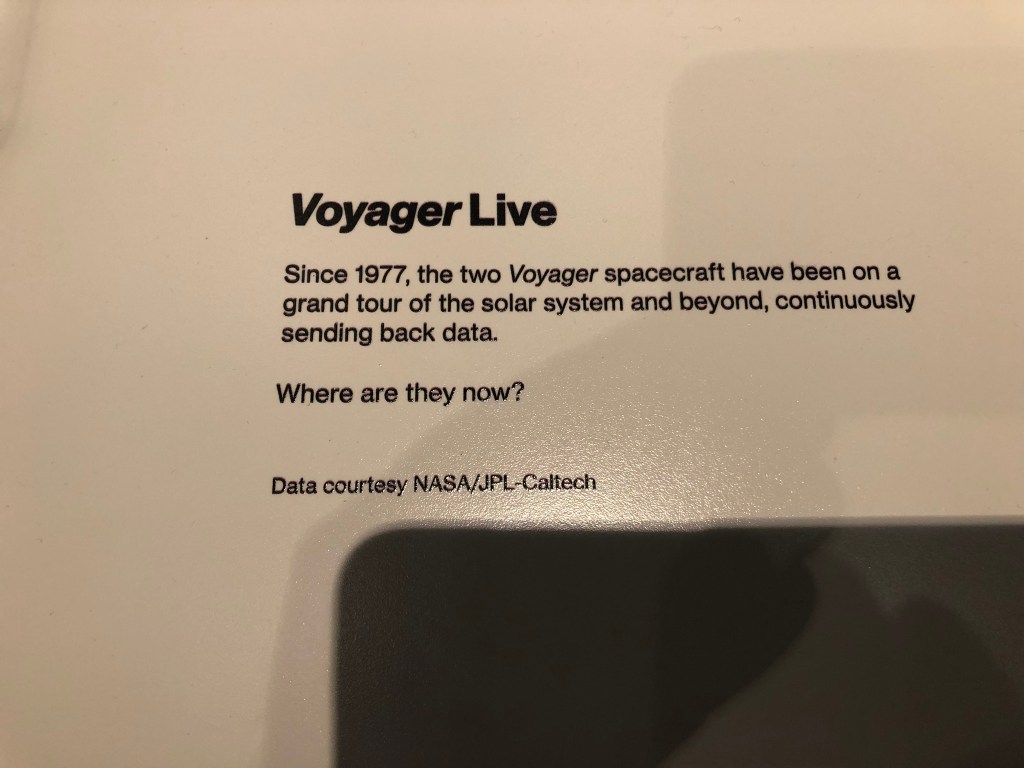
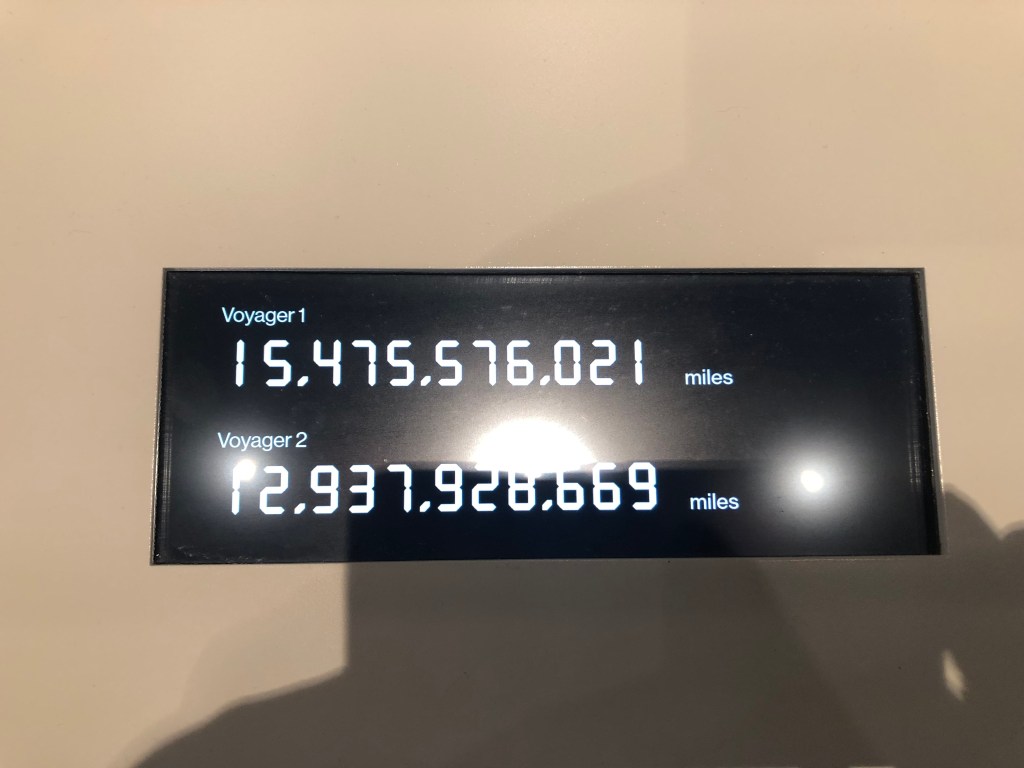
In the space exploration exhibit there was also displays from the TESS (Transiting Exoplanet Space Survey) satellite showing its sky maps in the search for exoplanets.
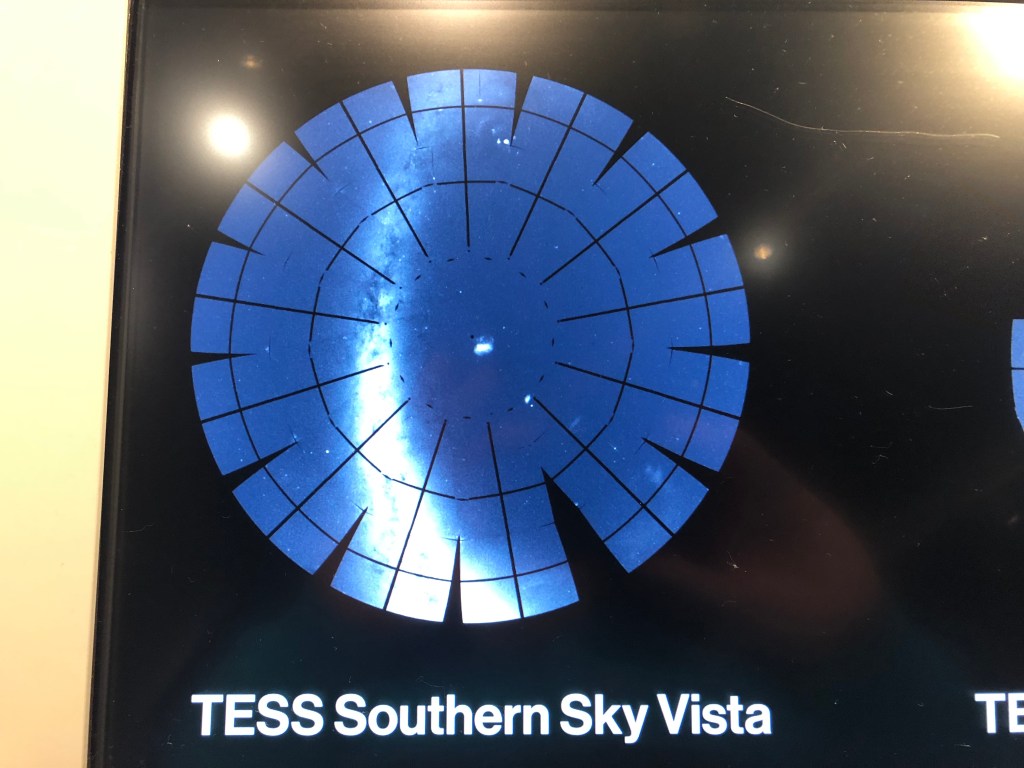
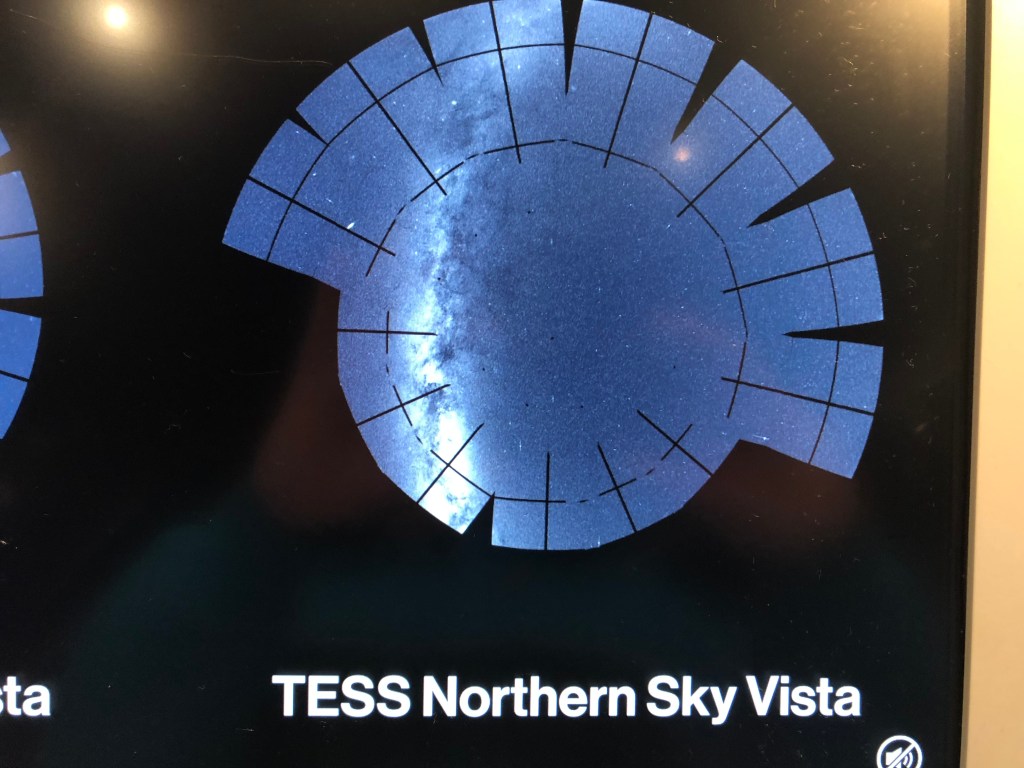
In a whimsical exhibit, you inputted your own personal likes into a dynamic virtual world and saw the results in a nifty floating avatar.
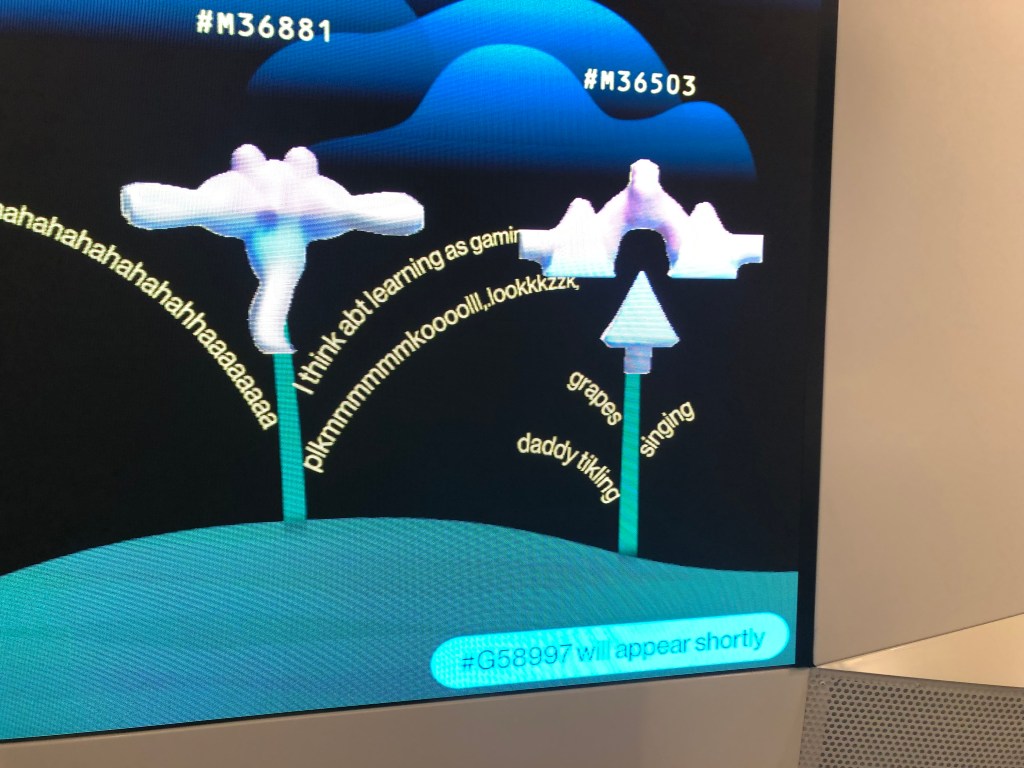
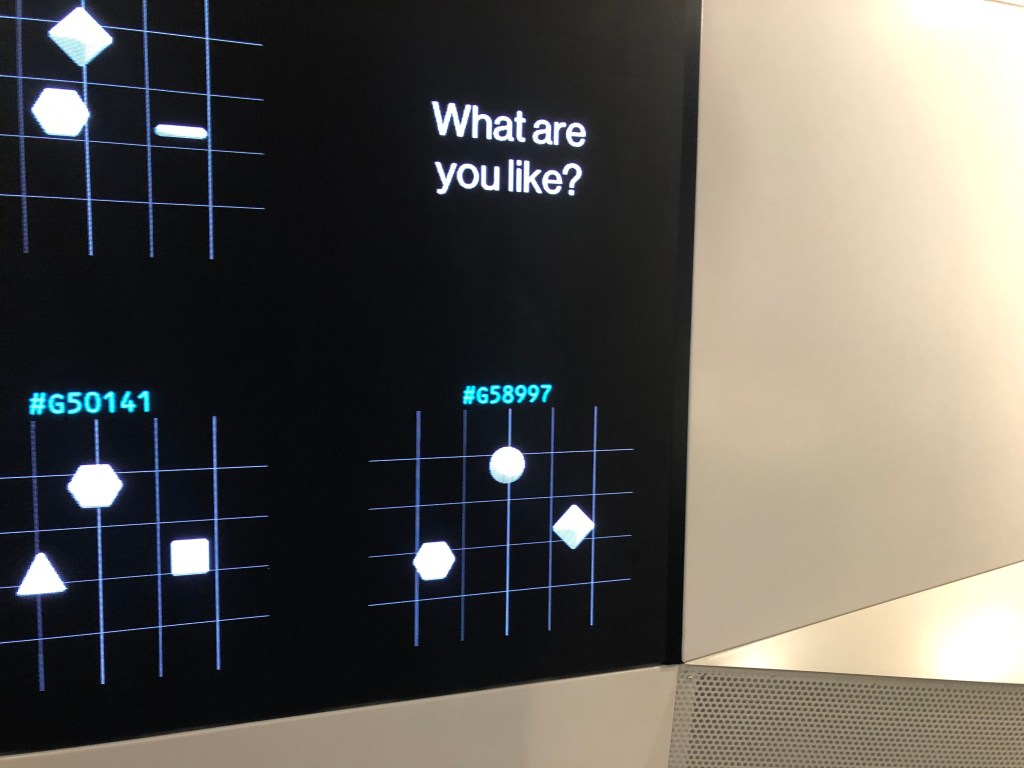
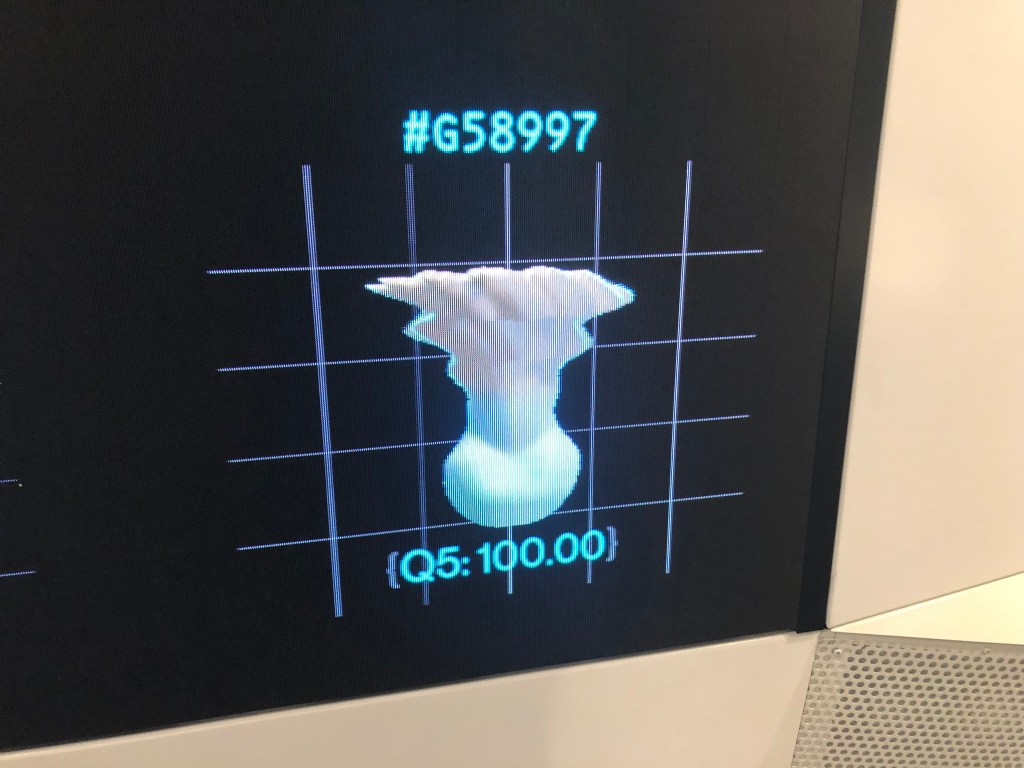
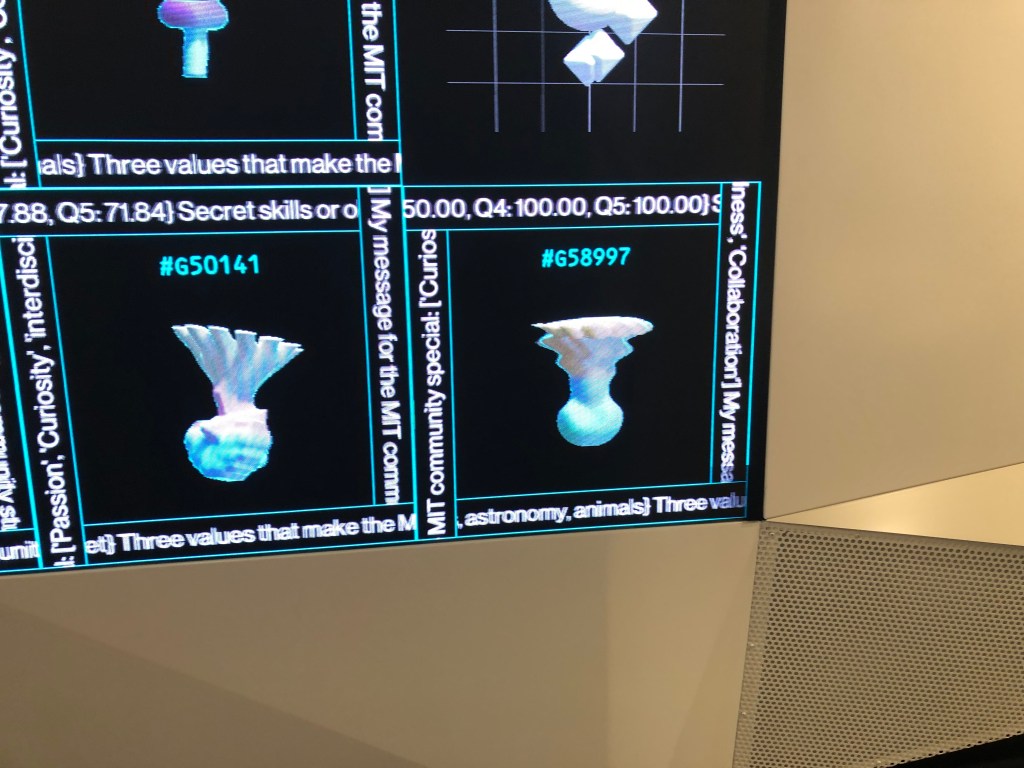
I’m squidee #G58997! 😊😎😃
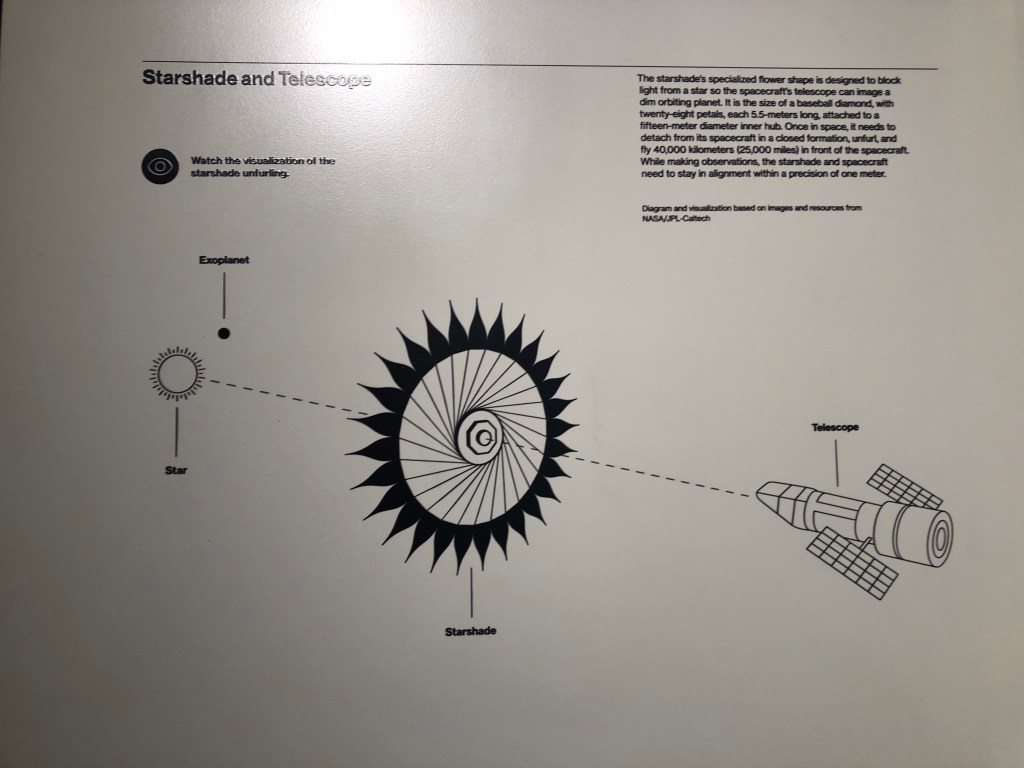
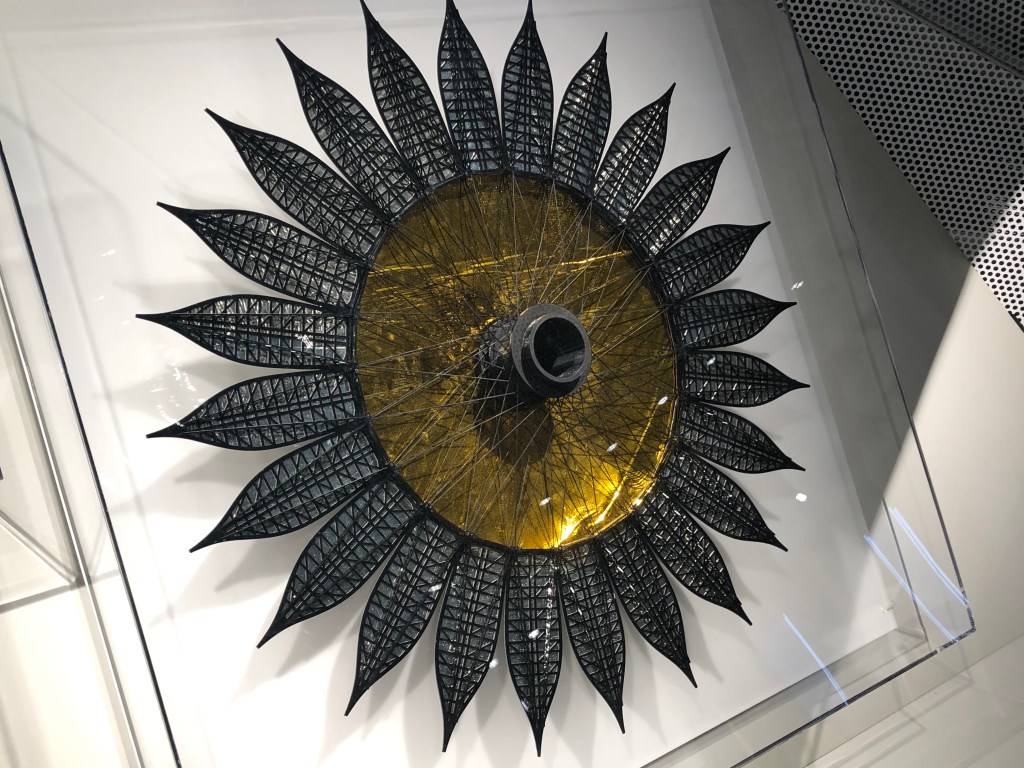
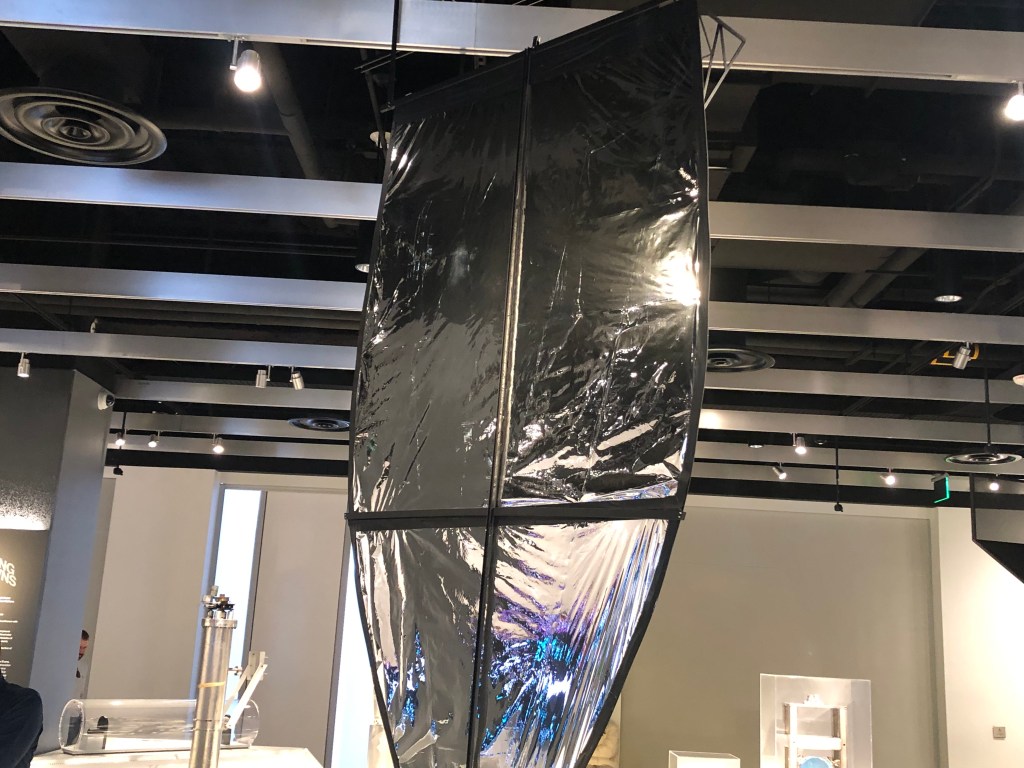
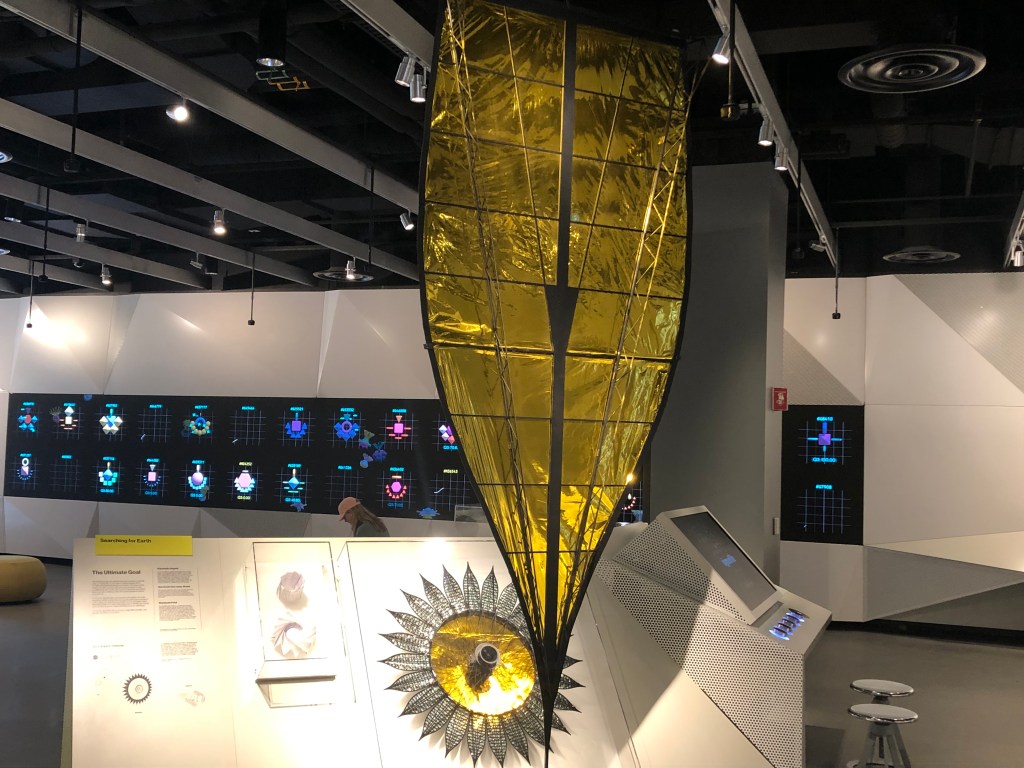
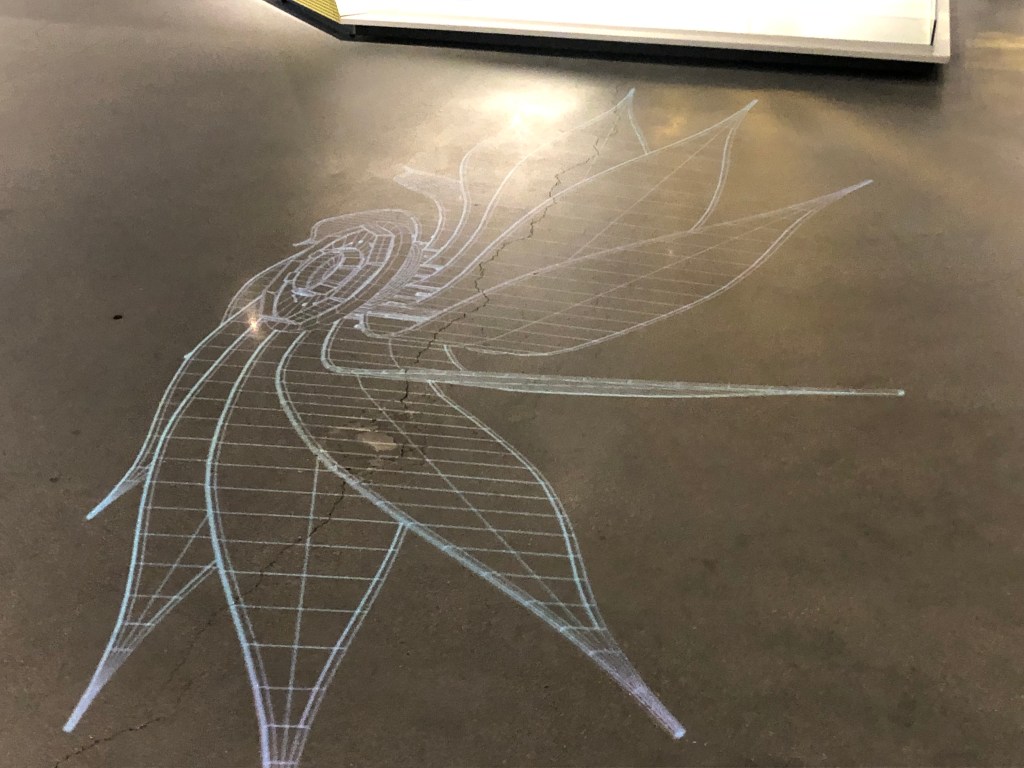
From this interesting and amusing diversion I was then transported back into the interstellar medium to see mockups of a proposed starshade system that also is designed to search for exoplanets by blocking out the blinding light from the target star that would allow the telescope to optically see potential planets.
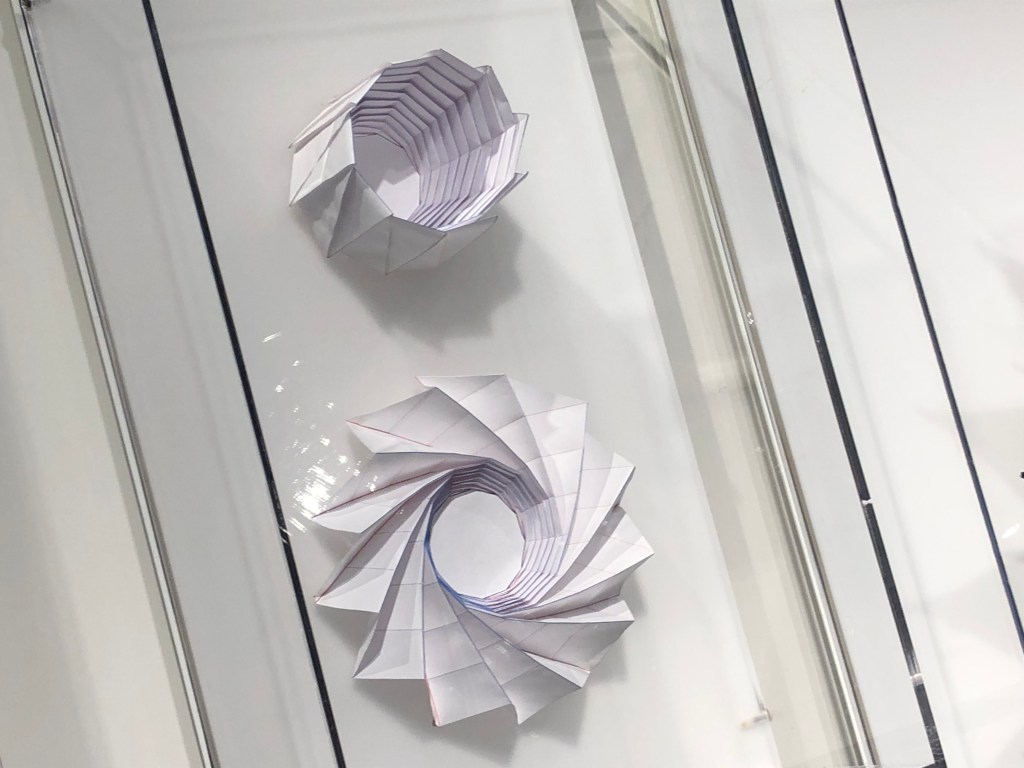
And another cool feature is that it borrows a folding technique from the art of origami.
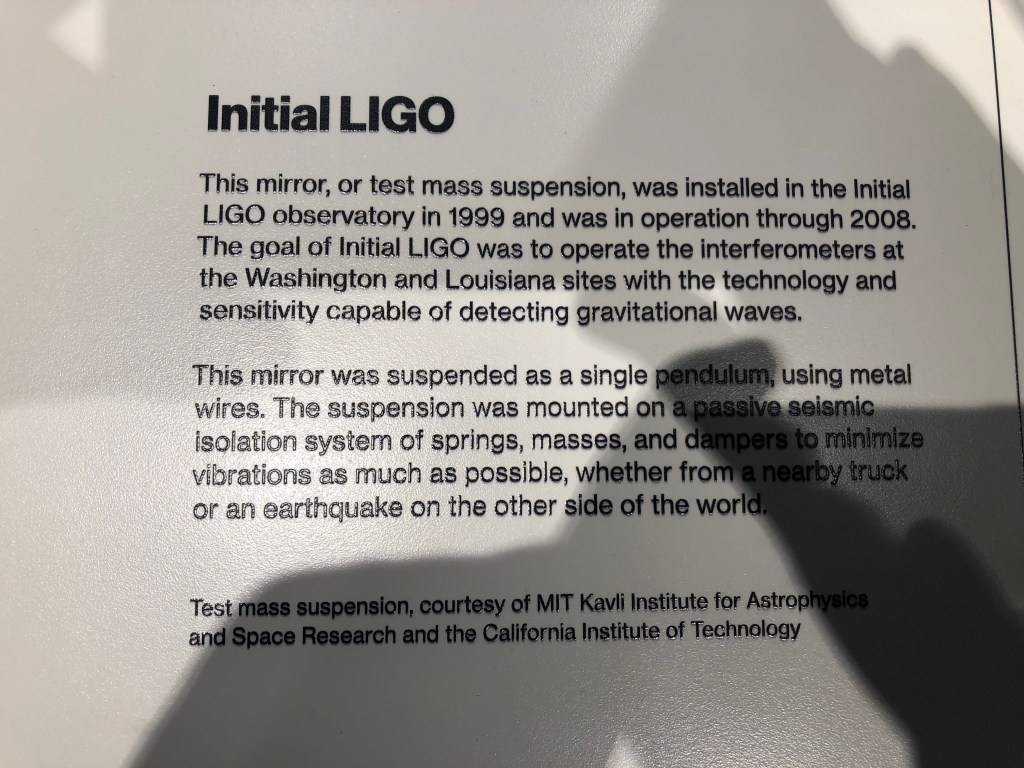
In addition to the search for exoplanets, MIT was also instrumental in the LIGO (Laser Interferometer-Gravitational Wave Observatory). On display was one of the test mass suspension mirrors used in the experiment.
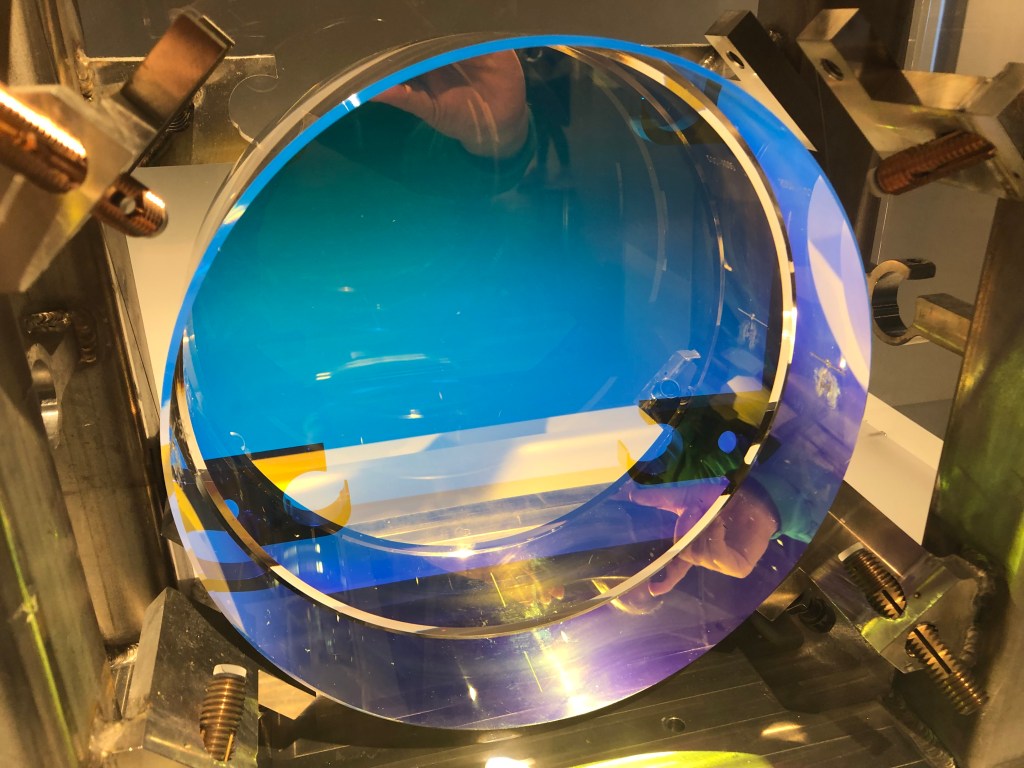
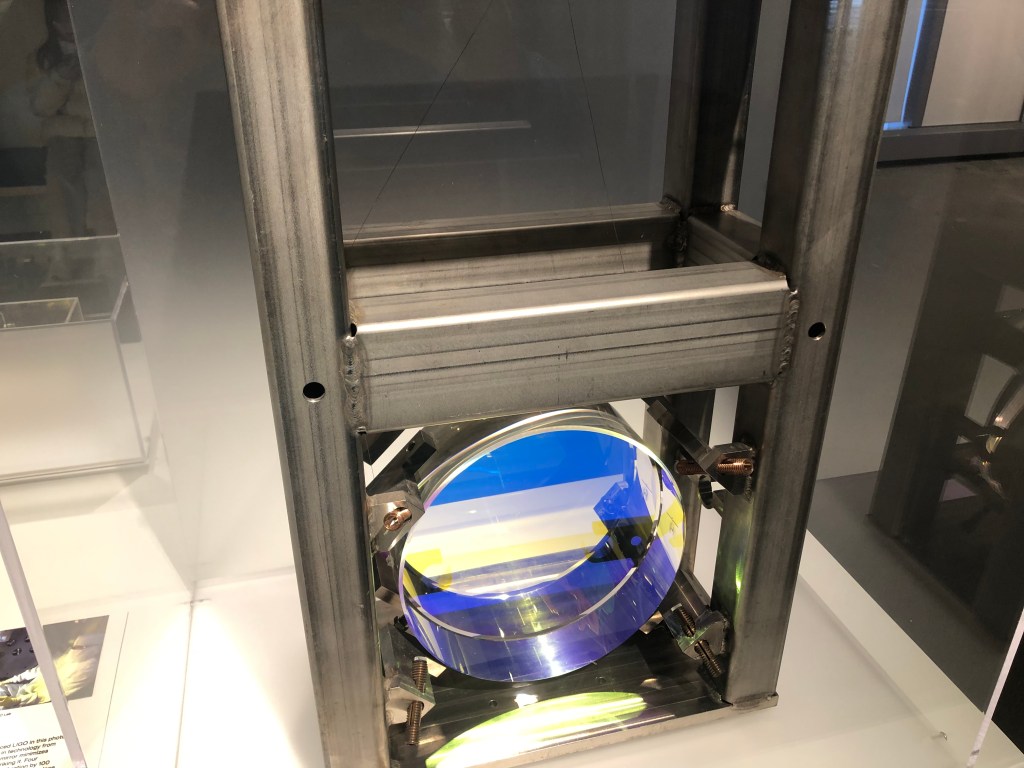
It’s a very purty instrument!🙂
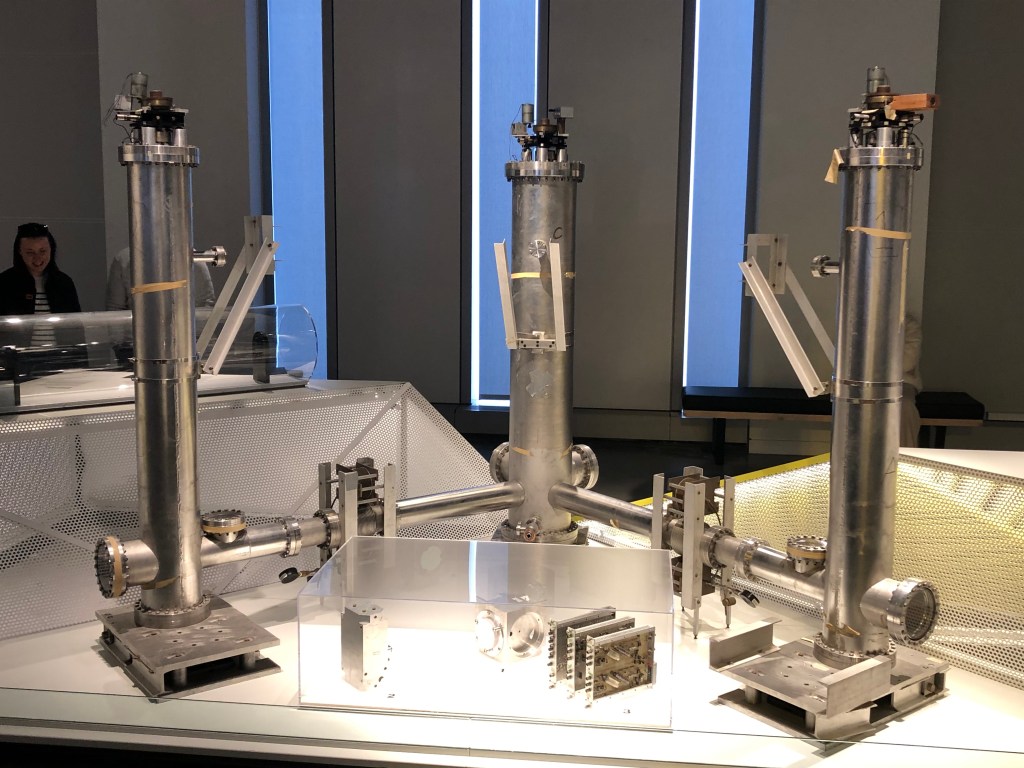
The two lasers were set up at a 90 degree angle to each other and were calibrated to produce a destructive interference with each other. If a gravitational wave passed through the Earth, one arm of the assembly would change length and thereby create a flash of light on the detectors.
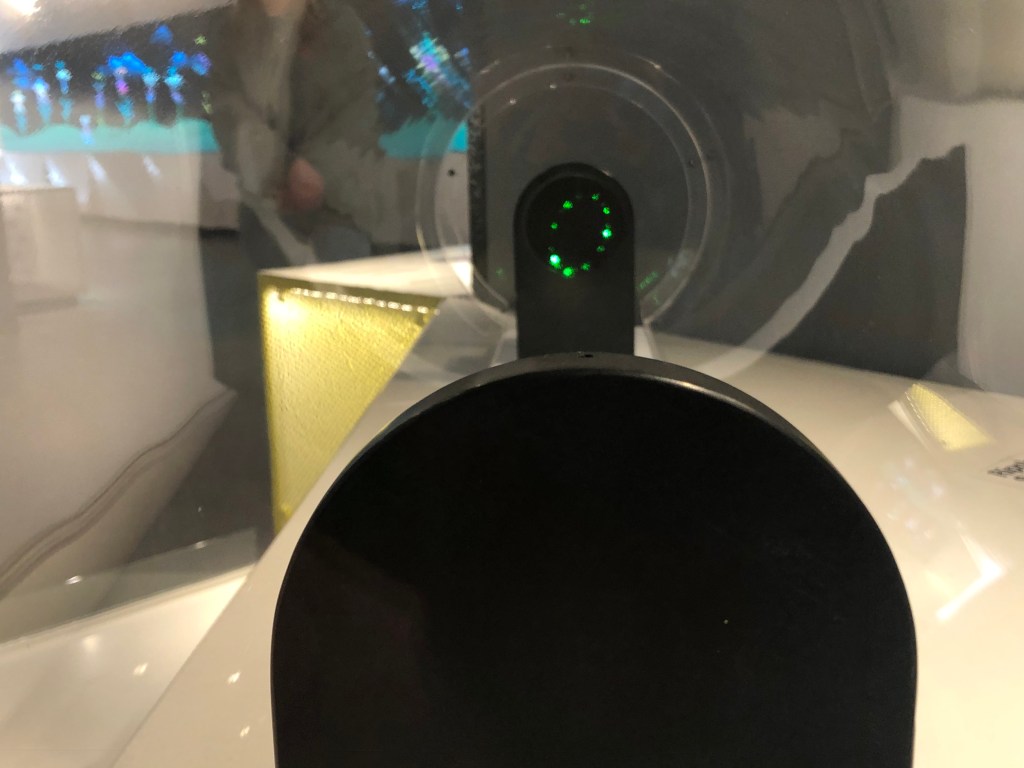
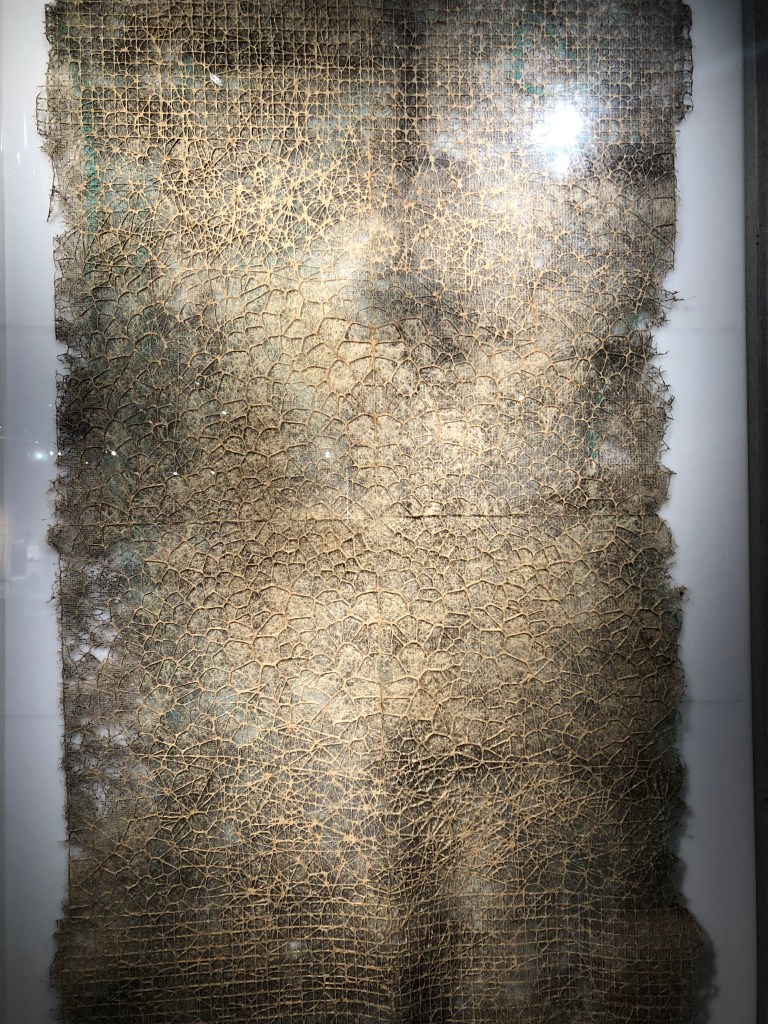
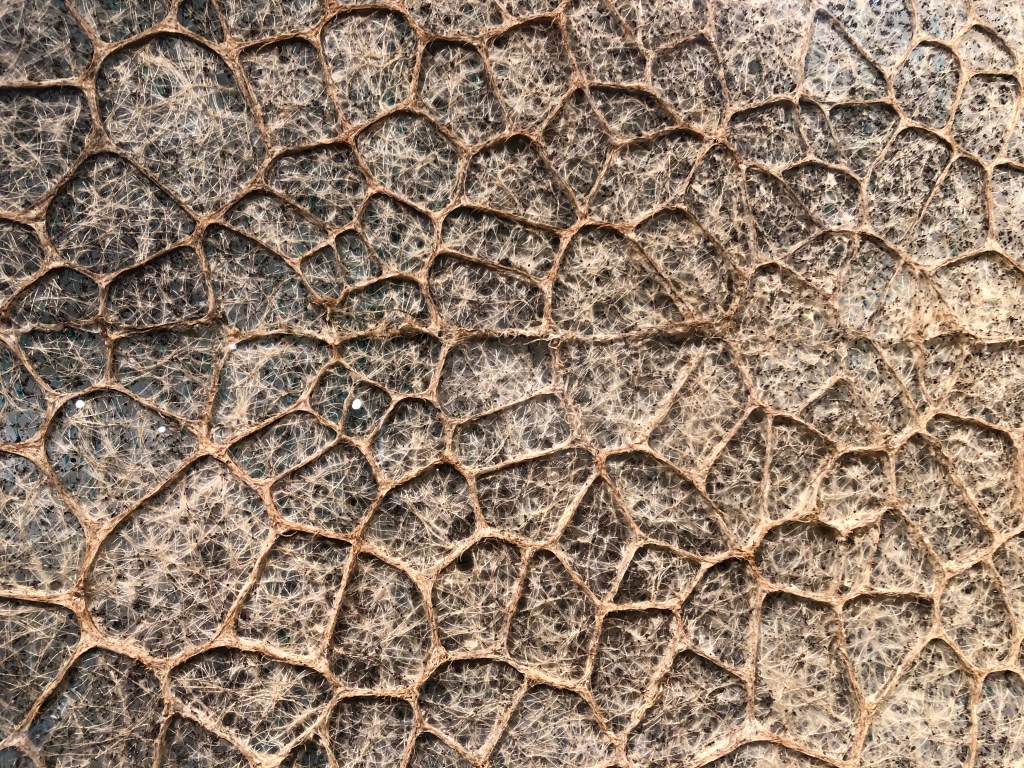
Of course the MIT Museum showcases science and technology, but like in the prior version it also features various artwork. Such as this intriguing wall art made of living fibers.
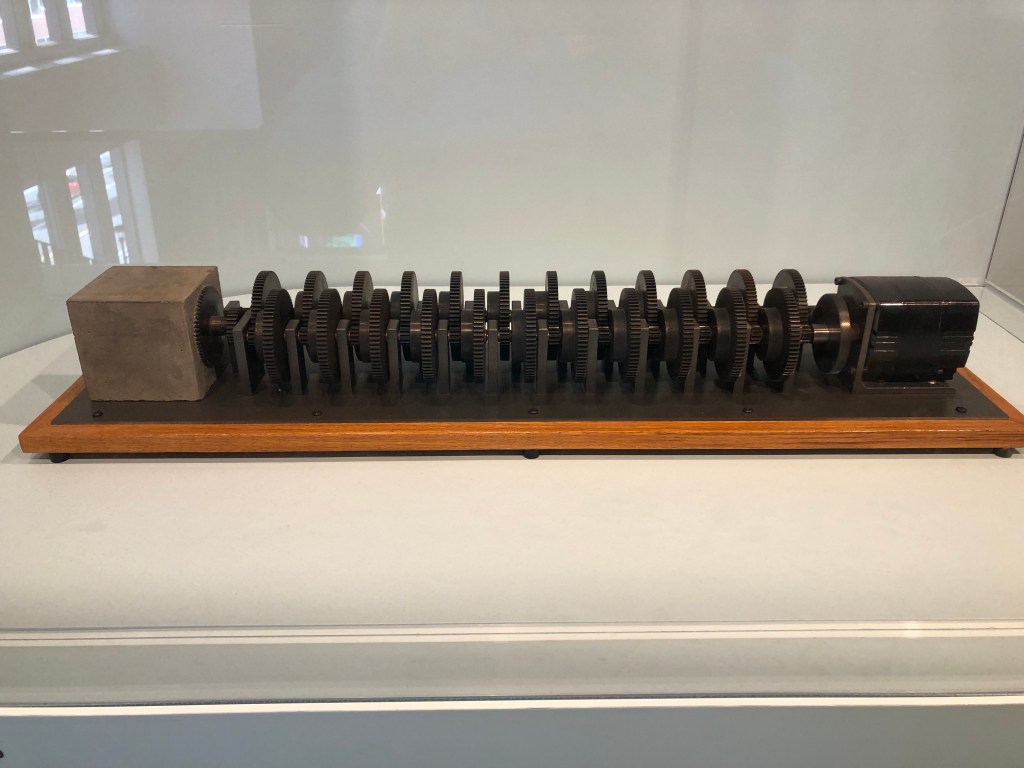
And a carry over from the former museum are several of the pieces that were part of the long running exhibit of kinetic artist Arthur Ganson. My favorite is Machine in Concrete, which is a fascinating linkage of a running motor connected to a series of reduction gears with the last one being imbedded in concrete because it will make a revolution in 2 trillion years! Amazing!😀
Another carry over that is on display is several pieces from the holography exhibit, one of them being the stunning Medusa. As you walk around and watch her, she watches you! 🤨
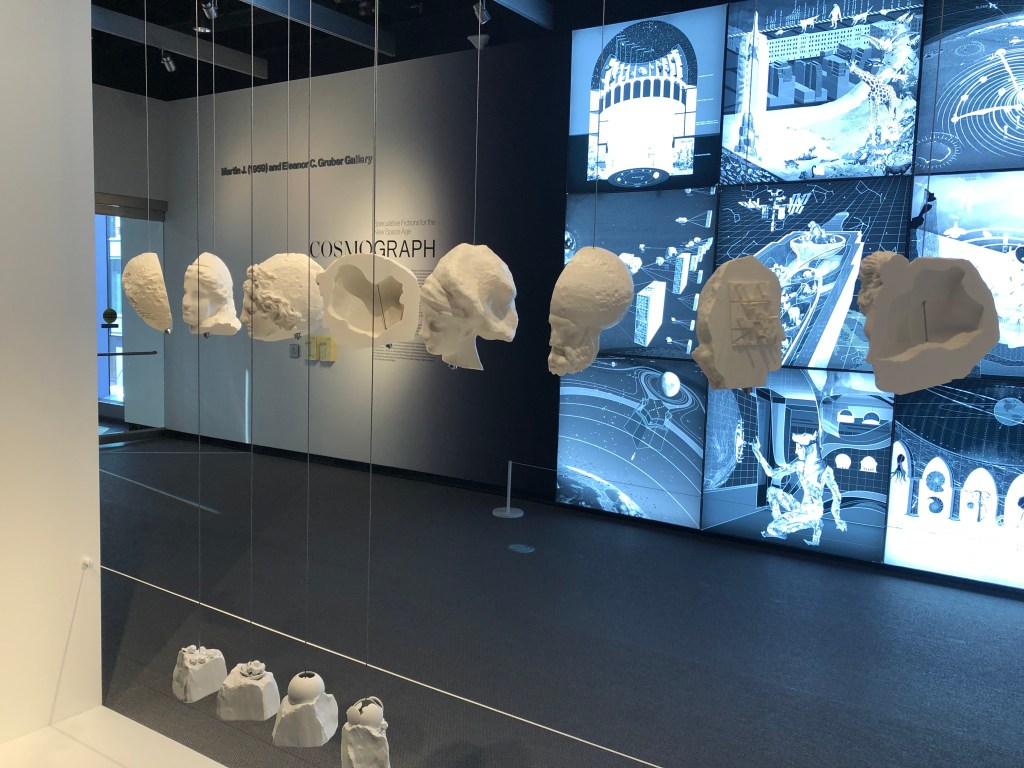
Another interactive art experience is a series of illustrations and sculptures that depict a fanciful merger of designs of future mega projects with thought-provoking and whimsical juxtapositions of fantastical concepts called Cosmograph: Speculative Fictions for the New Space Age. According to the official description:
We are living at the dawn of a New Space Age. What will the future hold? Will space elevators bring humanity’s space junk to turn it into useful material here on Earth? Will asteroid mining be the next frontier in prospecting? Will the promise of geo-engineering turn into a nightmare of unintended consequences?
Explore these possibilities and more in our new exhibition that blurs the lines between fact and fantasy, and art and science.
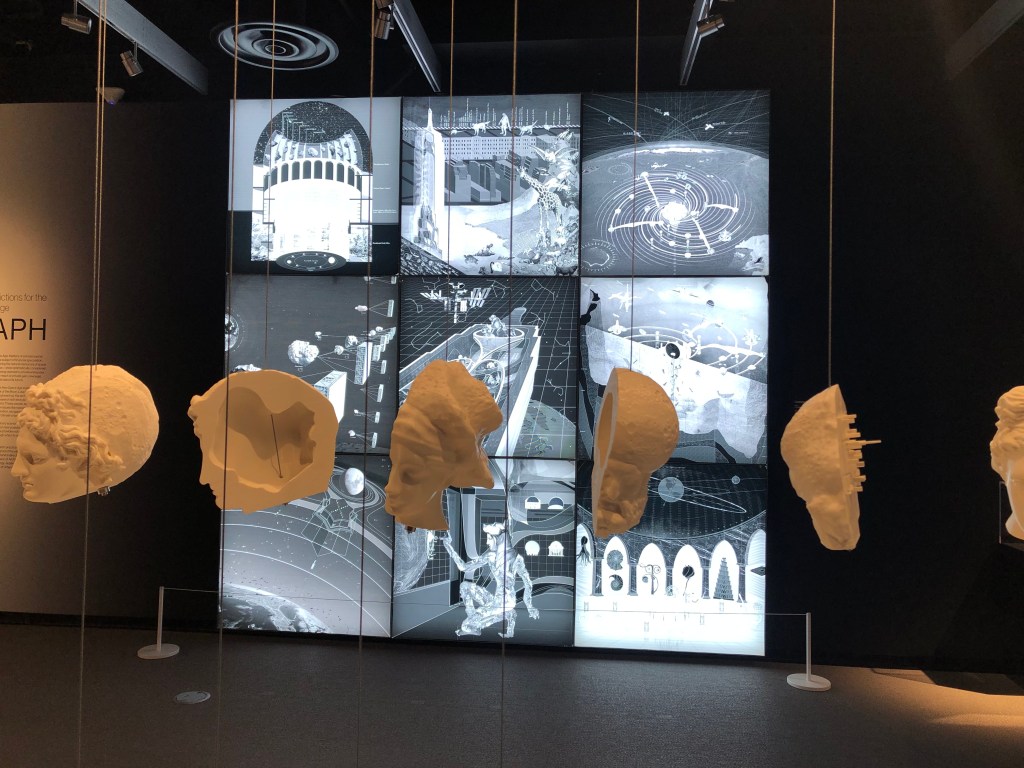
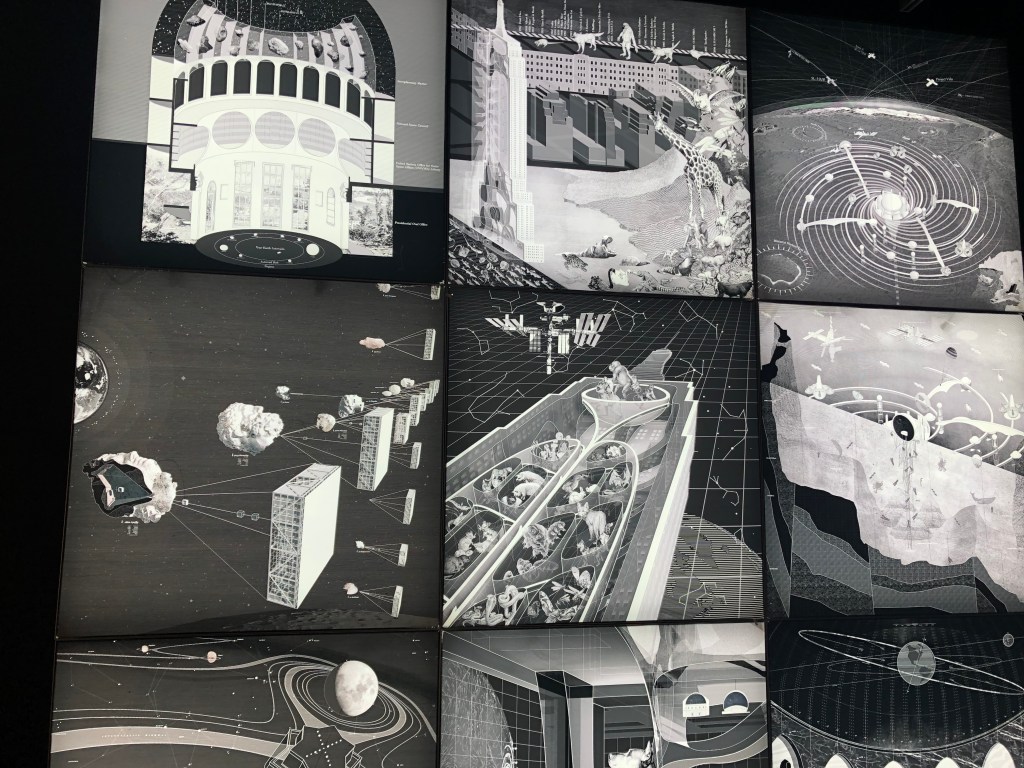
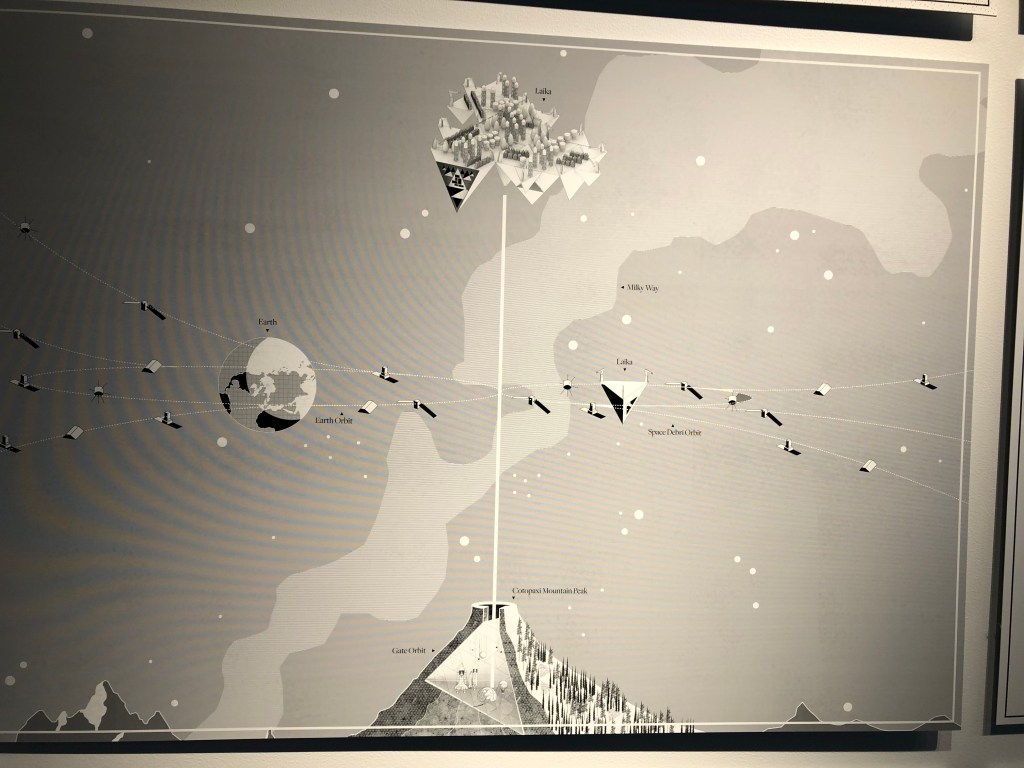
I found it a most edifying and exhilarating . Actually I felt like I had stepped through a cosmic wormhole and entered another sublime reality! 😎
They also had an exhibit where you experienced the sights, sounds, and smells of nature.
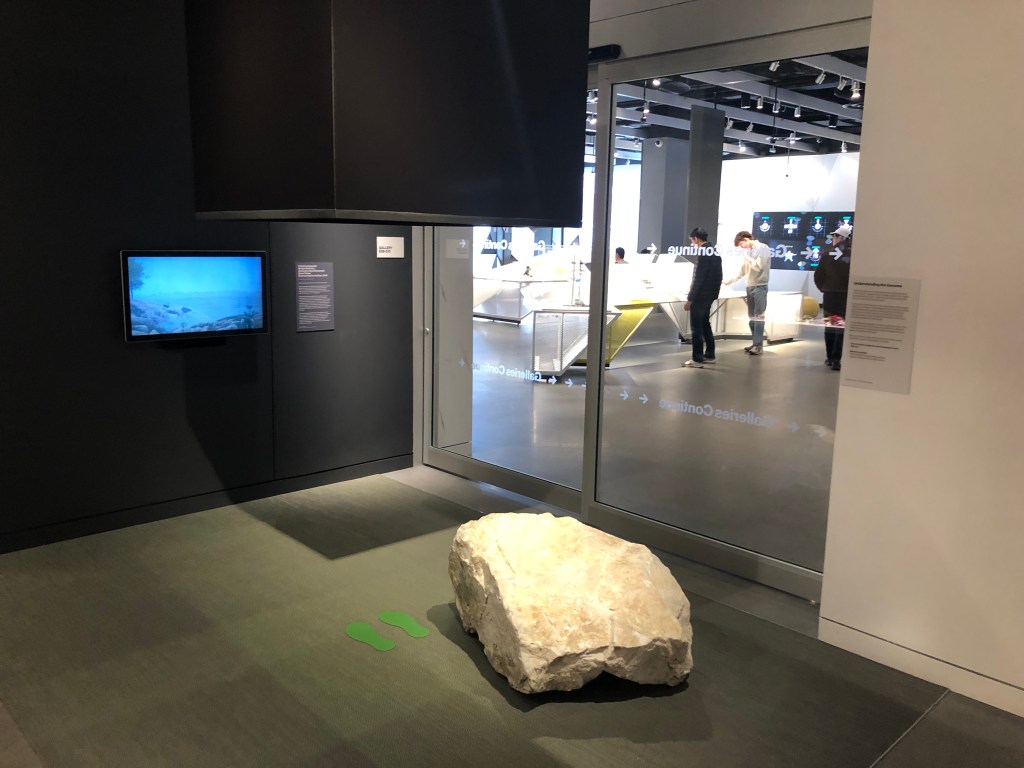
Amazingly not only was this all rather nifty, but a beautiful young woman approached me and shared her thoughts about the whole immersive experience and even apologized about the interaction but said that she had no one to talk to since like me was visiting the museum alone. No need to apologize, love! You just made a happy man feel very old! 😊
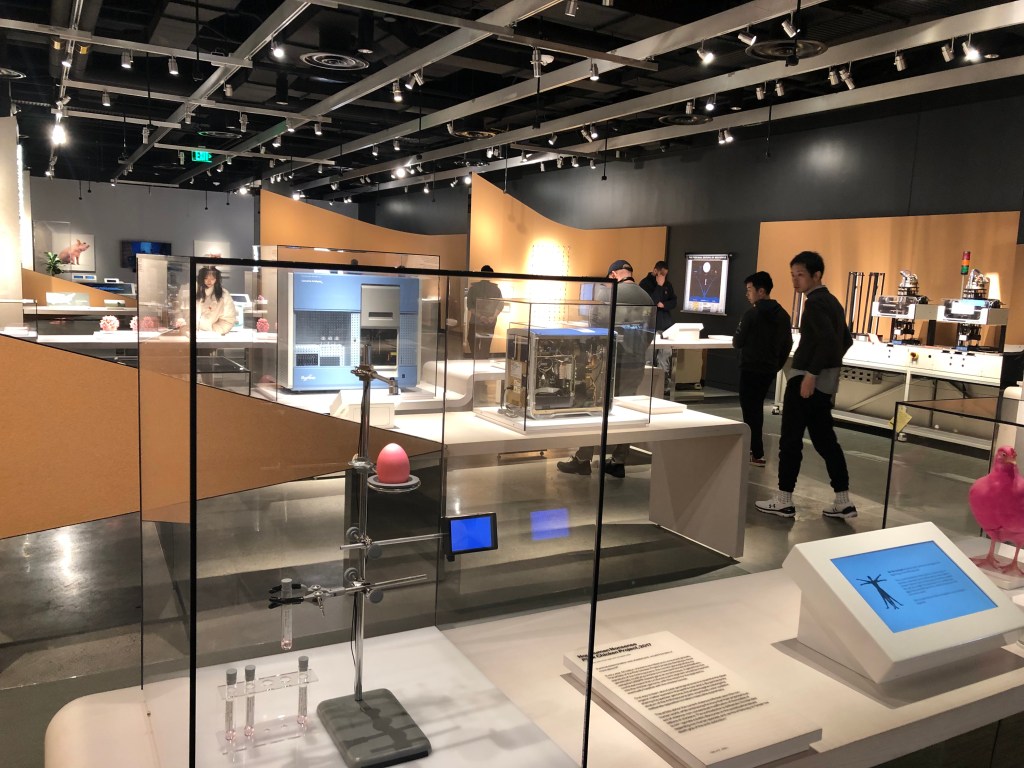
I then explored the Gene Cultures exhibit, which showcases genetic technologies.
Bridging the gap between art and science was the wonderfully bizarre Pink Chicken Project, an attempt to wake people up to the crisis of species extinction and the overall assault upon the Earth’s biosphere by the ruling political and corporate elite.
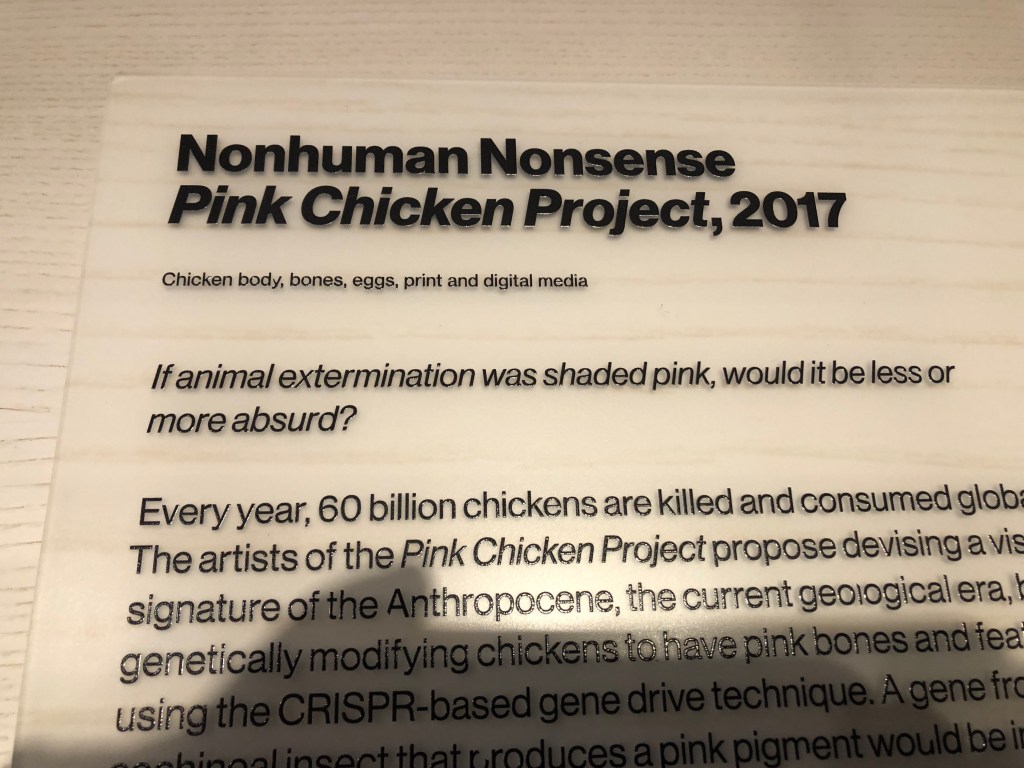
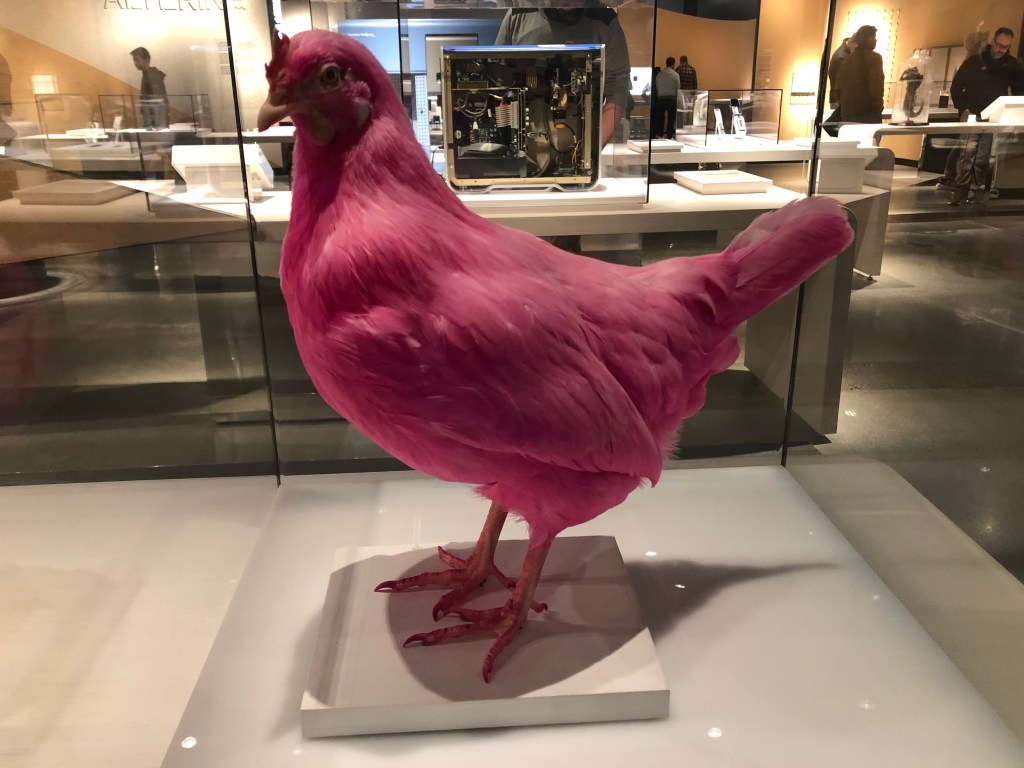
The founders imagine using CRISPR gene editing technology to literally create pink chickens that would become a part of the rock strata of the so-called human induced “Anthropocene” geologic era, since chickens are the world’s most common bird. Also they propose encoding a type of manifesto and info packet into the very DNA of these proposed creatures.
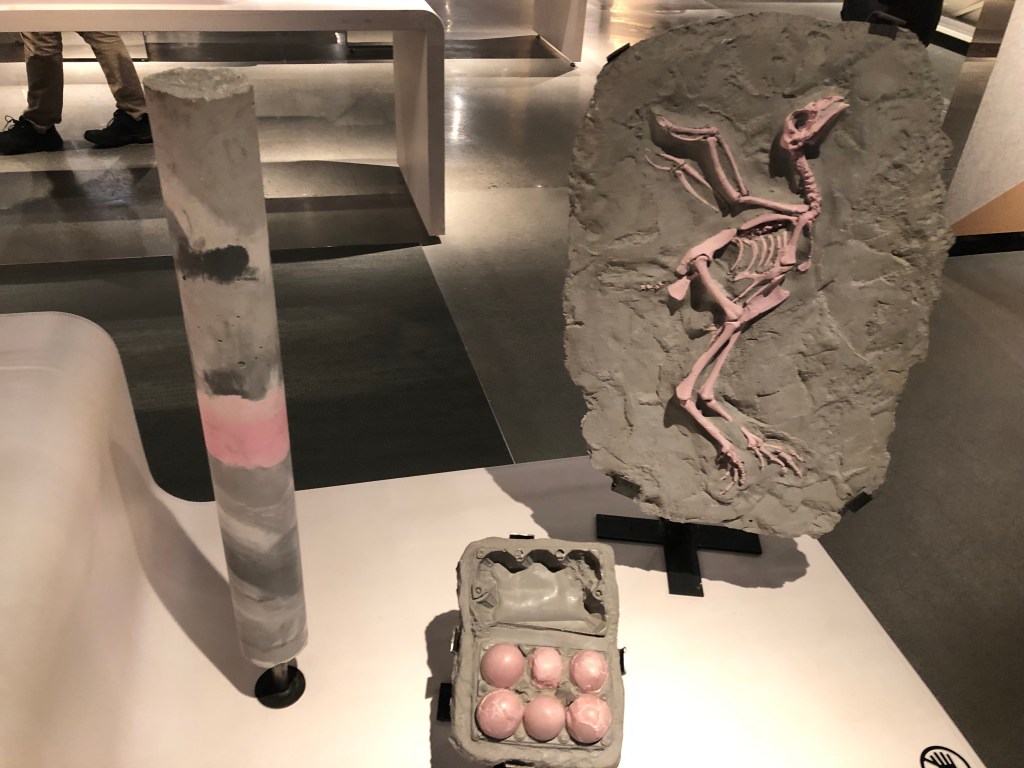
It’s some good wholesome subversive fun! 😵💫
Then you travel a little back in time to the genesis of the human genome project. When the human genome was first being sequenced by the bio labs across the world, including the Whitehead Institute at MIT, they used equipment such as the PlateTrak sequencer machines.
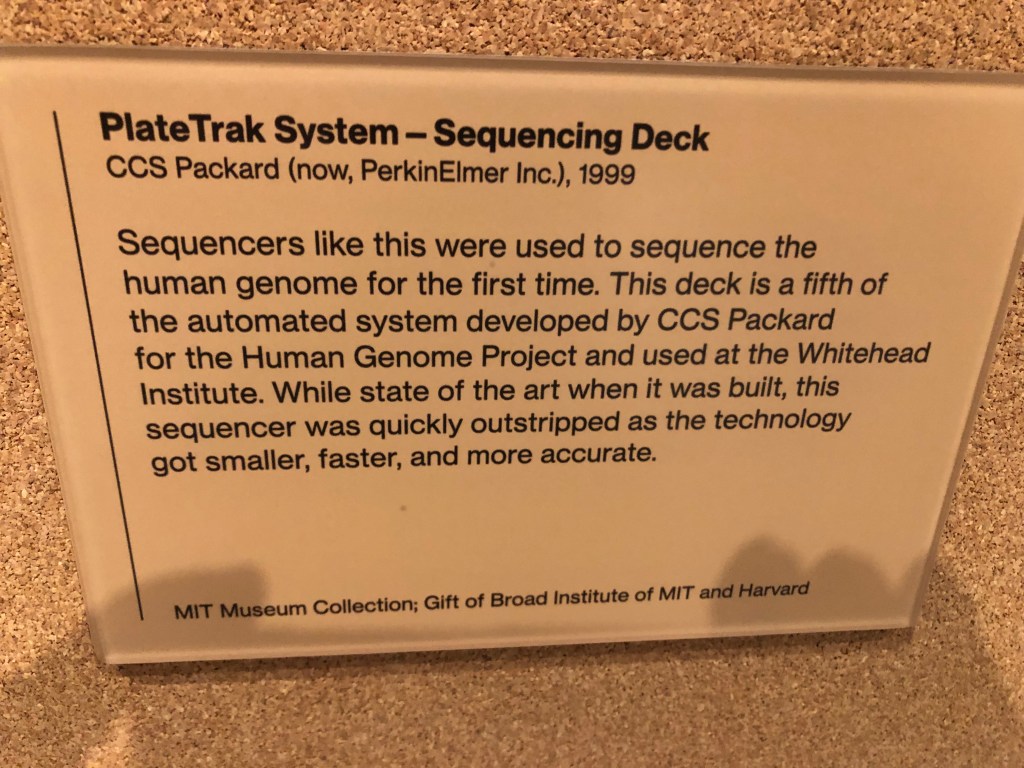
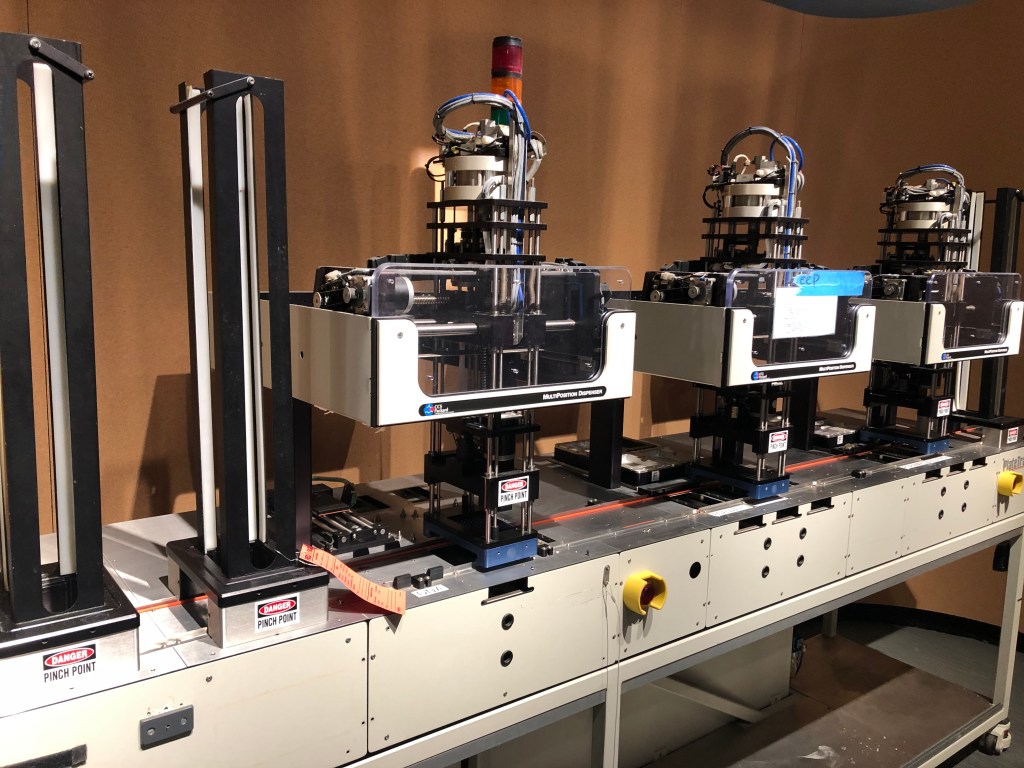
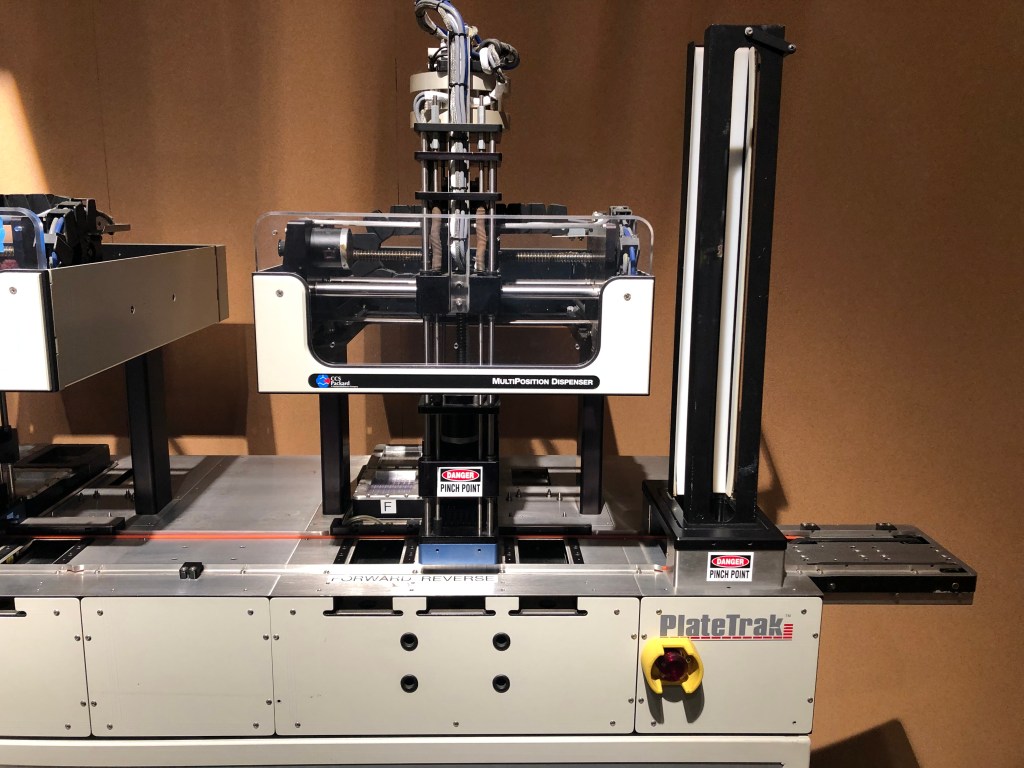
As I saw in this part of the exhibit this has evolved into a new generation of wonder machines like the illumina Genome Analyzer, a cross between a PC workstation and a mini bio lab that actually allows you to make clones of your dead dog and deceased wife in the comfort of your own living room! 🤓
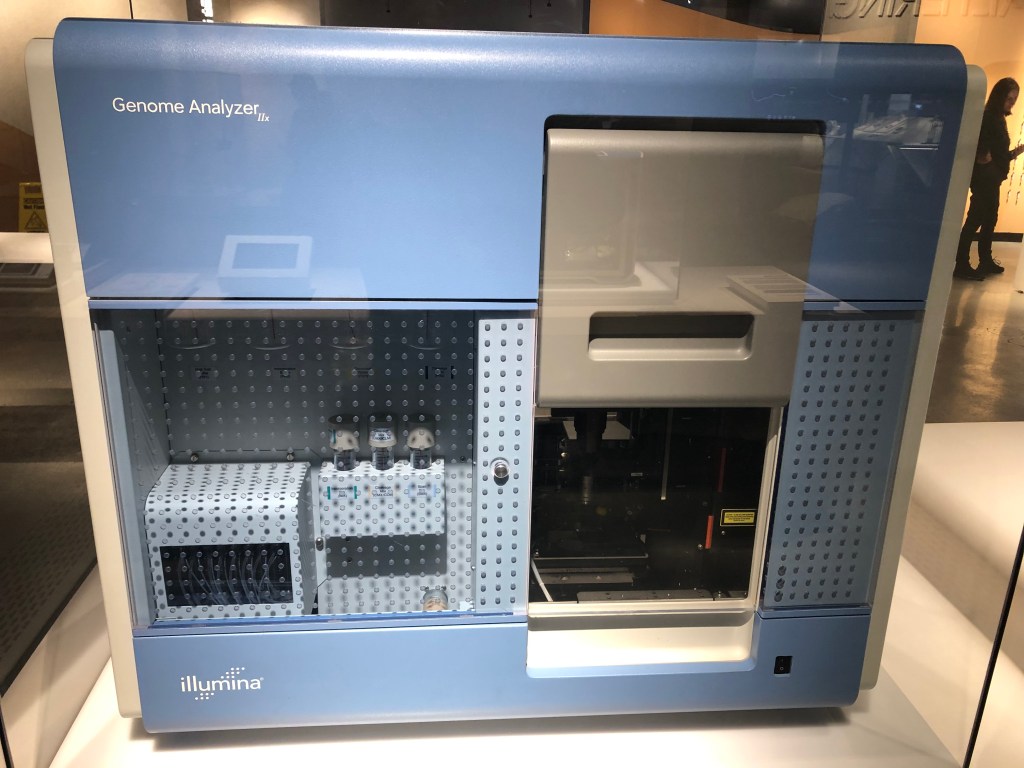
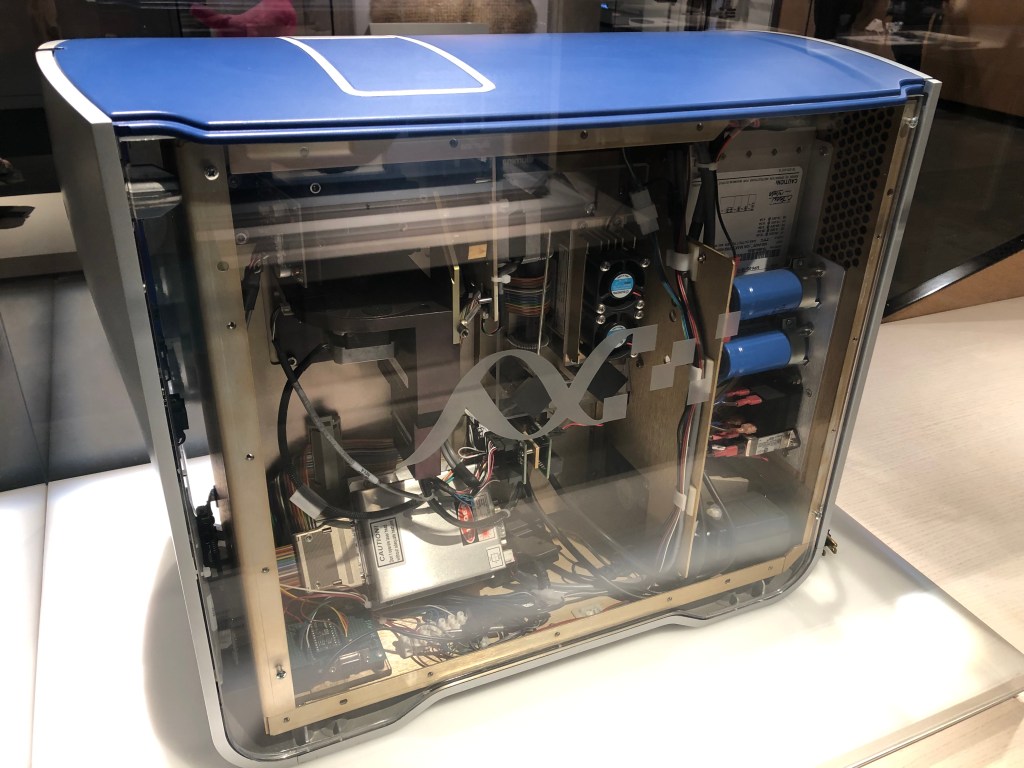
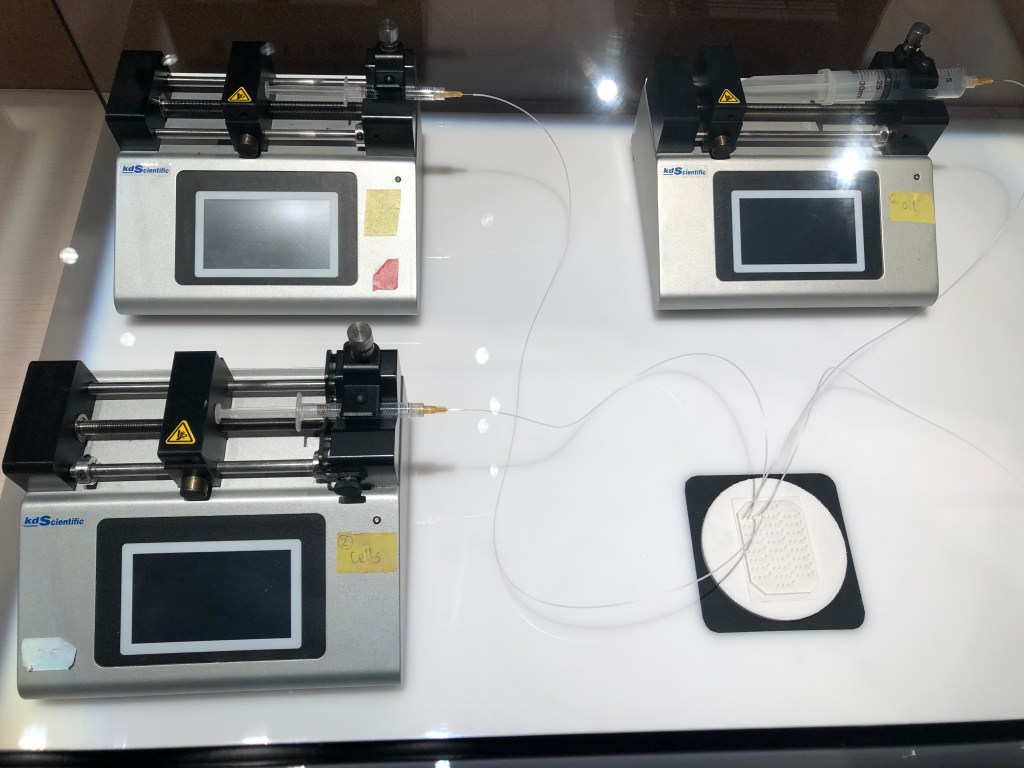
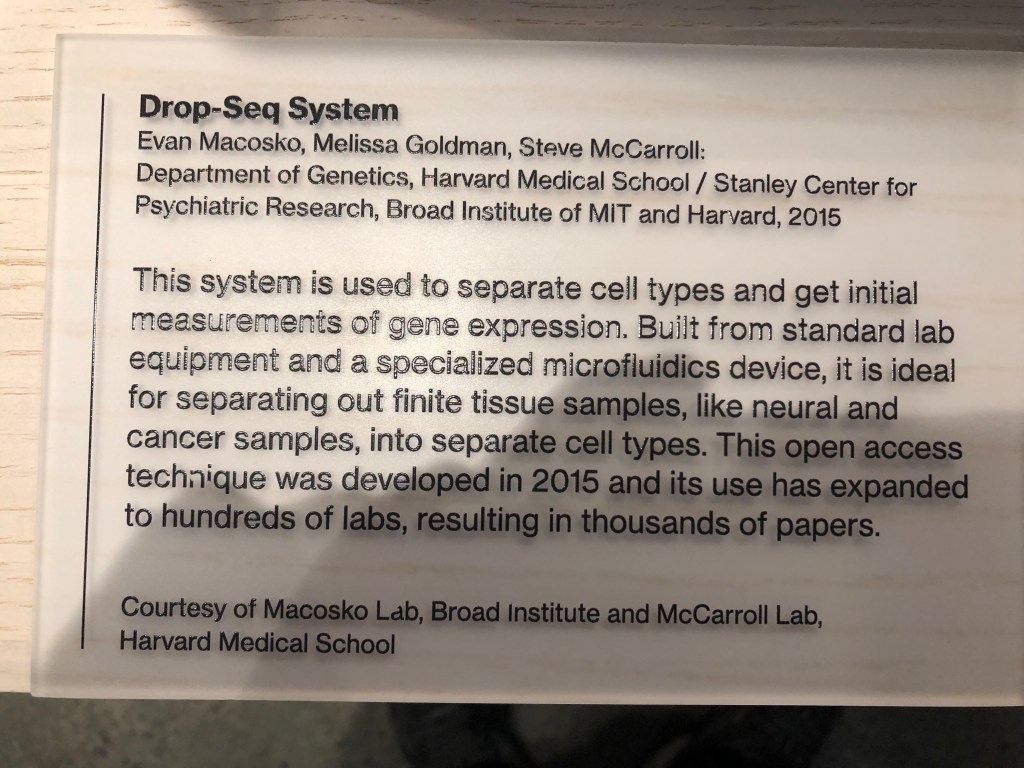
It’s all about the genes folks! It is just a continuation of history really, in the ‘80s you had designer jeans and now we’ve got designer genes! Waste not, want not, I say! 🙂


Look, before you know it, Blade Runner style vending machines like this one will be popping up all over, dispensing quotes from The Quran encoded into specially designed strands of RNA. And very soon, Replicants will be roaming our streets!
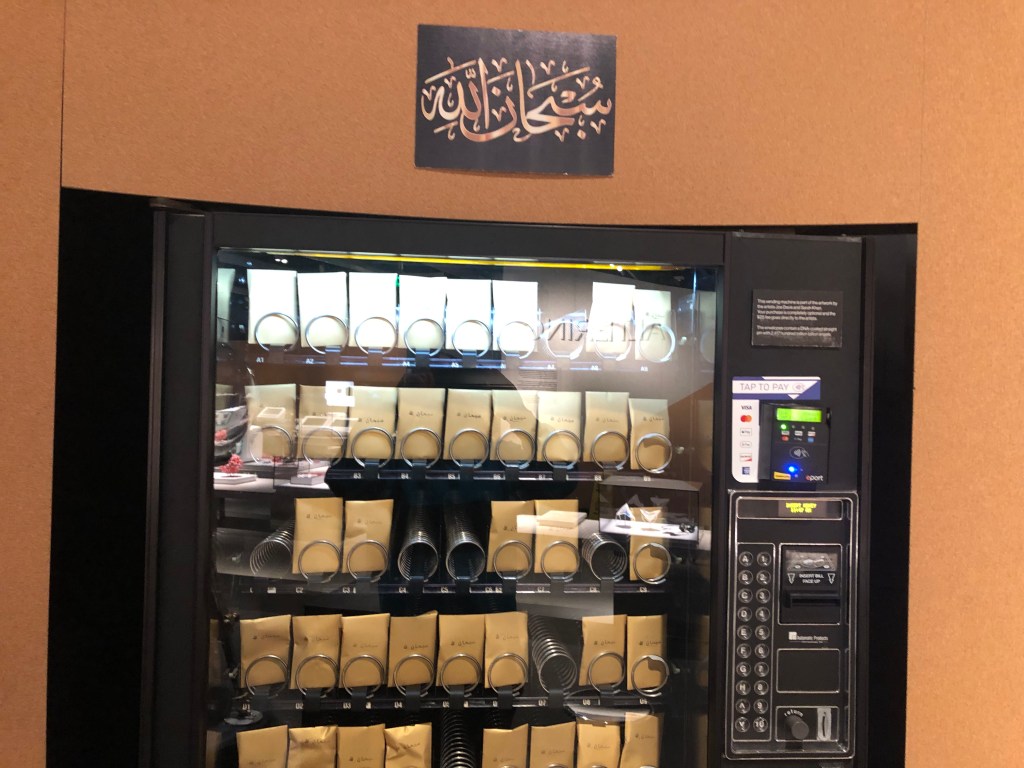
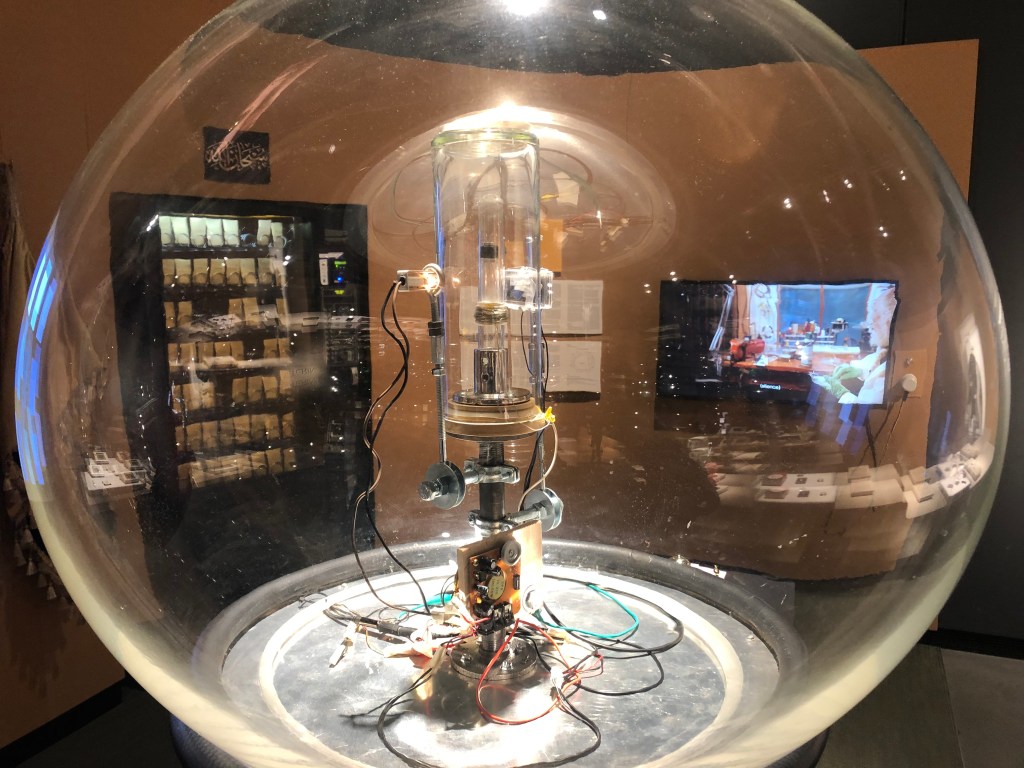
It’s enough to make your average mad scientist giddy with delight, with the same infectious good humor that Joseph Stalin felt after sending thousands to the Gulag prison camps to die being worked to death! 🤪
This enthusiasm was also present in Rich Pell’s The Mermaid De-Extinction Project, in which he explores the various ramifications of genetic engineering and what it could bring to the world.
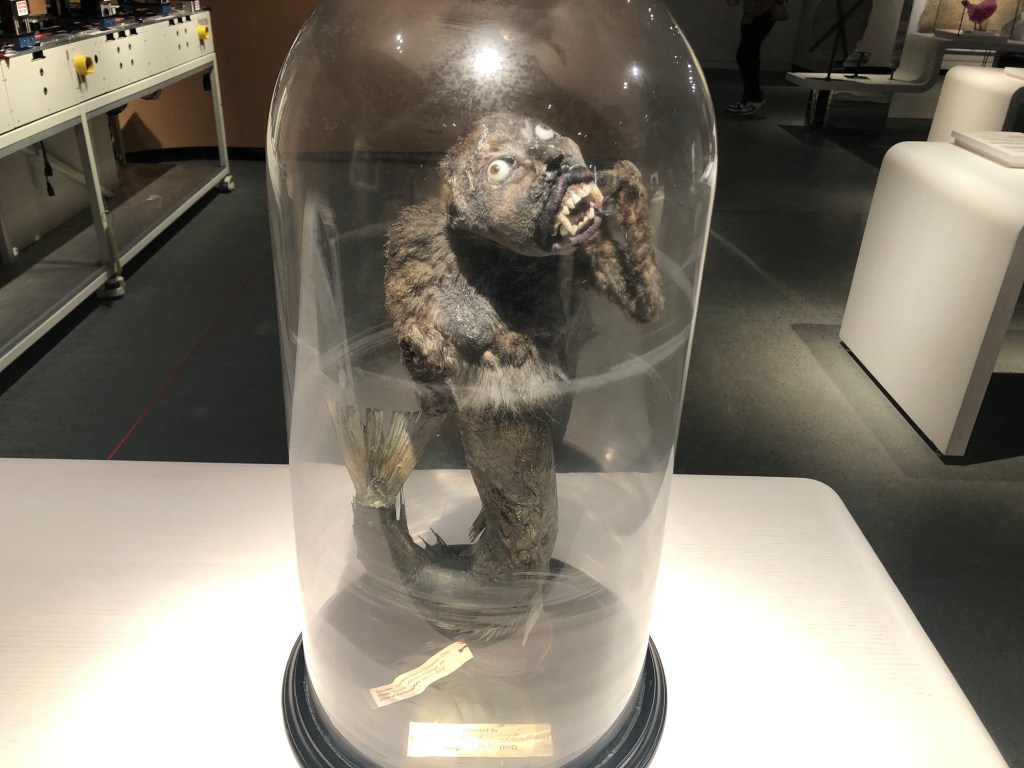
It is a potentially scary and also potentially exciting future we are plunging into, when you will be able to do gene splicing on a clever gadget the size of a flip phone.
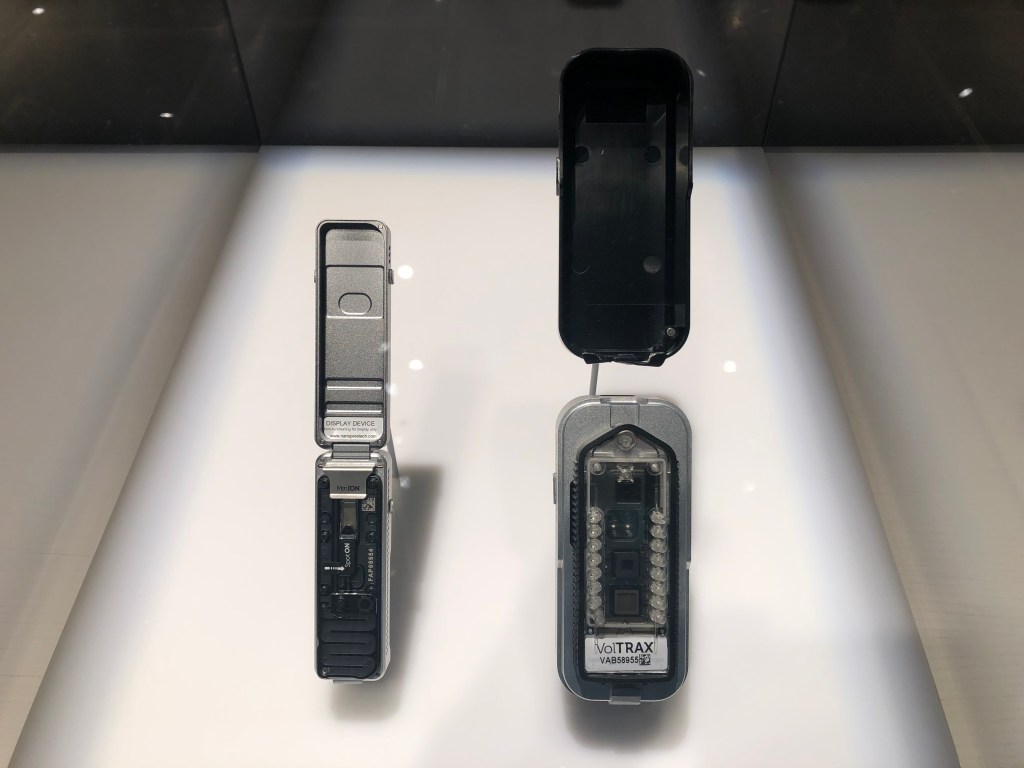
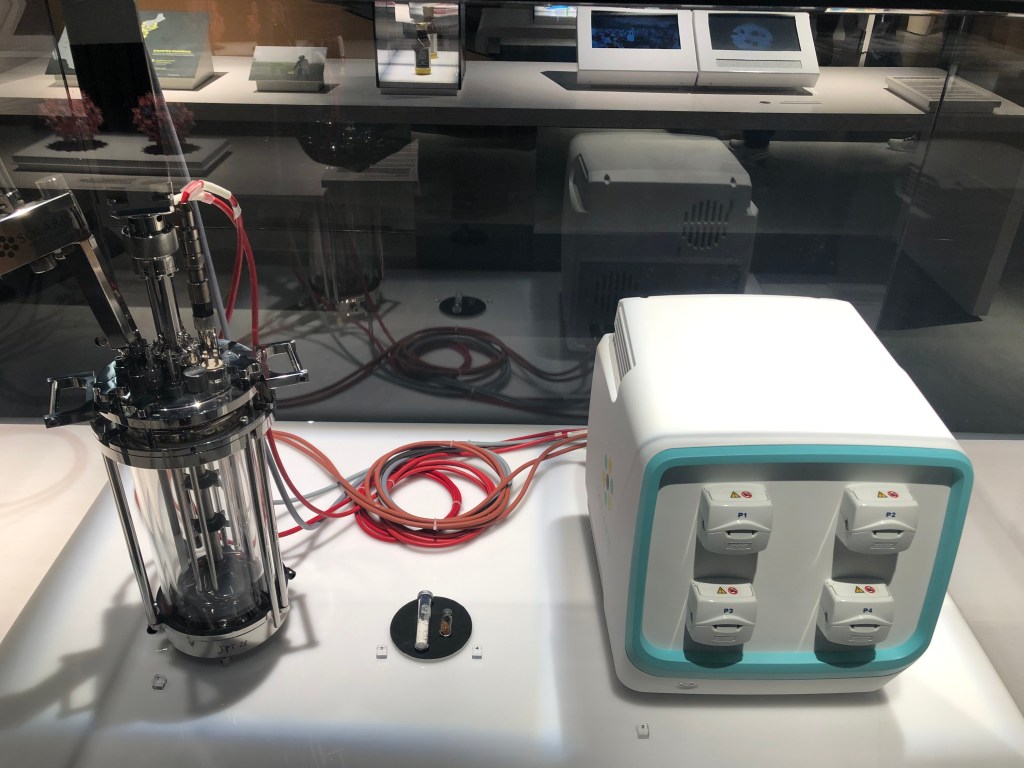
Never mind test tube babies, this is a future that is plug-and-play! Or maybe plug-and-pray! 😜

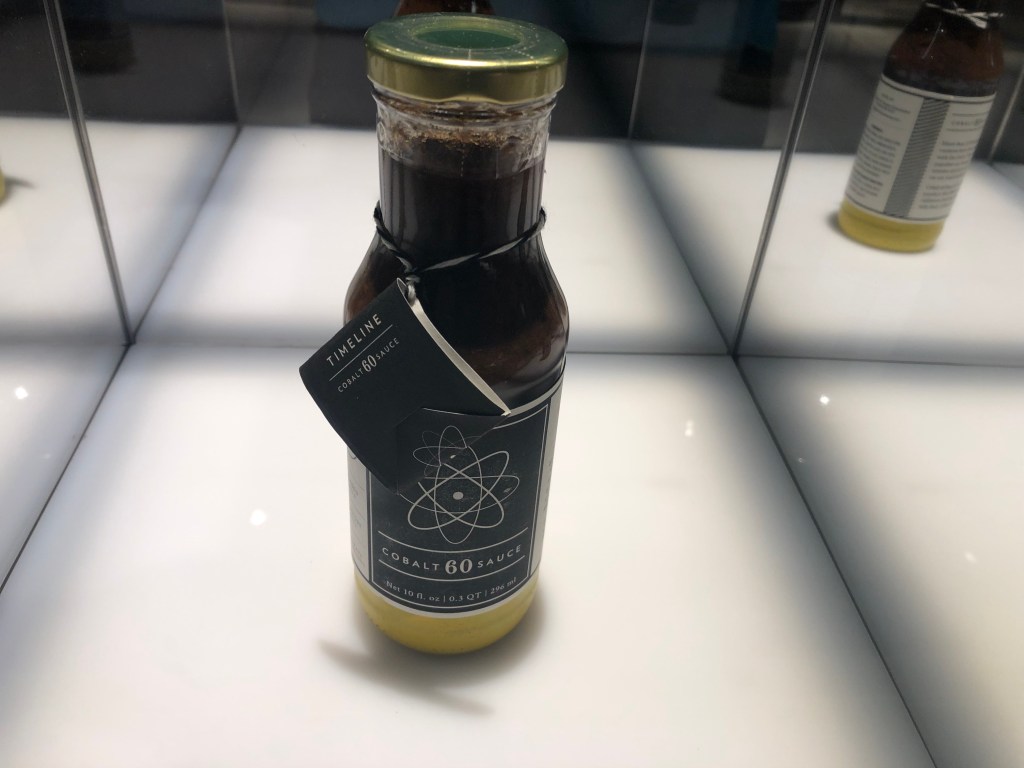
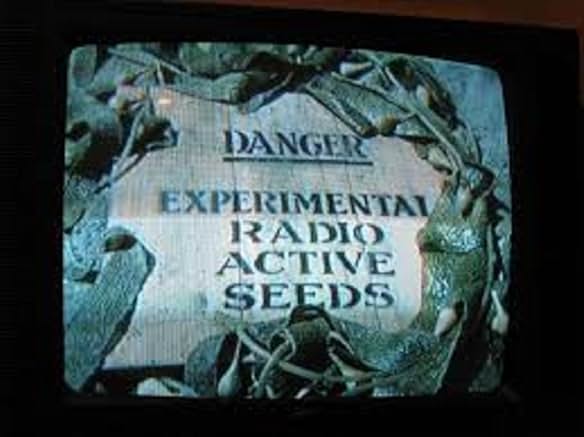
And it sure beats the 1960s crude notion of irradiating seeds in order to produce mutant strains! 😀


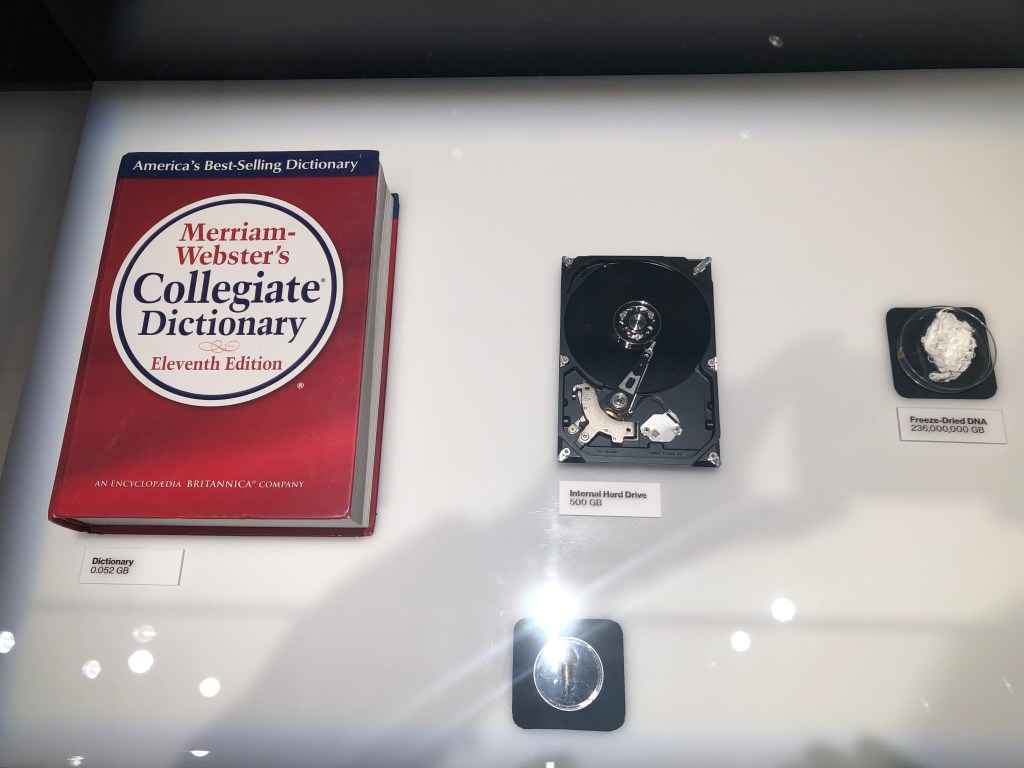
And in this “Brave New World”, the ever improving methods of storing large amounts of data will incorporate biotechnology.
And viruses can be fought at their own molecular level, eventually eradicating many diseases.
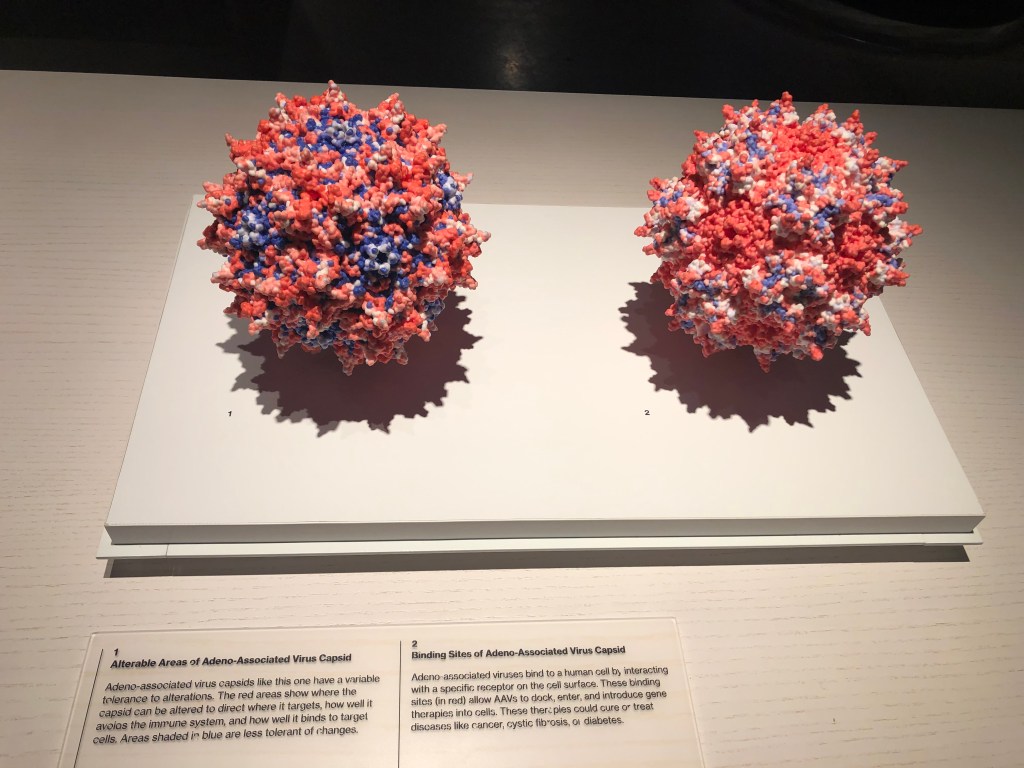
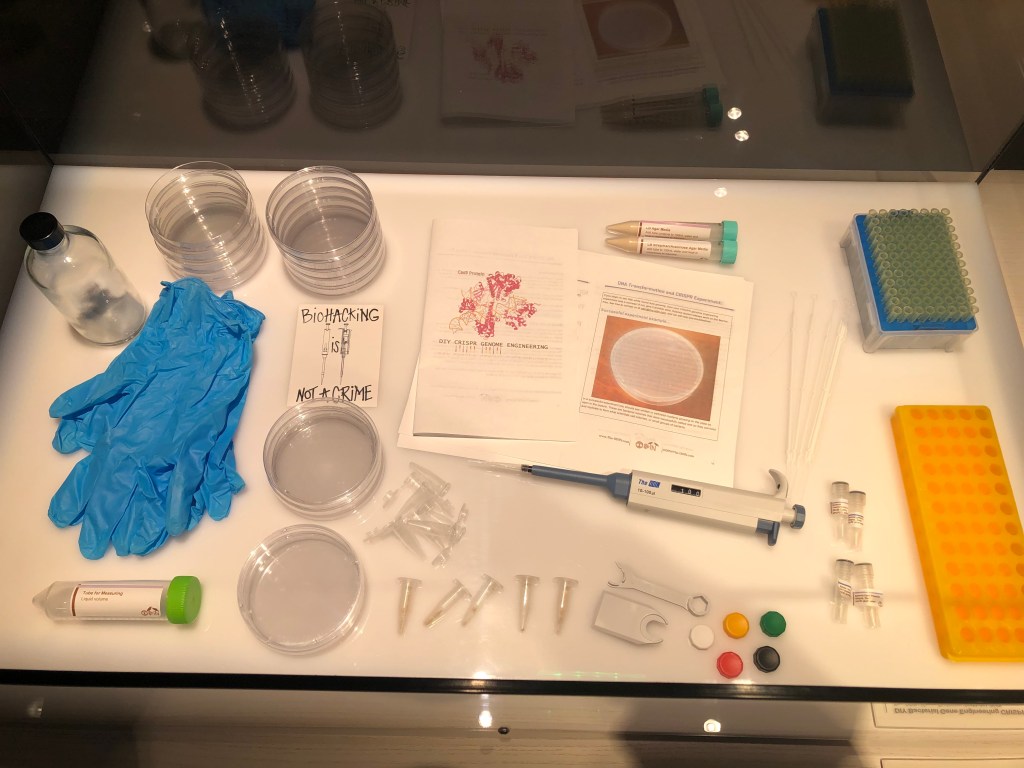
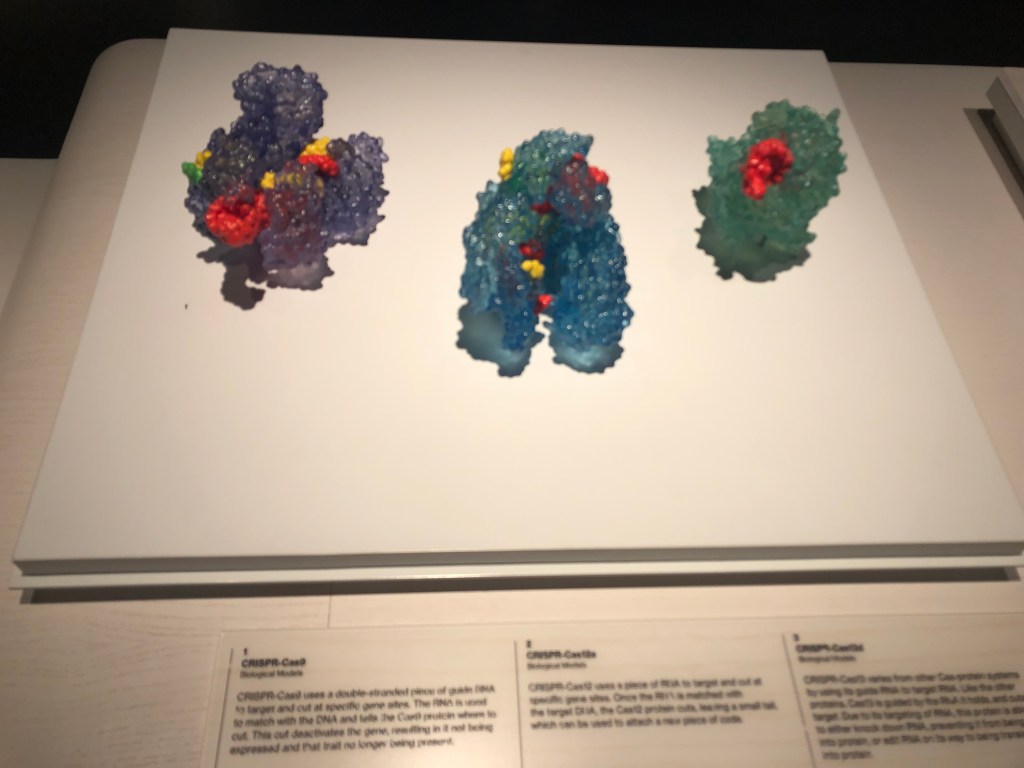
From this journey through a genetic wonderland, I then went up a flight of stairs to the museum’s Maker Lab space, where the charming young lady in charge of this interactive area lured me in to participate by asking “do you want to make an electronic card?” And homey here was like “hell yeah!” Well I thought that but actually said “sure, that’s sounds great.”
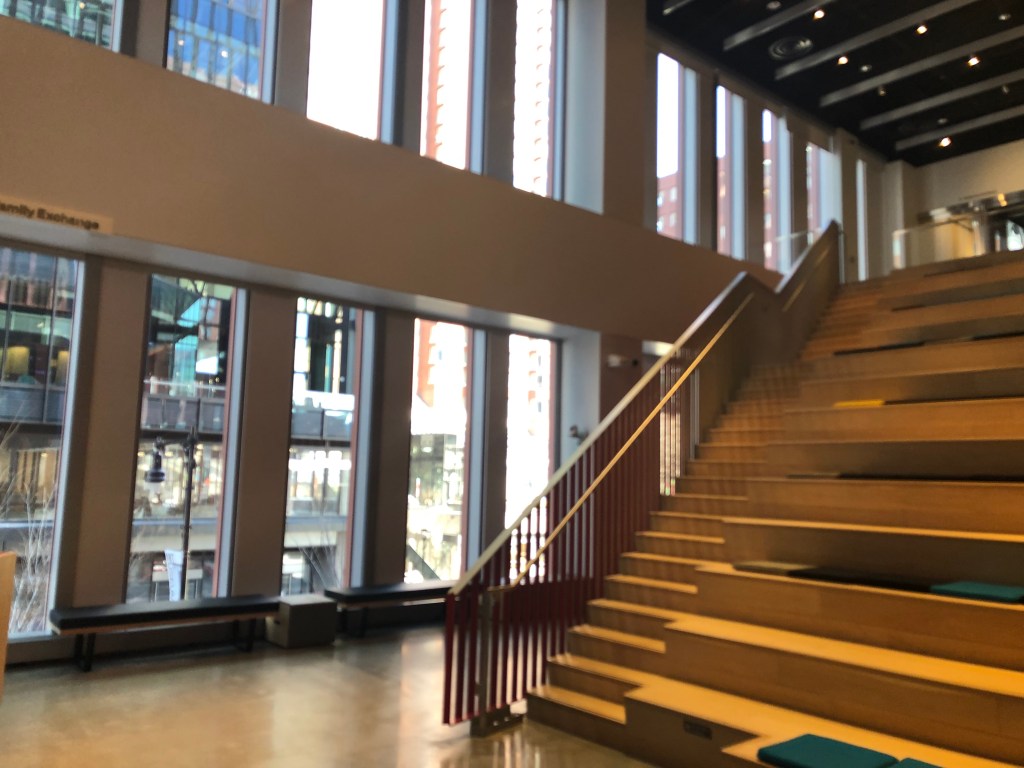
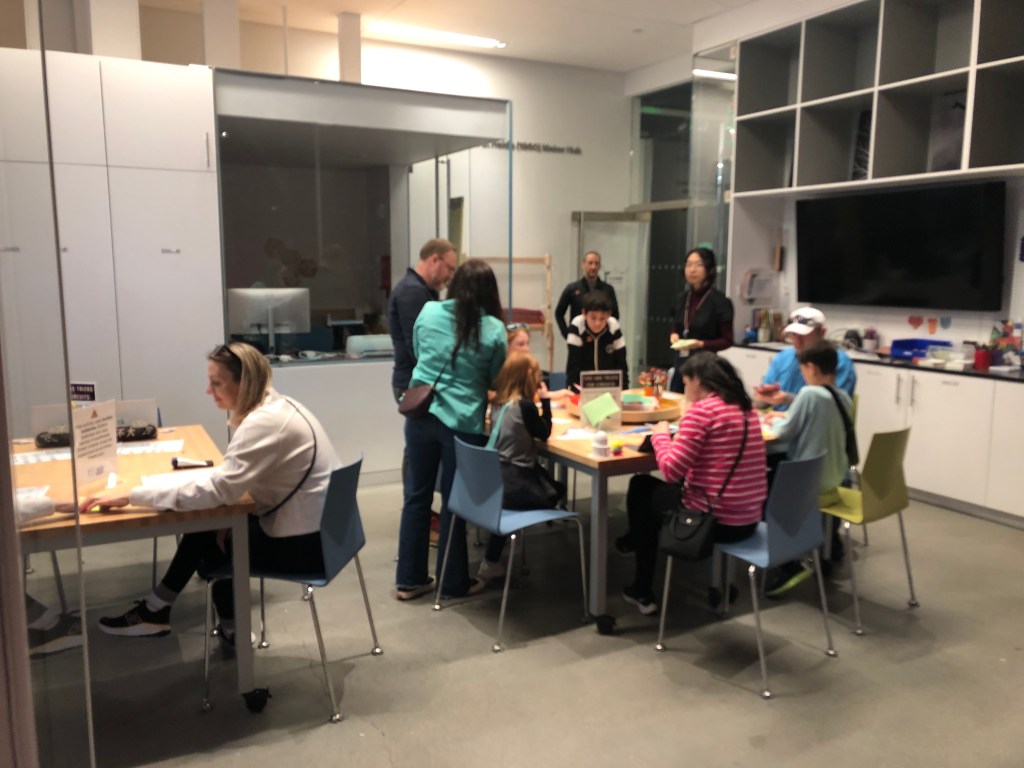
They had us make interactive cards using copper tape, batteries, and LEDs; it was like I was learning electronics for the first time! 😀
As I had bought a mug for my mother in my last visit to the Gardner Museum, I decided to continue the trend and made a Mother’s Day card for her.
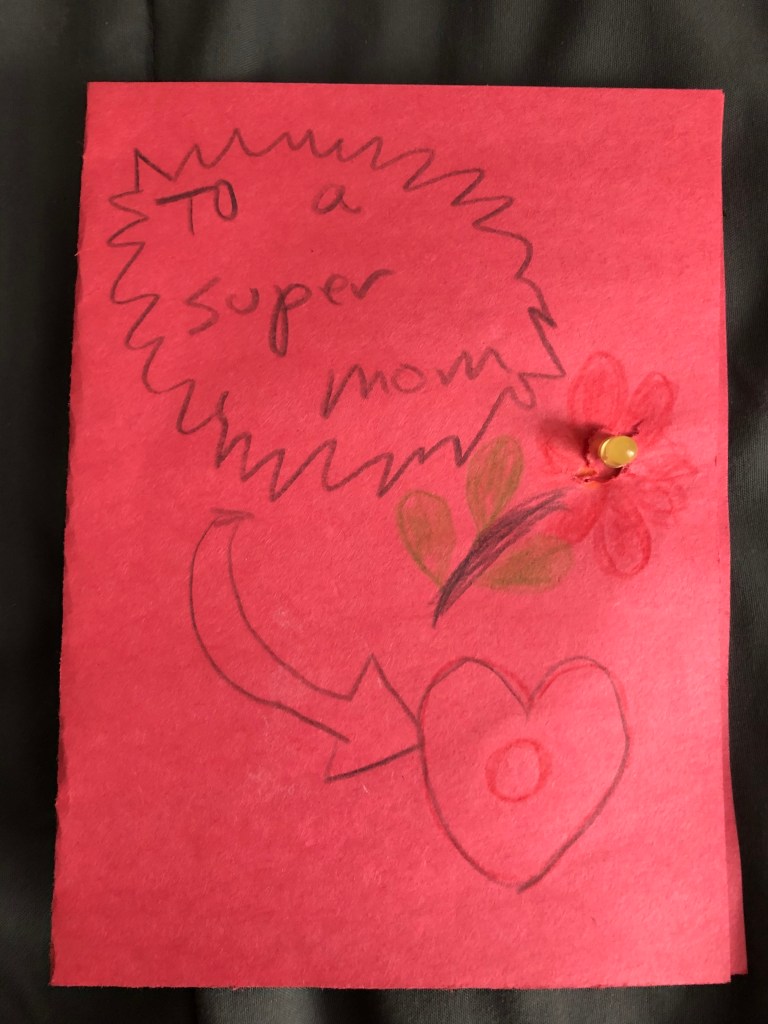
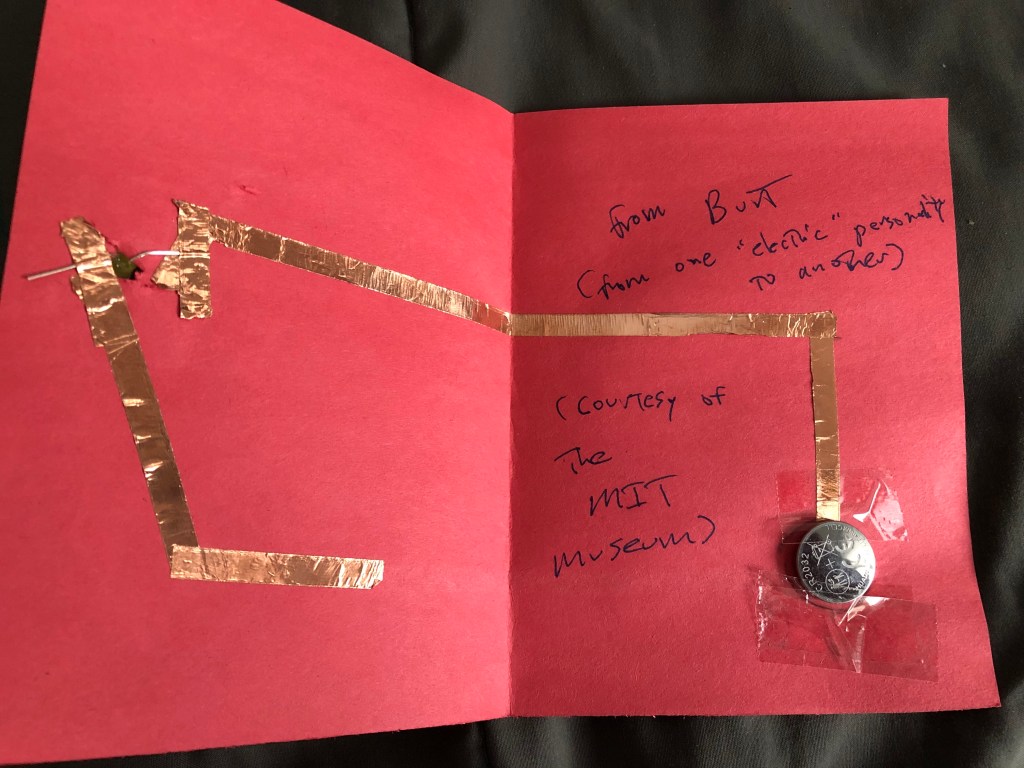
So when you close the card it closes the circuit and the LED lights up. As I said to the girl, it looks like something a six year would make, which in my case would have been many decades in the past and I realized I haven’t really progressed much since then! 😁 She also asked us where we were coming from and a gentleman explained that he was visiting from Copenhagen, Denmark and I said that I was coming from Gardner, Massachusetts. She graciously said that Gardner was probably a cool a place as Copenhagen and I had to admit “no, definitely not.” 😊
After this productive interlude I took a lunch break at the Chipotle restaurant in Kendall Square and had a tasty burrito which reminded me of the great taco place that is located near the former location of the MIT Museum. I also took a break and checked out the MIT Sailing Pavillion and saw brave students sailing out on the Charles River which was pretty amazing since it was still in March and that water is pretty dang cold! But I then returned to the museum for more education’! 🤓 On the third floor they have the new AI: Mind The Gap exhibit.
Of course I am not a stranger to AI here on the Howling At The Moon blog since I have been having a field day with the Automattic image generator. So I had some experience with this emerging and now almost ubiquitous technology.
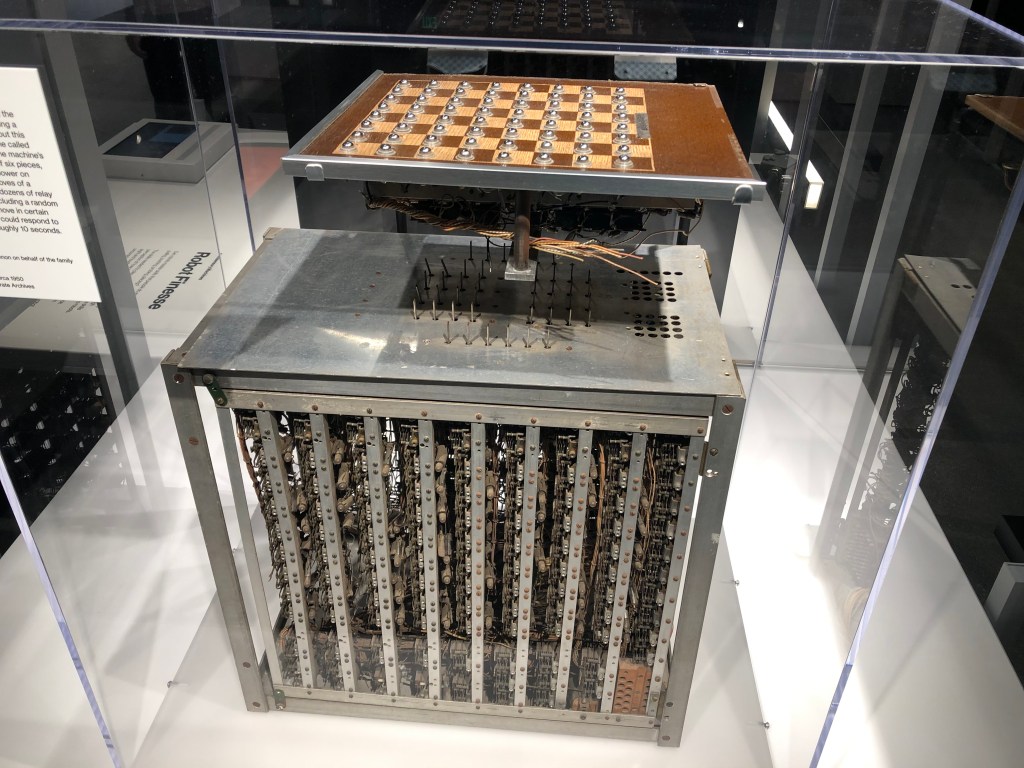
At the start of this exhibit, is the chess machine that Claude Shannon, to so called “father of the information age and AI” invented in 1950.
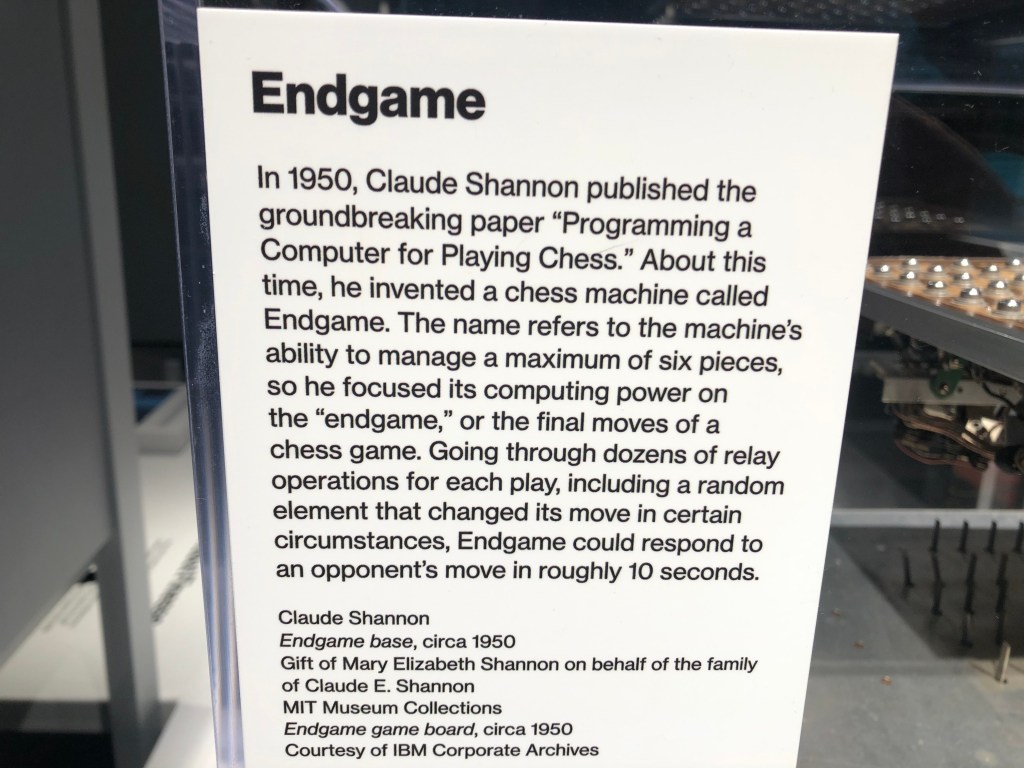
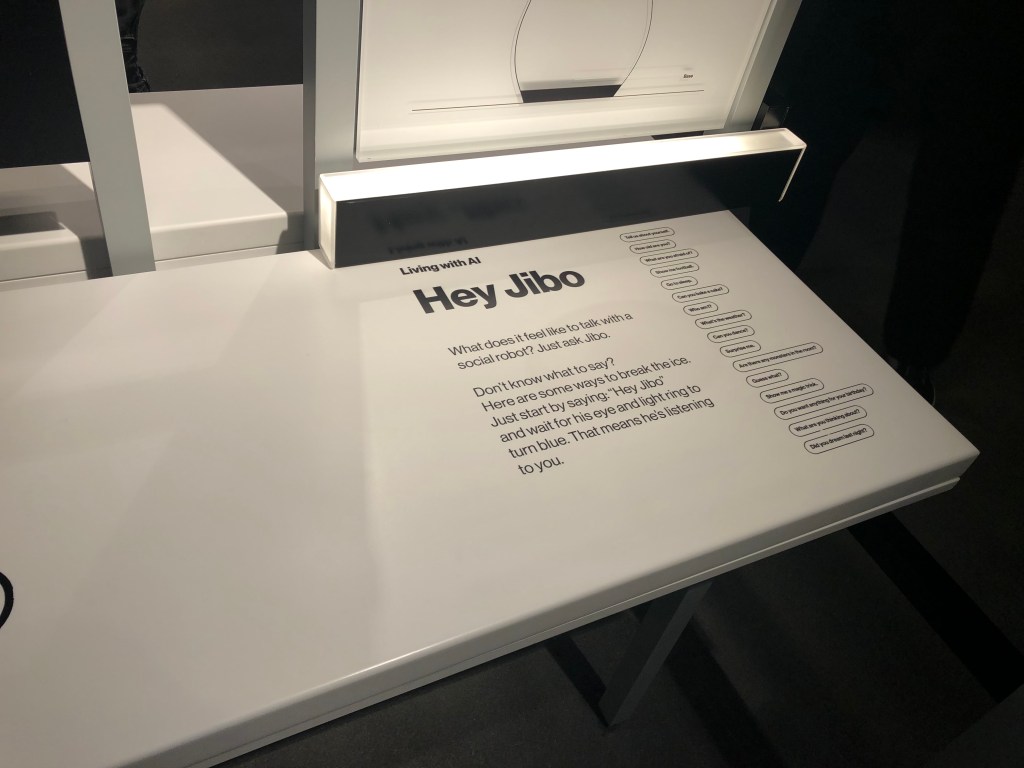
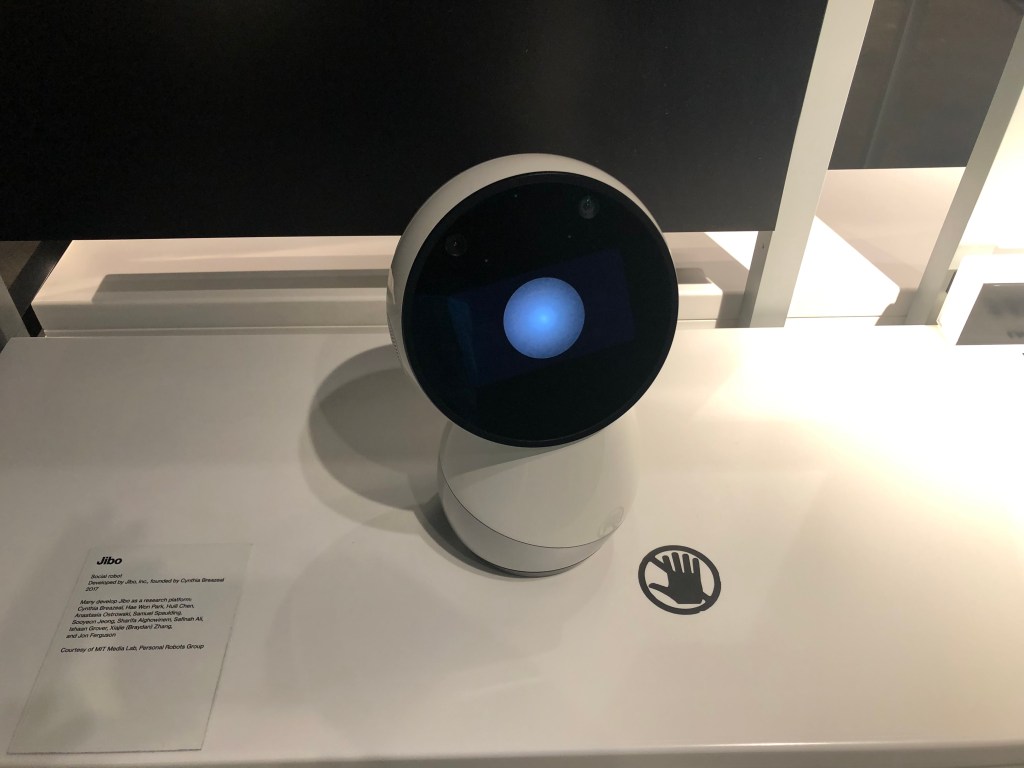
Then I had to chance to interact with the AI robot “Jibo” which you could ask questions and it gives you answers. Actually I didn’t speak to it because because at this point I was starting to reach information overload and also interactive AI (like ChatGPT, etc.) has become so ubiquitous that you can also do this sort of thing in the comfort of your own home.
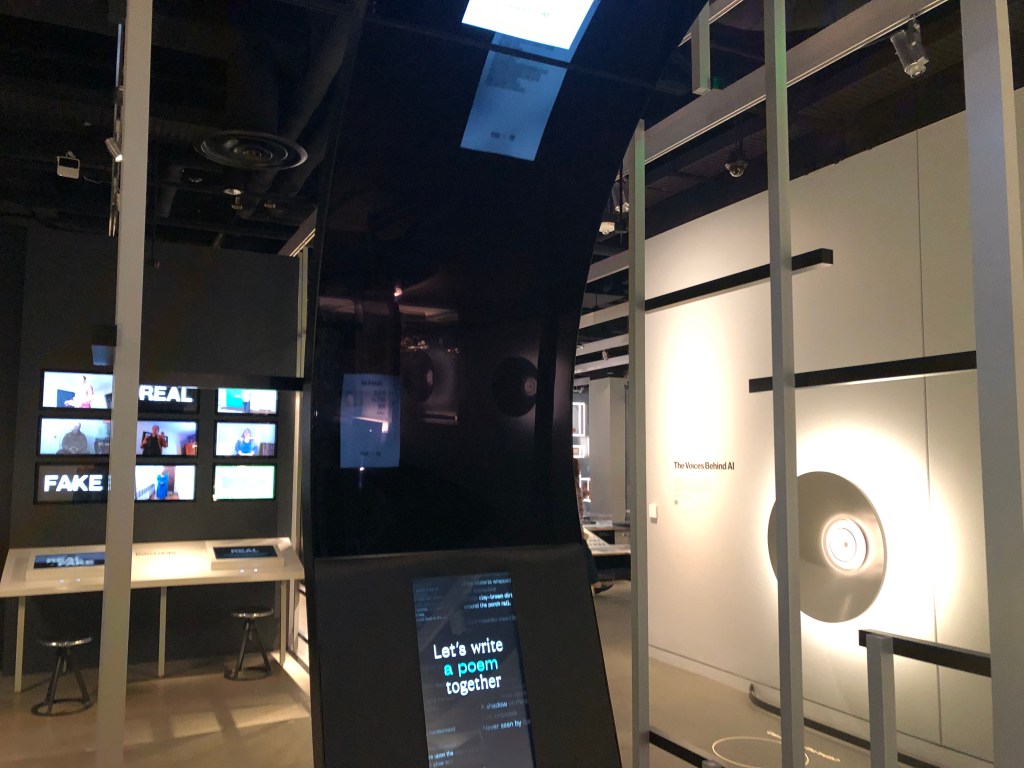
With a similar theme they had a “poem machine” that wanted you to write a poem with it, but again, you can now a lot of these things on the web, so I didn’t try that either.
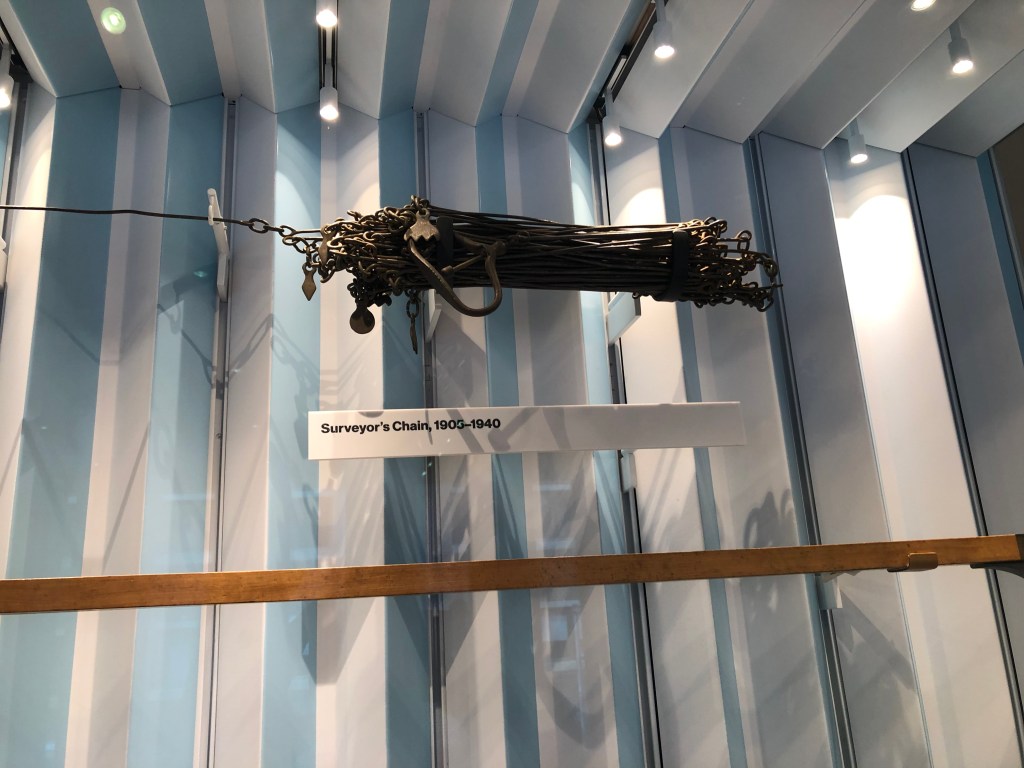
In the Made to Measure exhibit they had various measurement instruments from the ages on display. Before the advent of theodlites and LIDAR, surveyors used actual chains to measure plots of land, customarily at 66 foot lengths. This method is explained in Thomas Pynchon’s Mason & Dixon novel, but beware, the book is written in a totally 18th style!
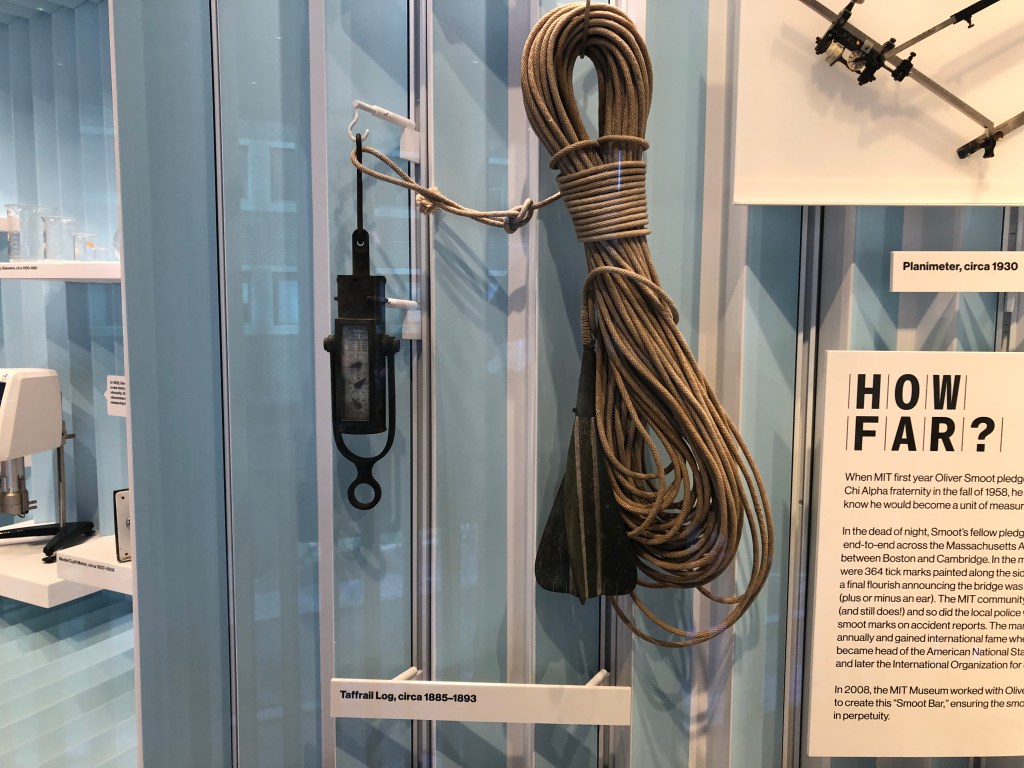
Likewise, people used a “Taffrail Log” to measure the distance the distance a ship has travelled through the sea. This info then was entered into the “Ship’s Log” by the captain. Gene Roddenberry then incorporated this piece of nautical history in the famous “Captain’s Log” in Star Trek.
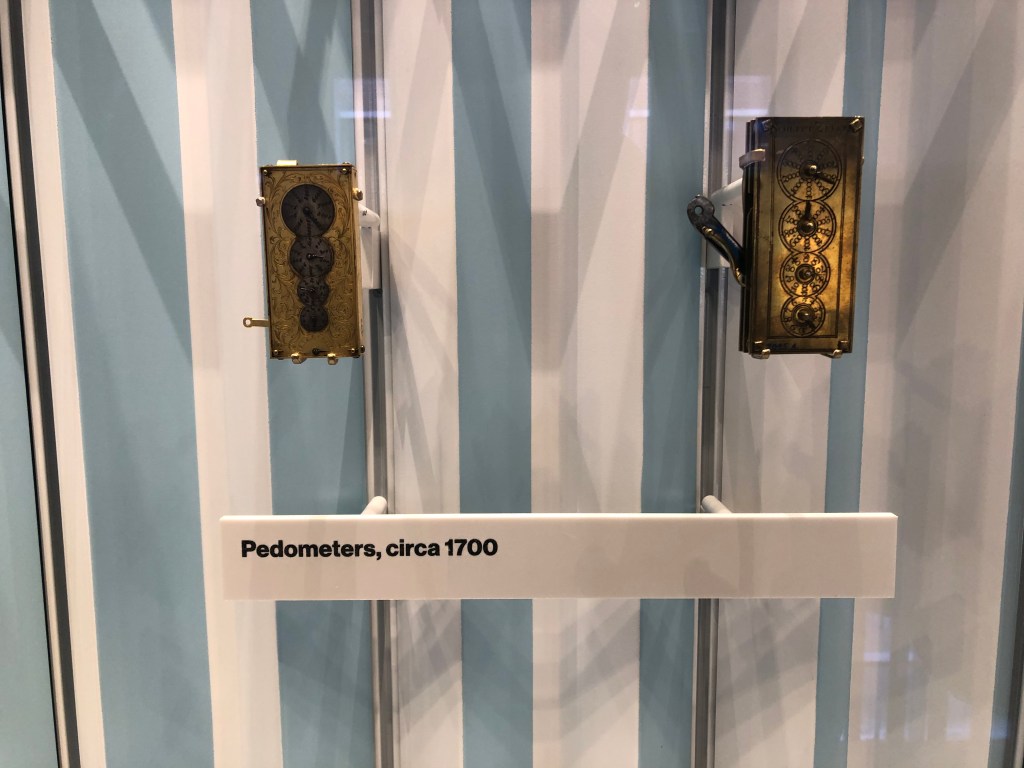
And think fancy pedometers are a recent invention? Thinks again folks! They were invented at the turn of the 18th century; a sort of brass fitbit popular with the health conscious yuppies of the time.😀
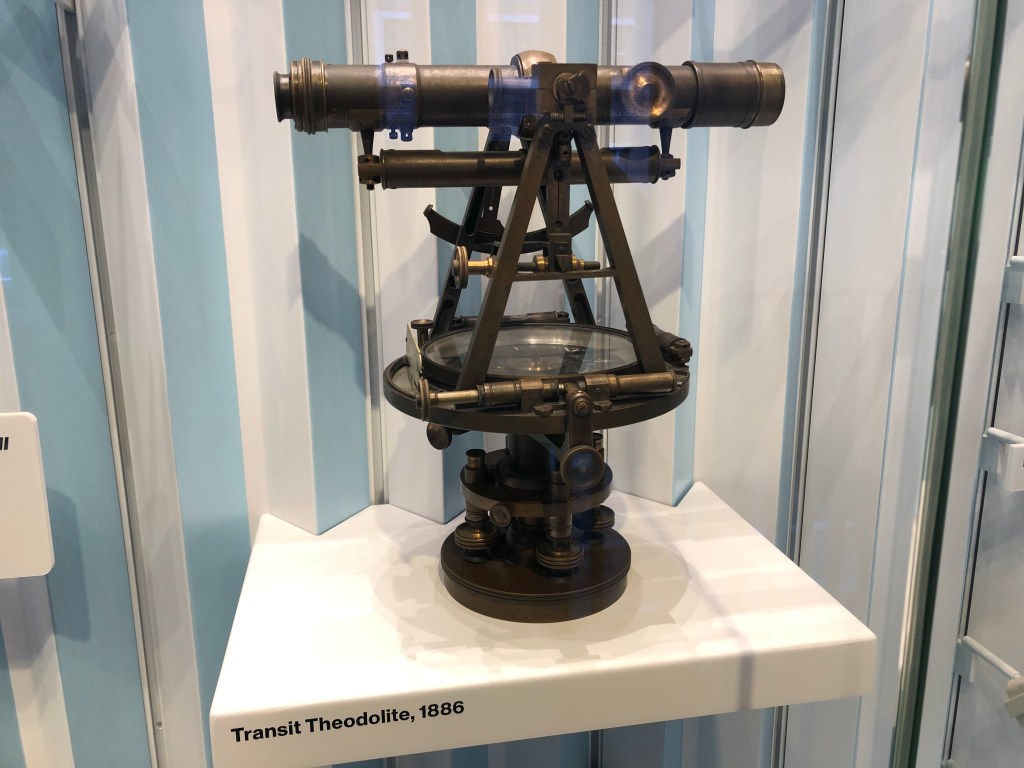
With the invention of the Transit Theodolite, more accurate surveying was possible. The instrument uses a telescope mounted on gimbals that allows the user to make sightings on points on the landscape and take angle measurements which then were used to create maps via triangulation.
All in all, it was a good day and I learned a lot and had my limited horizons expanded.
 Munedawg Communications
Leave a comment